The Story
Why it exists.
The beginning
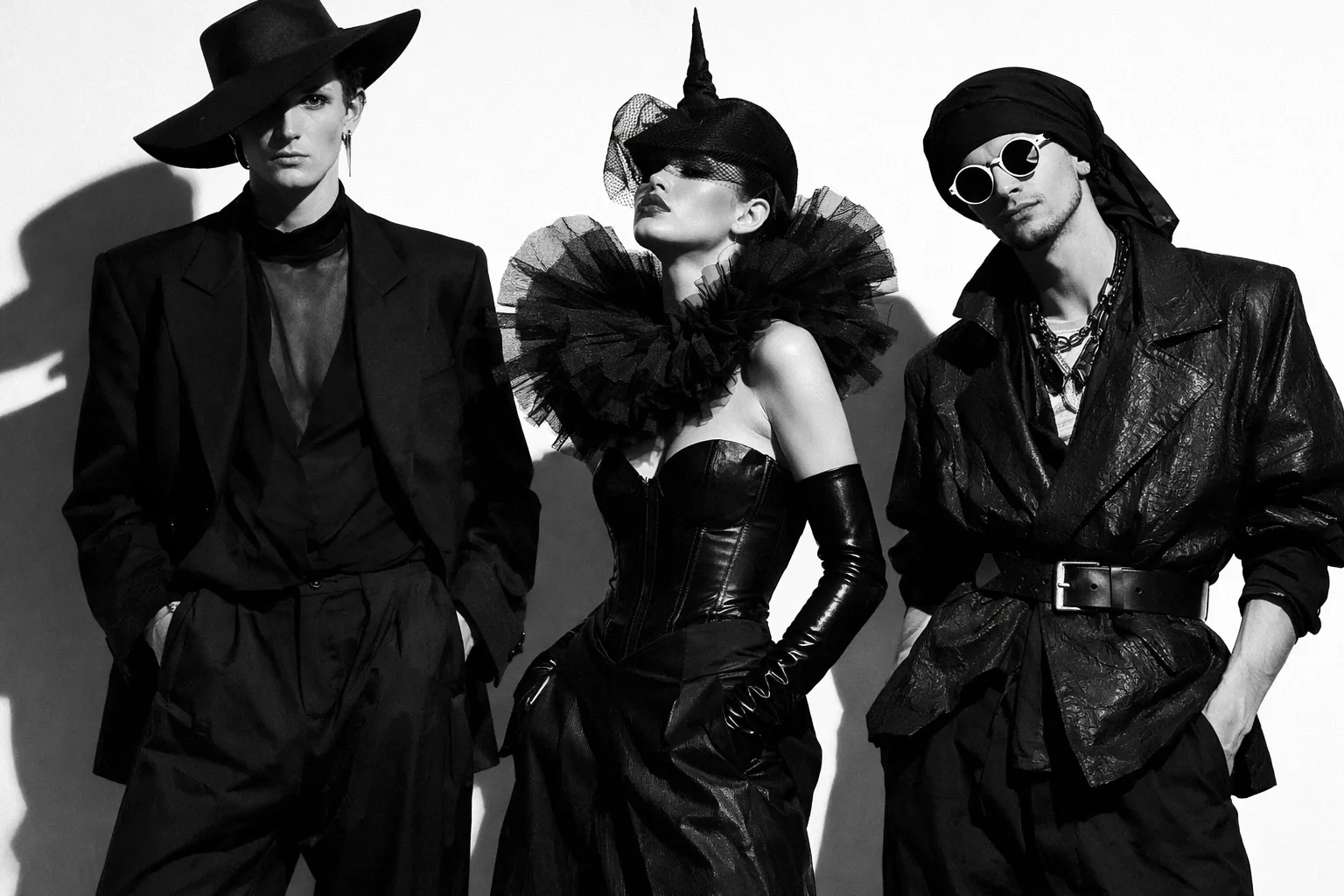
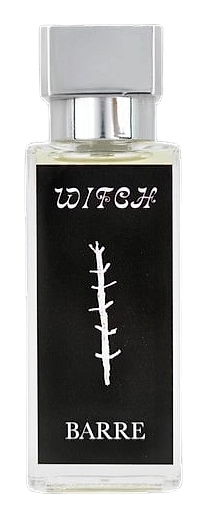
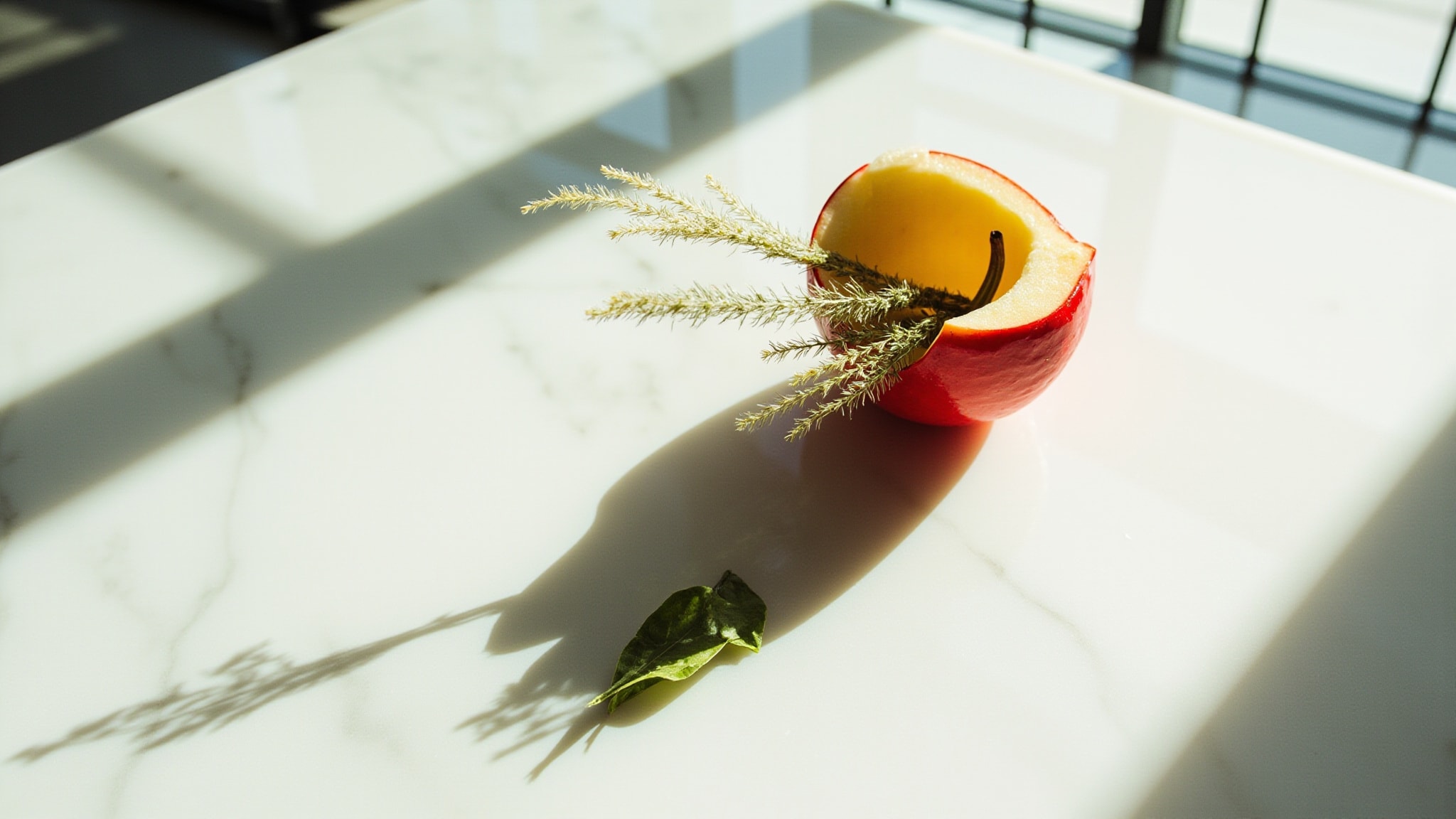
Witch takes its name from a word that means something different depending on who says it and why. The scent itself follows that logic. Candy apple meets dark forest, wormwood meets black frankincense. Sweetness front-loaded, then something stranger takes over. That's the idea, the name invites, the fragrance delivers something the name didn't fully prepare you for. Witch stands as an invitation to reconsider what a fragrance can say beyond its notes, a word chosen to unsettle expectations and spark curiosity before the bottle is even opened.
The material tension in Witch is the real story. Candy apple shouldn't smell like a child's birthday, it needs an edge, something that makes the sweetness feel slightly suspect. That's where absinthe wormwood enters. The absinthe note brings a sharp, green clarity that cuts through sweetness like a blade through gauze. It doesn't overpower, it clarifies. Tuberose absolute brings its own complications: lush, almost overpowering floralcy that can tip into indolic territory, yet here it remains grounded within the forest accord, its creaminess tempered by dark green undertones. Black frankincense functions as the structural anchor, dark, slightly tarry, resinous, giving the composition its spine.
The evolution
The opening arrives bright and immediately memorable. Candy apple, lacquered, almost candied, hits first, sweet enough to catch attention. Within minutes, the absinthe wormwood arrives to complicate things. The green, bitter clarity cuts through the sweetness, pulling the composition toward something more herbal and less innocent. The handoff isn't gentle. By the heart phase, wild herbs and the wormwood's full green character take over. The sweetness retreats. What remains is aromatic, slightly feral, the smell of something gathered from damp ground rather than shelf-assembled. The transition from candy to forest happens faster than expected, the absinthe doesn't wait. By the drydown, black frankincense has settled in, dark and sacred. The kind of resin that makes you lean in rather than pull back.
Cultural impact
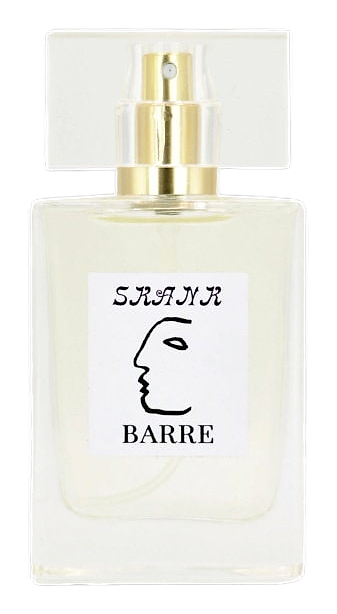
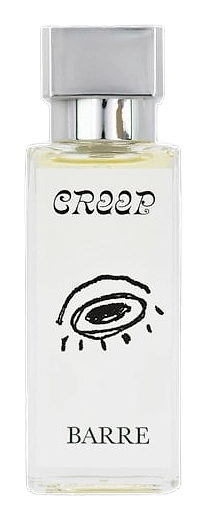
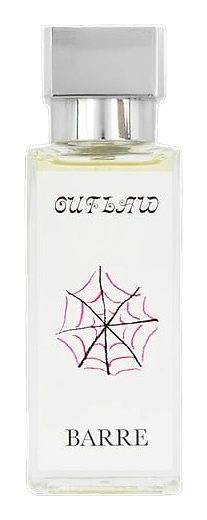
Witch arrives alongside names like Outlaw, Creep, and Skank, each one challenging conventional fragrance vocabulary. These names invite curiosity and conversation, positioning scent as something to be considered rather than simply worn. Witch embodies this approach, offering a fragrance experience that shifts from sweet to strange, inviting wearers into a world where familiar notes give way to something darker and more complex. Those who connect with it find in Witch a fragrance that refuses to stay predictable, evolving on the skin into something that lingers in memory long after the first spray.
The House
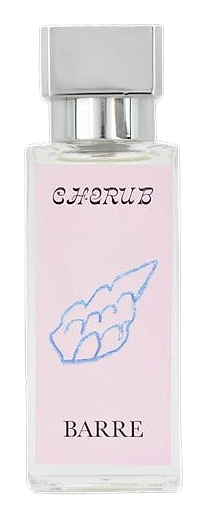
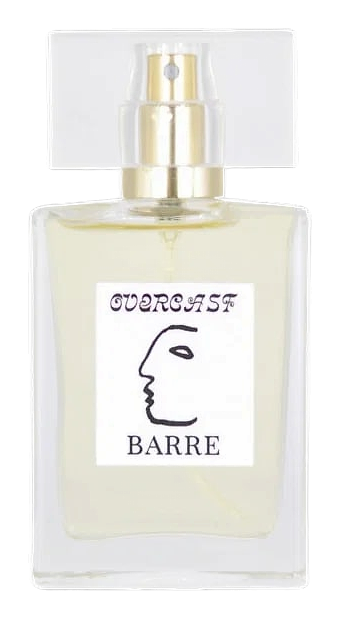
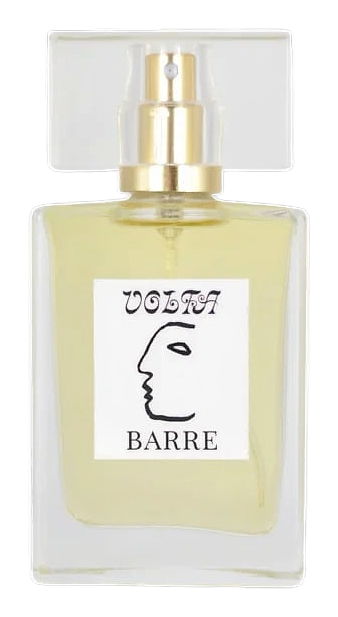
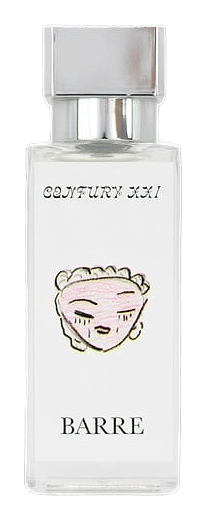
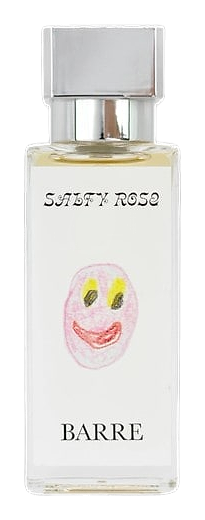
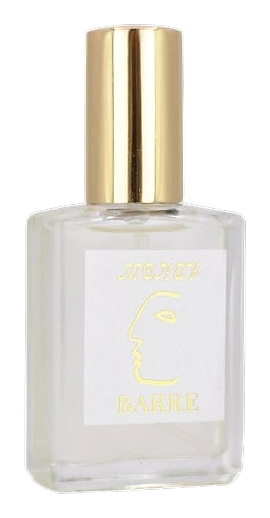
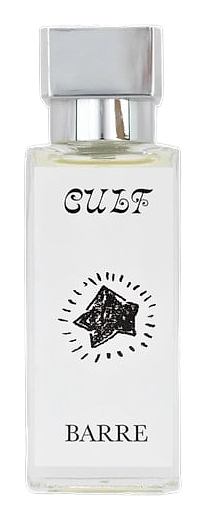
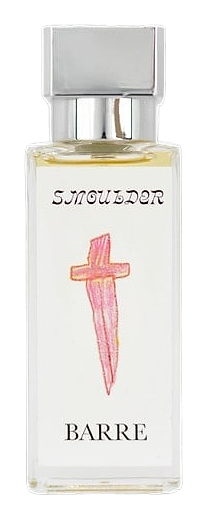
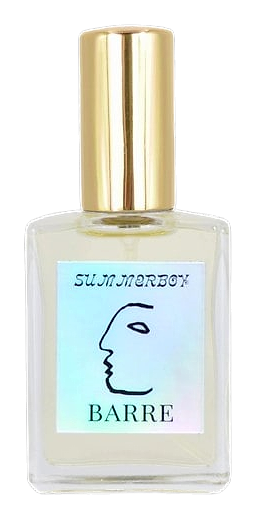
BARREBARRE is a collection of fine fragrances created by visual artist Bree Hyland, produced in her rural Nova Scotia studio. The brand was founded in 2015 and crafts small-batch, genderless scents, with each release carrying a name that reads less like a conventional fragrance label and more like an editorial provocation. The studio location in rural Nova Scotia is uncommon among niche perfumers, most of whom operate from major cities or established fragrance capitals. BARRE has released roughly a dozen scents since its founding, including Outlaw, Volta, Smoulder, Century XXI, Cult, Salty Rose, Creep, Cherub, and Skank.
The Creator
Bree HylandHyland's fragrances carry the weight of the landscape around her. Reviewers consistently note earthy, mossy, peaty qualities with a damp forest character that feels place-specific rather than generic.