The Story
Why it exists.
The beginning
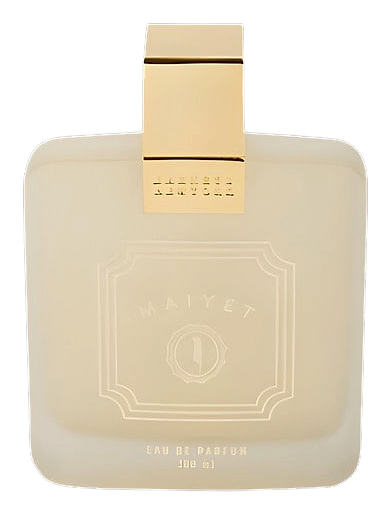
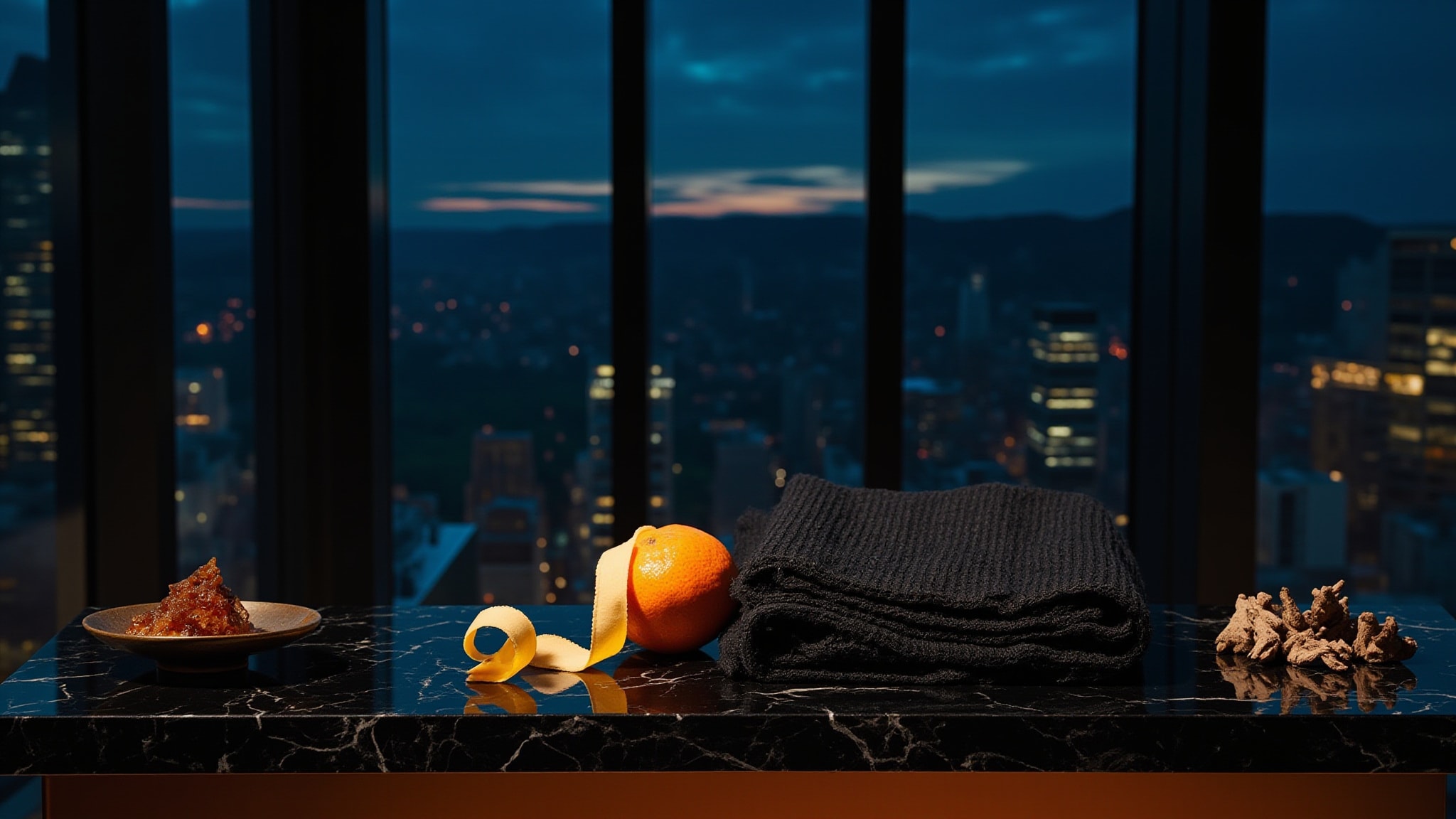
Maiyet landed on Barneys shelves in 2014, a collaboration that brought a fashion label's perspective into the fragrance conversation. Ralf Schwieger composed the scent, and the result draws on raw materials with clear geographic origins: Namibian myrrh, Indian sandalwood, Indonesian patchouli, and Italian bergamot. The composition reads less like a fashion fragrance and more like a map drawn in scent, with each note marking a coordinate drawn from a different region of the world. Barneys framed it as a curatorial gesture, letting the collaborator's vision lead and the retailer provide the context.
What's interesting is what didn't make the cut. This composition goes the other direction, anchoring jasmine in myrrh and sandalwood from the start, so the jasmine reads waxy and alive rather than airy. The use of Jasminum auriculatum signals an unconventional choice in the jasmine category, a species that carries more density and presence than the standard sambac used in most commercial perfumery. The myrrh isn't a background hum, either. It sits forward in the heart, green and resinous, giving the composition a slight medicinal edge that keeps any sweetness in check.
The evolution
The first ten minutes belong to the bergamot, bright and slightly bitter, the way Italian bergamot smells when you zest the rind. Jasminum auriculatum shows up early, too, unannounced, sitting underneath the citrus like a rumor. The two don't blend so much as occupy the same space uncomfortably, and that tension is the opening. The myrrh makes its presence known quickly. It takes over, green and resinous, and the jasmine absorbs it, turns deeper and more animalic. Patchouli leaf appears in the transition, adding an earthy bitterness that makes the whole thing feel grounded. Eventually, the sandalwood settles into the myrrh and the fragrance reads warm, dry, and a little secretive. The base, Indian sandalwood layered over Indonesian patchouli, is where this fragrance lives.
Cultural impact
This sits in an interesting space: a Barneys collaboration from a specific era of the store's history. Wearers tend to describe it in terms of discovery rather than performance, the kind of scent that rewards attention rather than announces itself across a room. It wears close, reads warm, and the jasmine-myrrh combination marks it as more complex than the typical department store collaboration. The composition holds up well in the current fragrance landscape, where resinous and incense-driven scents have gained wider appreciation.
The House
Barneys New YorkBarneys New York operated as a premier American luxury department store with deep roots in New York's retail landscape. The brand established itself as a fragrance destination through curated collaborations with designers and artists, producing limited-edition scents under the Barneys name starting in 1986. Rather than maintaining its own perfumery, the company partnered with creative talents across fashion and art to interpret fragrance through their respective lenses. This collaborative model positioned Barneys as a platform for fragrance discovery, introducing customers to emerging and established names through exclusive releases. The brand closed its retail operations in 2020 following bankruptcy, but its fragrance legacy lives on through the limited-edition bottles collectors still seek out. For its 100th anniversary in 2023, Barneys New York Beauty debuted its first-ever proprietary fragrance collection, marking a new chapter as a standalone fragrance brand.
The Creator
Ralf SchwiegerSchwieger's signature leans toward complexity with an airy, almost fragile quality. He gravitates toward violet-rose accords, aldehydic facets reminiscent of classic elegance, and animalic undertones that add depth without heaviness.