
The Story
Why it exists.
The beginning
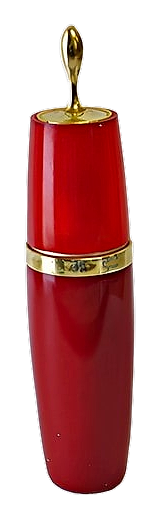
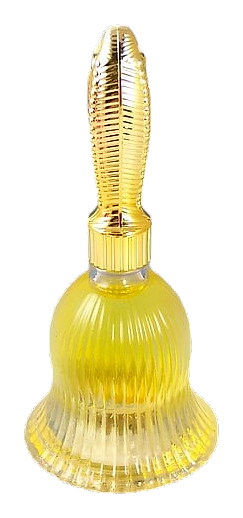
Régence arrived in 1966, taking its name from the French Regency, a period of refined elegance and quiet excess. The perfumer behind it understood something: luxury shouldn't require a special occasion. Avon had built its empire on door-to-door access since 1886, and Régence was the continuation of that promise. Not a statement fragrance. A presence fragrance. Something that made aldehydic florals feel like something you could reach for on a Tuesday and still feel extraordinary wearing.
What makes Régence interesting isn't a single standout note, it's the architecture. Rose de mai carries the heart, but the aldehydes are the scaffolding. They give the rose a waxy, luminous quality that most modern florals have quietly abandoned. The jasmine doesn't compete with the rose; it softens it, makes it approachable. And underneath, precious woods keep everything grounded, prevent the whole composition from becoming too precious. Ionone adds a violet undertone that reads as powder long after the top notes fade. It's a formula from a time when perfumers built scents to last, not to trend.
The evolution
The aldehydes announce themselves first, aggressively bright, slightly metallic, the kind of opening that grabs attention in the best possible way. Within minutes, rose de mai pushes through, soap-clean and feminine, the jasmine threading alongside it. The aldehydes don't disappear. They settle. Become a warmth instead of a shout. The heart holds for two to three hours, powdery and close, the violet ionone doing quiet work you don't notice until it's gone. Woods arrive last, dry, soft, intimate. They stay. Régence doesn't roar. It lingers. On fabric, expect the powder to live until the next wash. On skin, count on four to six hours of something that smells like the idea of elegance, not the performance of it.
Cultural impact
Avon revolutionized how middle-class women accessed luxury perfumery, and Régence exemplifies that mission at its peak. Released in 1966, this aldehydic rose brought the grandeur of Parisian perfumery into American homes through Avon's famous door-to-door model. By this era, aldehydic roses had become synonymous with feminine sophistication, think Chanel No. 5 and its contemporaries, but Régence democratized that aesthetic. Where haute couture cost a fortune, an Avon representative brought comparable elegance for a fraction of the price. The fragrance captured the cultural moment when vintage glamour became attainable for everyday women, not just the wealthy elite.