The Story
Why it exists.
The beginning
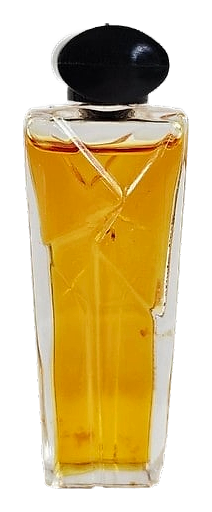
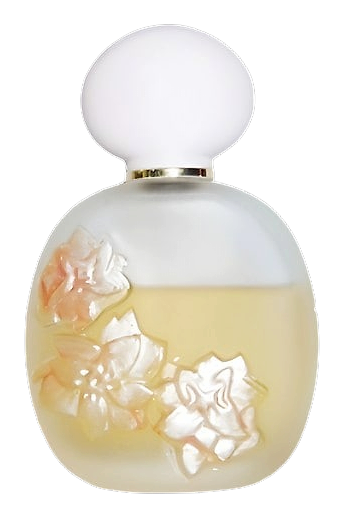
Ophelia arrived in 1985, named for Shakespeare's tragic heroine, a woman suspended between beauty and sorrow, perpetually on the verge of floating away. The name alone tells you what Avon intended: something delicate, poetic, and just slightly melancholy. Not a fragrance that storms into a room. One that drifts through it, leaving a trail of questions behind. There is something literary about the concept from the start, as if Avon wanted wearers to understand they were stepping into a narrative rather than simply applying a scent. The fluted bottle, clear as morning glass, holds liquid that catches light in the same way that the name itself catches the imagination, inviting interpretation before the first spray.
What makes Ophelia unusual in the 1985 landscape is its restraint. The decade favored bold statements, loud florals, aggressive chypres, sillage that announced your arrival before you reached the door. Ophelia chose the opposite. Its powdery-floral character unfolds gently, each layer arriving like a brushstroke on wet paper rather than a drumbeat. The hyacinth is the tell, green, aquatic, slightly soapy, pulling the rose and jasmine toward something airier than their usual richness. And that ghost of frankincense in the heart? A smoky whisper that prevents the florals from becoming saccharine. It's a composition built for people who want a fragrance to feel like a secret, not a statement.
The evolution
The opening is hyacinth's domain. That green-soapy-fresh quality arrives first, lifting the top notes skyward before they can settle. Rose and blackcurrant follow, the rose soft, the blackcurrant barely a tart whisper beneath. By the heart phase, jasmine and neroli take their turn, but it's the frankincense that adds intrigue: a smoky, slightly medicinal thread woven through the sweetness. Not loud. Just present. As the florals begin to fade, the opoponax emerges, warm, powdery, sweet in the way that makes you lean closer. The musk follows, close and intimate, holding everything against the skin. The drydown is powdery warmth without weight, a presence that never fills a room, only the air immediately around you.
Cultural impact
Ophelia belongs to a moment in fragrance history when soft, powdery florals filled the mainstream market. What sets it apart is that unexpected smoky undertone from frankincense, threading through the florals like a pencil sketch beneath a watercolor. It's the kind of composition that rewards attention, revealing new facets with each wear. For those who find modern florals too aggressive, Ophelia offers something gentler, a reminder that restraint can be its own form of sophistication. The powdery florals that defined that period have their own quiet appeal, and this fragrance embodies that aesthetic while adding something distinctive.