The Story
Why it exists.
The beginning
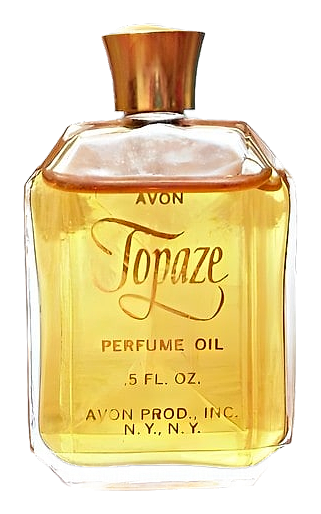
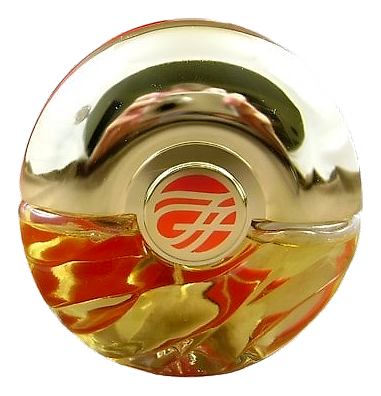
Foxfire arrived in 1980, when Avon's fragrance catalog read like a masterclass in distinctive scent-making. The name itself is borrowed from a real phenomenon: foxfire is the faint bioluminescent glow that appears on rotting wood in Southern swamps at night. That eerie, phosphorescent quality, light from decay, green from darkness, makes for compelling poetry. But Foxfire the fragrance chose a different path entirely. The name promises firelight. The scent delivers an awakening instead. Hyacinth, green notes, rose, jasmine. A spring manifesto written in the language of an autumn name.
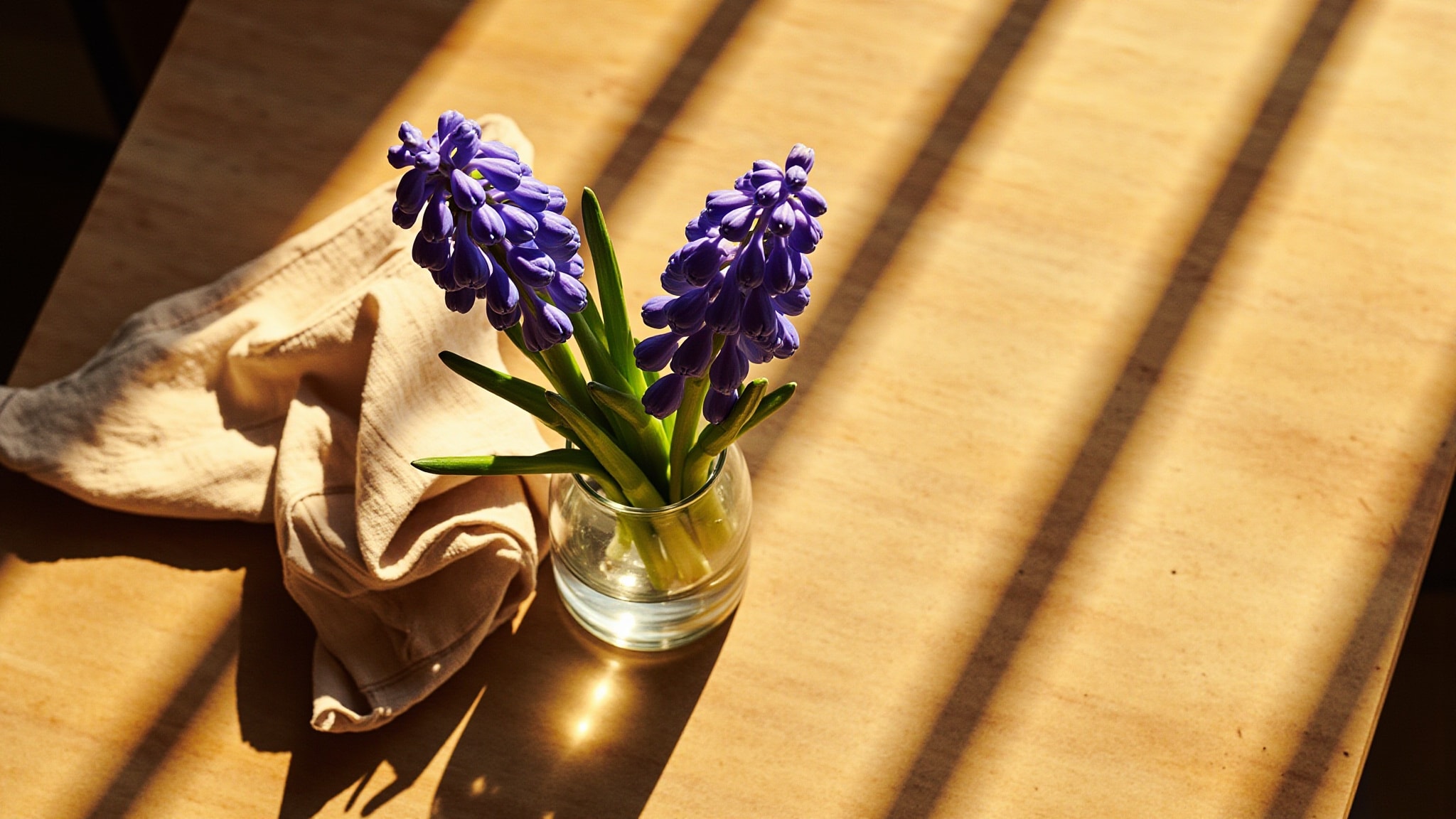
Foxfire stands apart from the celebrity fragrances flooding the market around 1980, or the powdery aldehydics defining that decade's close. This was Avon pushing into green-floral territory with real conviction. Hyacinth leads the charge, its characteristic soapy-lily brightness arrives first and refuses to apologize. Rose and jasmine follow in full bloom, creating the kind of green-floral structure that takes skill to balance. The result is a fragrance that smells like the first rhododendrons opening in mid-May, not like anything else with fox in the name. Avon didn't play it safe with Foxfire. That's what makes it worth knowing.
The evolution
Foxfire opens immediately, no hesitation, no slow build. Galbanum's green bitterness announces itself first, sharp and almost astringent, like biting into a raw green pepper. Within seconds hyacinth joins, and together they create something clean but intense, morning dew on a garden path, not the fresh linen you'd expect from the aldehydes. The transition into the heart begins around the 10-minute mark. Jasmine arrives quietly, turning the brightness slightly animalic and sweet. Rose opens last, rounding the edges and softening what came before. By 30 minutes, you're in the full heart: hyacinth, rose, and jasmine locked together, green still present but domesticated. This middle phase lasts 2-3 hours on most skin, a lush, powdery floral that projects softly. The drydown arrives around hour 3-4. Florals fade to skin level. Moss and oakmoss take over, slightly earthy, faintly animalic from the civet, dry and grounded. This is where the foxfire metaphor finally makes sense: the glow that seemed to come from nowhere was always coming from beneath.
Cultural impact
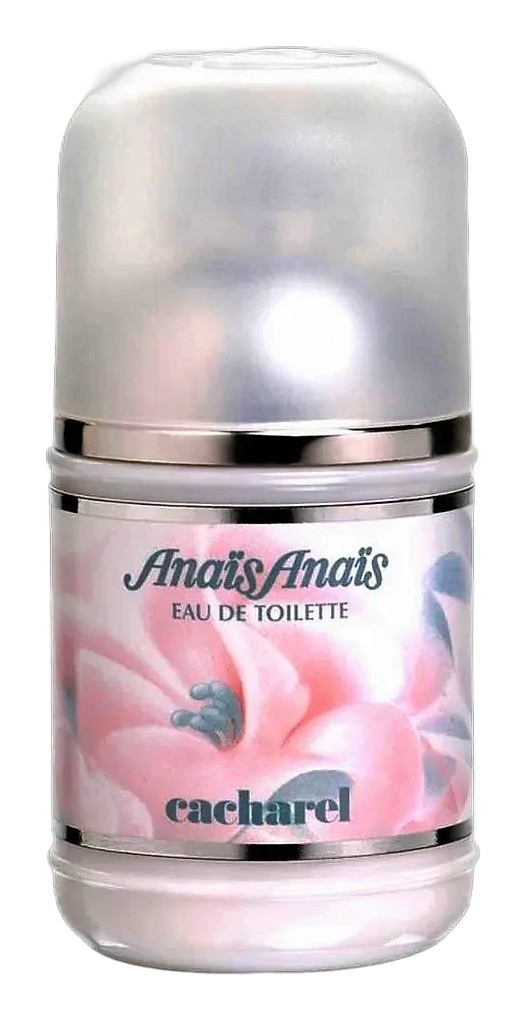
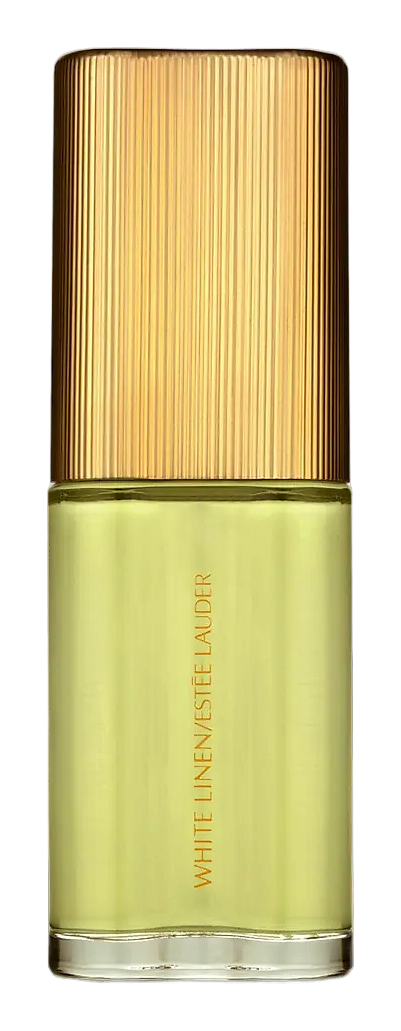
Foxfire belongs to a specific Avon moment: pre-Natura acquisition, when the brand was building its fragrance legacy through accessible green florals and powdery aldehydic compositions. The 1980s saw Avon competing with department-store brands through character and value rather than celebrity endorsement. Foxfire stands out from that catalog precisely because it doesn't apologize for its green intensity. It's the kind of scent a woman chose when she wanted to be noticed without announcing herself, already in the room, already remembered. Among the green-floral companions of its era (Cacharel Anais Anais, Estée Lauder White Linen), Foxfire held its own. More accessible in price. Just as distinctive in character.