
The Story
Why it exists.
The beginning
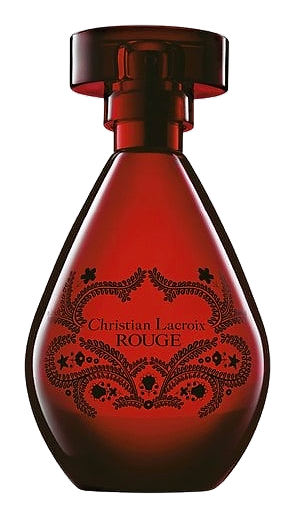
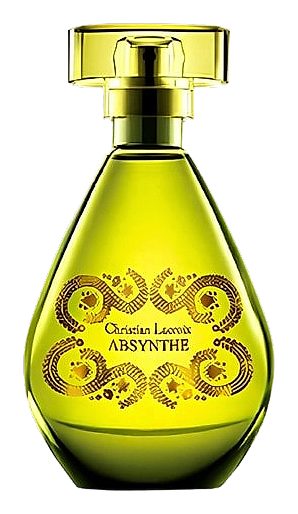
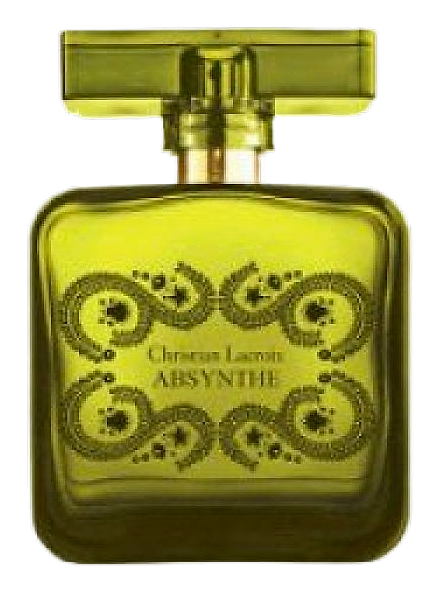
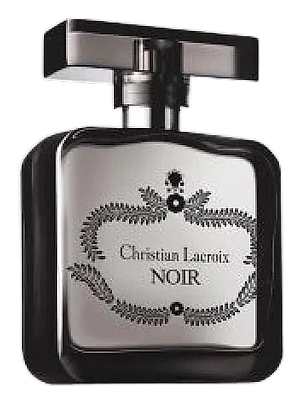
Christian Lacroix Noir arrived in 2007 through a collaboration between Avon and the French fashion house founded by the designer known for opulent color and theatrical silhouettes. Perfumer Yves Cassar built the fragrance around a core tension: refinement with something rougher underneath. Avon, which began selling scented products in 1886 through a pioneering female sales force that brought fragrance directly to customers' homes, provided the accessible pipeline for Lacroix's couture sensibility to reach a wider audience. The brand's philosophy of making fragrance personal rather than transactional shaped how this scent was constructed, designed to feel intimate rather than intimidating.
The note structure reflects the brand's accessibility-first philosophy while honoring the fashion house's sense of drama. Ginger and saffron create an opening that announces presence without demanding attention, a deliberate choice for a fragrance sold through door-to-door consultation rather than department store counters. Cardamom and iris provide the middle ground that makes the scent versatile enough for daily wear while still offering enough complexity to reward attention. The woody, earthy drydown ensures longevity without the opulence that might feel out of place in an intimate setting.
The evolution
The fragrance moves from a sharp, almost aggressive opening into something more nuanced. Ginger provides immediate impact, its fresh heat grabbing attention before saffron adds depth with its characteristic dryness. As the top notes fade, cardamom emerges as the heart note, its green-spice quality bridging the gap between the opening and what follows. Iris arrives to soften the cardamom, adding powdery elegance that signals the transition to the base. Cedarwood and driftwood then establish a woody foundation that feels both refined and grounded, while musk and vetiver ensure the scent stays close to the skin for hours after application.
Cultural impact
Christian Lacroix Noir quickly became a cultural touchstone within the niche perfume community, celebrated for its daring blend of ginger, saffron, and lico rice that defied conventional sweet‑spicy expectations. The fragrance sparked lively discussions on social media platforms, where collectors praised its ability to evoke memories of late‑night street markets and exotic spice stalls. Its bold character inspired a wave of indie houses to experiment with similarly unconventional accords, expanding the palette of modern perfumery. Over time, the scent earned a place in seasonal runway shows, where stylists used its warm, spicy aura to complement avant‑garde collections, reinforcing the idea that fragrance can be an integral part of visual storytelling.