
The Story
Why it exists.
The beginning
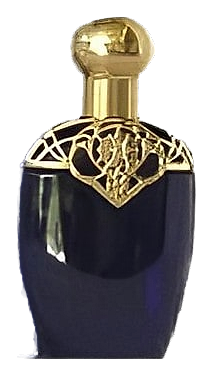
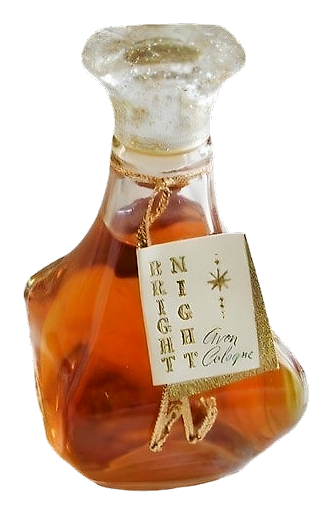
Bright Night arrived in 1954, a moment when American perfumery was shifting from delicate florals toward something bolder. Post-war abundance had opened a appetite for richness, depth, and presence, and Avon, with its door-to-door reach, was translating that appetite into bottles that women actually bought. Bright Night wasn't Avon's quietest release. It was its most assertive.
The note structure is what makes it unusual: aldehydes, more common in masculine compositions of that era, meet smoky resins and animalic warmth, then get softened by peach. It's a bridge between the bold oriental trend of the 1950s and something slightly more feminine, slightly more wearable. The aldehydes give it sparkle and lift. The smoke gives it gravity. The peach keeps it from becoming a caricature. For 1954, that's a sophisticated balancing act.
The evolution
The aldehydes arrive first, sharp, bright, almost metallic. Cold air on warm skin. Then the cinnamon kicks in, a clean heat that lasts longer than you expect. By the second hour, the aldehydes recede and the incense takes over, joined by amber and resin. The peach is quiet throughout, doing the actual work of making smoke smell edible rather than punishing. By hour four, the drydown settles close, resins, the ghost of benzoin, a faint sweetness that lingers on fabric and skin. Eight hours later, some wearers still catch traces. This cologne doesn't know when to leave.
Cultural impact
Bright Night is one of the stronger orientals in Avon's catalog, a 1954 release that traded the brand's usual approachability for real presence. The smoky, animalic character stood apart from Avon's floral mainstream. Wearers either found it captivating or overwhelming, but no one called it forgettable. For a brand built on accessibility, it was a quiet act of ambition.