The Story
Why it exists.
The beginning
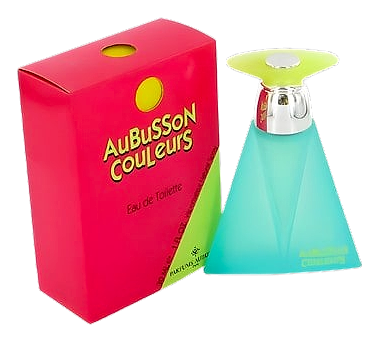
Aubusson built its name on textile art, tapestries that took months to weave, patterns that rewards patience over spectacle. In 1997, the house turned that philosophy toward scent. The brief was simple: capture the idea of color itself, translated into something you could wear. Couleurs, colors, became the subject. Jasmine brought boldness. Peach brought softness. Sandalwood brought warmth. The challenge was making them hold together, the way a single thread has no meaning until it's woven into the whole. The result is a fragrance that reads as one idea from first spray to last breath. No dramatic arc. No performance. Just a quiet, consistent presence that behaves less like a fragrance and more like an extension of the person wearing it, the kind of scent that feels like it was always there.
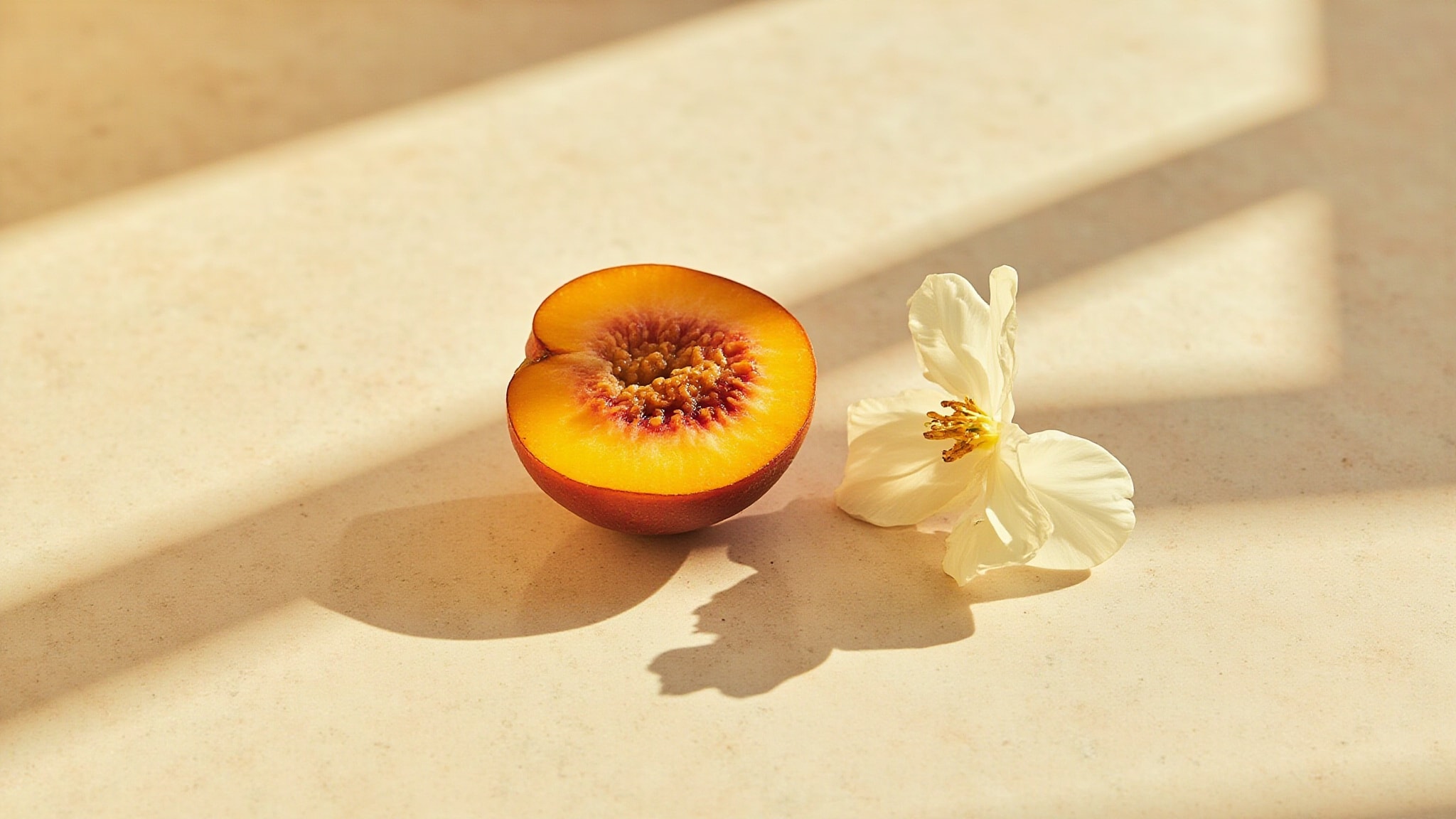
What makes Couleurs unusual isn't a single standout note. It's the way the same ingredients appear across every layer of the pyramid, jasmine, peach, pear in the top, jasmine, peach, pear, sandalwood in the heart, sandalwood in the base, and still manage to feel different each time you catch them. The peach in the opening is bright, almost overripe. The jasmine arrives clean and pushes through. Sandalwood doesn't compete, it settles underneath everything, adding cream without weight. There's a restraint here that many 1990s florals didn't bother with. No heavy aldehydes. No loud drydowns. The warmth of sandalwood is the loudest thing this fragrance does, and it still registers as quiet.
The evolution
The opening is soft and immediate, jasmine first, then the peach and pear arriving together like fruit in a bowl. The pear disappears fastest, leaving peach and jasmine to carry the next phase. Sandalwood announces itself within twenty minutes, not as a replacement but as a foundation, making the fruit and floral feel warmer and more grounded than they started. By the second hour, the composition has settled into something cohesive and familiar. The jasmine is still there, but it's less assertive, it smells like memory of jasmine, not jasmine in bloom. The sandalwood is the real storyteller here: creamy, quiet, almost powdery. This is where most wearers find the fragrance most appealing, the moment when everything simplifies into one warm, close impression. The drydown is what separates Couleurs from fragrances with shorter arcs. Sandalwood persists longest, the creamy, quiet foundation that outlasts everything. What arrives as a fresh fruit cocktail slowly becomes a worn cotton shirt, sun-warmed and familiar.
Cultural impact
Couleurs arrived in 1997, a year when mainstream perfumery favored bold projections and dramatic drydowns. It offered something different: a composition that whispered. The fragrance found its audience among wearers who preferred their scent to be felt rather than announced, the kind of person who chooses once and wears it for years. It occupies similar territory to quieter French florals from the same era, though its specific peach-jasmine-sandalwood structure gives it a character distinct from its peers. Today it appeals to collectors who measure elegance in decades rather than seasons.