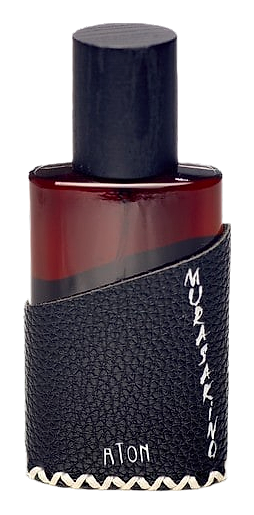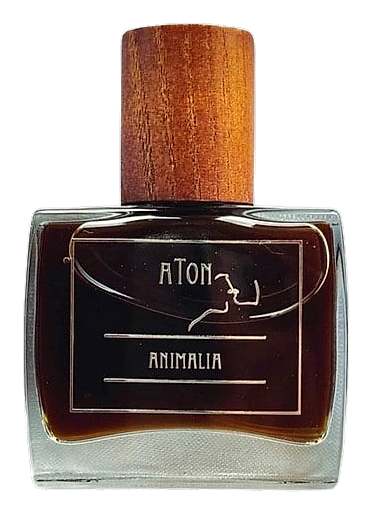
The Story
Why it exists.
The beginning
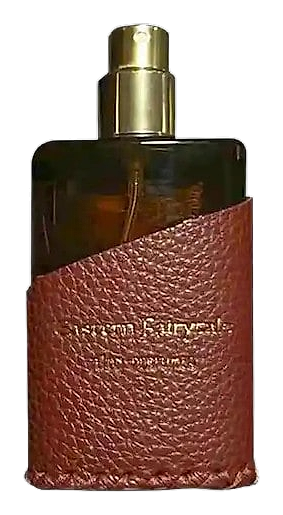
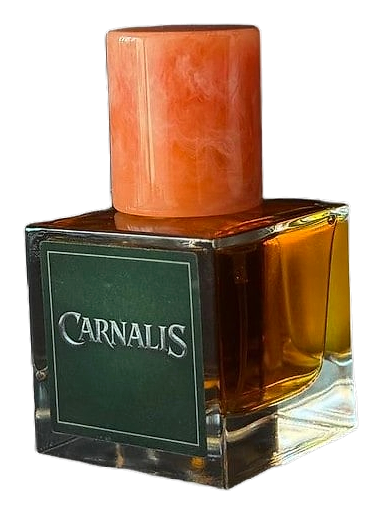
Carnalis arrived in 2026 from the studio of Aton Gerasimov. The name points straight at the idea: flesh, body, the animal underneath the polish. Inside the bottle, Malayan oud, civet, ambergris, and yuzu collide in a single breath, and the result is a deliberate meeting between something bright and clean and something that smells like it was alive recently. The composition refuses to soften its materials. Citrus opens with a sharp, bitter edge, then civet steps forward early, carrying a dirty, salty musk that most compositions treat as a finishing touch rather than a load-bearing element. Ambergris throws in a saline, mineral quality that catches light off the yuzu's brightness, and the oud grounds everything with its resinous density. The overall effect is raw, textured, and direct.
What's unusual here is the structure. Carnalis puts the dirty, salty musk of civet on equal footing with yuzu, a fruit known for its bitter brightness. Add Malayan oud, which carries its own resinous weight, and ambergris for that salty-mineral lift, and you've got four materials that carry serious presence. The composition holds them together through iris and neroli on the brighter end, and fir balsam plus clove on the darker.
The evolution
The first spray hits with a bright, sharp combination of yuzu and neroli, almost bitter on the initial impact, with the cool green edge of fir balsam lurking just behind. Almost immediately, civet and ambergris begin warming the opening, giving it a saline, lived-in quality before the spices even register. The citrus stays present but starts losing its acidic edge within minutes, softening as the civet's musk wraps around it. As the composition settles, clove and saffron move in alongside the iris, and the whole accord stops sparkling and starts to glow instead. The resinous weight of Malayan oud rises during the mid-phase, dense and slightly medicinal, layered over the clove's dry heat. Fir balsam keeps contributing a green cold that prevents the warmth from becoming heavy, and the iris continues to powder things over without flattening the texture.
Cultural impact
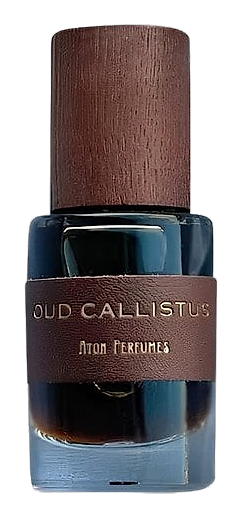
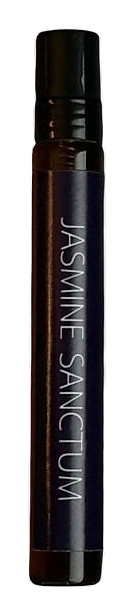
Carnalis arrives as one of the more overtly animalic compositions in ATon's catalogue, built around a civet-ambergris axis that doesn't shy away from rough textures. The fragrance pairs that animalic core with a yuzu opening, a combination that places it firmly outside the safer territory of crowd-pleasing releases. Within ATon's own lineup, Carnalis shares release context with Jasmine Sanctum, and sits among several oud-named compositions including Oud Callistus. The use of fir balsam alongside civet and oud points to a house comfortable with green, coniferous materials as structural elements rather than decorative accents.
The House
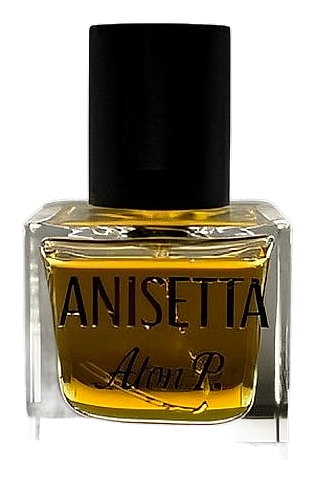
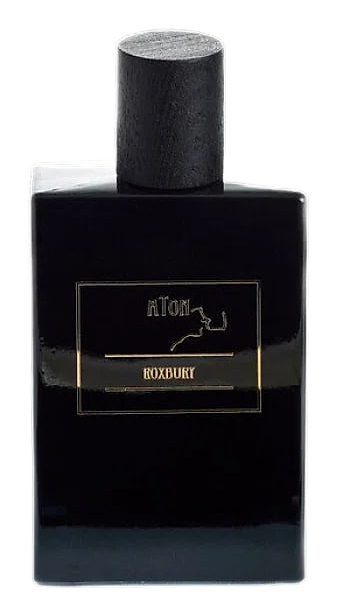
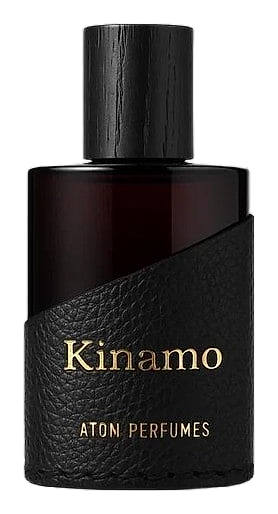
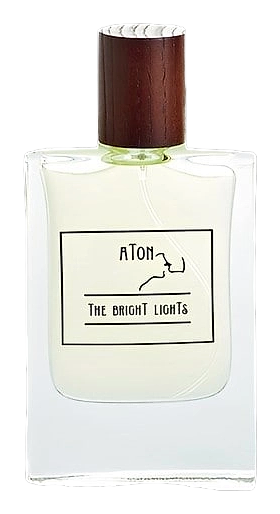
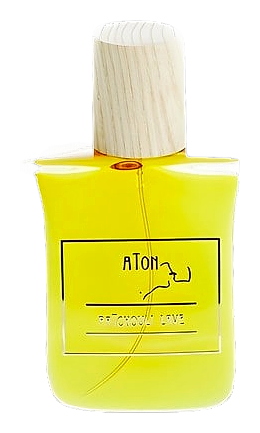
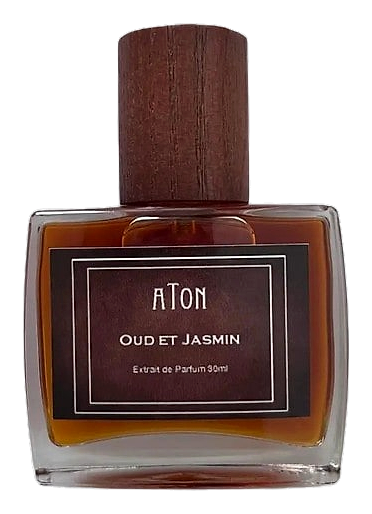
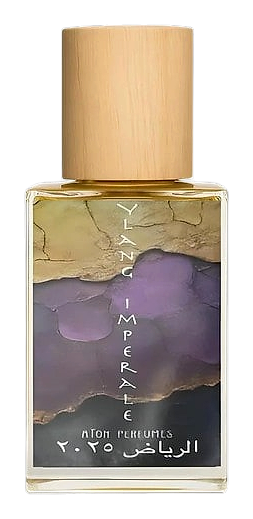
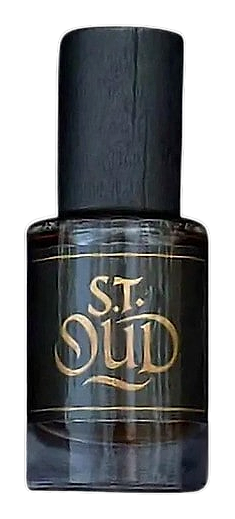
ATonATon Perfumes positions itself as an artisanal niche house that translates raw natural materials into layered scent stories. Founded by Anton Gerasimov, the brand debuted a trio of compositions in 2022 and has since expanded its catalogue with oud‑centric releases such as Oud Callistus (2024) and S.T. Oud (2025). Each fragrance is presented in a restrained bottle that lets the aroma speak for itself, while the brand maintains a modest footprint through limited‑batch production and selective retail partnerships across Europe and Africa.
The Creator
Aton GerasimovGerasimov’s technique leans on precise extraction and controlled evaporation. He favors rice grain distillates, cold‑pressed vanilla, and sustainably sourced white musk, often pairing them with subtle citrus sparks.