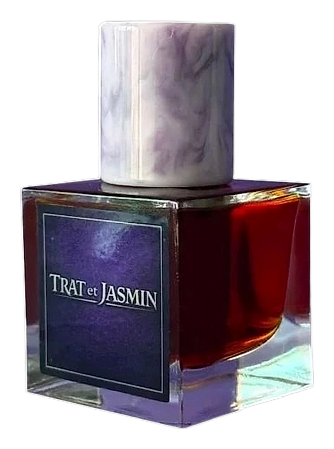
The Story
Why it exists.
The beginning
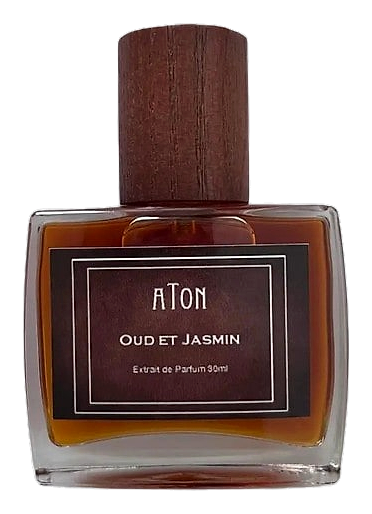
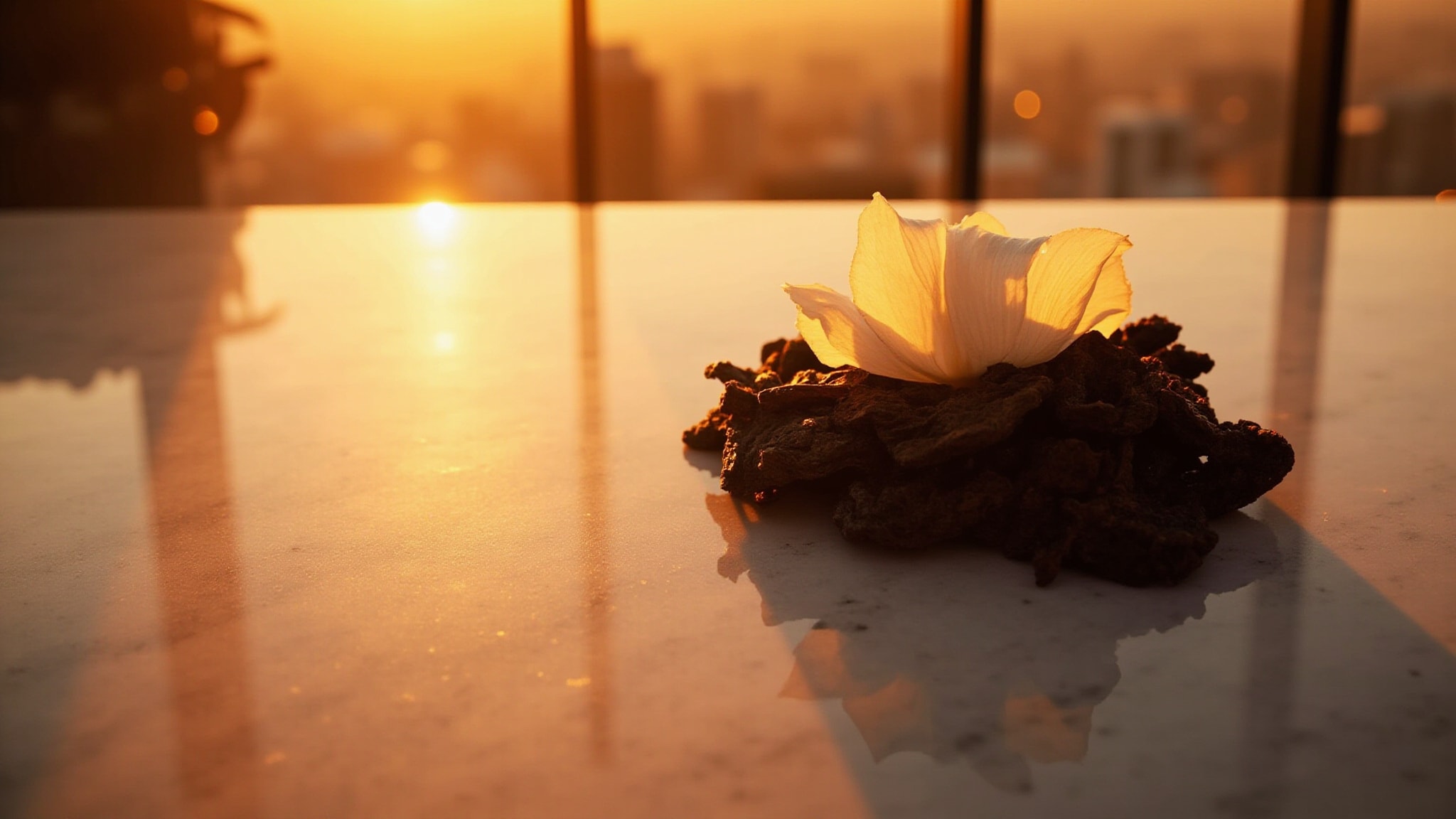
Oud et Jasmin began with a question: what happens when you remove every safety net from a composition? The premise was radical reduction, a fragrance built from only four materials, nothing added to smooth transitions or soften edges. No dilution. No shortcuts. Jasmine, white oud, cardamom, nutmeg. The simplest possible framework for the most direct possible statement. Each material would need to carry more weight than it typically does in a fuller composition, with nothing to hide behind and no supporting players to compensate for any material's shortcomings. Every choice had to be deliberate, every ratio precise, because the absence of structural elements means nothing can be left to chance. The four notes would need to form something coherent on their own, or fail together.
What makes this structure unusual is what it leaves out. The formula commits entirely to its internal tension. Jasmine is bright and insistent; white oud is dark and smoky. Cardamom brings warmth; nutmeg adds a quiet heat that builds slowly. The paradox is the point. These four materials occupy different sensory territories, one floral and radiant, two warm and aromatic, one resinous and dark, and the question was whether they could coexist coherently. In many compositions, that much contrast would create fragmentation, notes pulling in separate directions.
The evolution
The opening arrives without ceremony. Jasmine dominates immediately, but it's not the polite jasmine of mainstream florals, it's indolic, slightly animalic, almost confrontational in its whiteness. Within minutes, the oud threads through. Not aggressive smoke, but a dark, resinous warmth that grounds the floral without subduing it. Cardamom and nutmeg arrive together, warm and aromatic, wrapping around the jasmine-oud core like hands clasped in the dark. By hour two, the jasmine has softened, not disappeared, but settled into the composition like someone who's said their piece and is now listening. The drydown is where Oud et Jasmin earns its name. The oud persists, smoke and resin, while the floral retreats to a whisper. There remains a quiet warmth that stays close to skin, the spices lingering in the base while the brighter elements fade.
Cultural impact
Oud et Jasmin occupies an interesting position within the niche oud-floral category. The four-note structure presents jasmine as the primary voice rather than a supporting element, shifting the typical dynamic between these two materials. Wearers describe it as the fragrance of someone who doesn't need to announce themselves, quiet confidence, not quiet scent. The composition stakes out its own territory rather than positioning itself in relation to other houses or movements within the niche space. What stands out is the willingness to let contrasts remain contrasts, refusing to smooth over the tension between bright floral and dark oud.