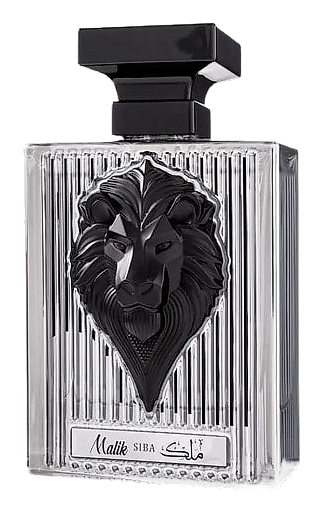

The Story
Why it exists.
The beginning
Malik Siba arrives from Assala Prime in 2026, a house with ties to Morocco's perfume-making tradition. The name carries quiet authority on its own. The composition follows suit. It does not announce itself as oriental fragrance in the louder, smoke-and-oud sense. Instead it pulls toward the powdery, the floral, the quietly balsamic. The opening carries a cosmetic softness, the kind that suggests face powder and clean skin rather than aggressive projection. White florals settle into the heart, keeping the register luminous instead of heady or indolic. As the composition dries down, the base reveals warm balsam, woody notes, and an earthy undertone that anchors the whole structure without tipping into darkness.
What makes this composition unusual is the restraint it applies to a genre that often trades in maximalism. The powder notes in the opening suggest cosmetic softness rather than aggressive projection. White flowers in the heart keep things luminous instead of heady. The balsamic and woody base reads warm without becoming heavy, grounded in resinous and earthy textures rather than the darker oud territory that many regional launches gravitate toward. It's a composition that borrows oriental scaffolding, then pulls the volume down.
The evolution
The first 20 minutes are the softest statement. Powder and spice register first, a cool dustiness against the warmth underneath, almost cosmetic in its familiarity. The opening doesn't shout. It asks. Then something shifts around the 30-minute mark, the white florals arriving quietly, like someone opening a door into a room already occupied. There's no sharp transition, no moment of obvious change. The aromatic thread weaves between floral and slightly herbal, building a soft lattice of texture rather than a wall of presence. By hour two, the base asserts itself. Balsamic warmth rises underneath, woody notes settling into something that feels less like a fragrance and more like a temperature. The drydown through hours four and five gets quieter rather than disappearing. It tightens, pulling closer to skin, more intimate, more like the scent of a familiar room than a statement made in a crowd. The next morning, what's left is a thread of warm wood and faint sweetness, the ghost still attached to the wrist.
Cultural impact
Malik Siba lands in a crowded field of oriental launches, where competition between regional houses and international niche brands has sharpened the conversation around what restraint looks like in this category. Assala Prime built its identity around accessible oriental perfumery, framing its work as a contemporary interpretation rather than a museum piece. The composition itself refuses to chase the louder oud-and-saffron trends that dominate many regional releases, instead pulling toward powdery florals and a quieter balsamic drydown.