





Heritage
A house, in its own words
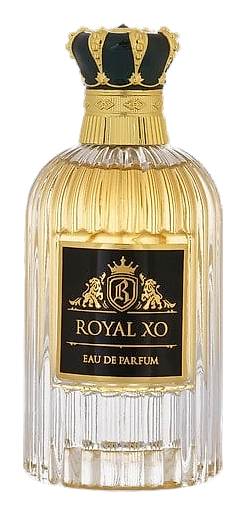
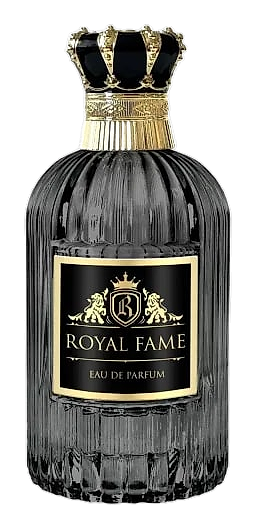
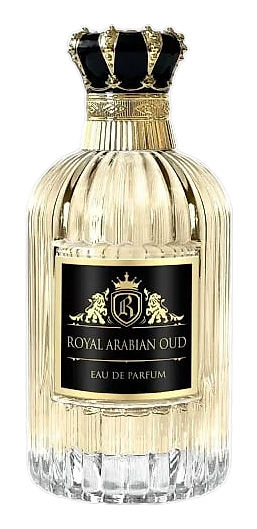
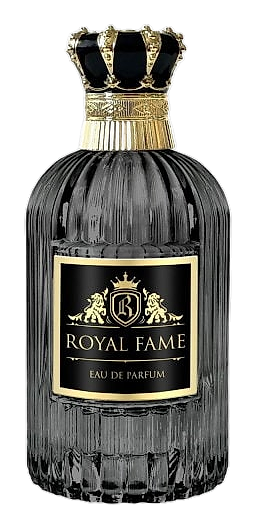
Assala Prime draws from Morocco's deep-rooted perfumery traditions, a country where fragrance culture has flourished for centuries along the historic trade corridors connecting North Africa to the Arabian Peninsula and beyond. Morocco's olfactory heritage includes the use of ingredients such as rose absolute from the Dades Valley, ambergris, oud oil, and musk, each carrying cultural significance in both ceremonial and daily contexts. The brand operates out of what appears to be the Marrakech region, based on social media activity and fragrance naming conventions referencing local landmarks and cultural touchstones. The specific founding year and founder identity remain undocumented in accessible third-party sources, which is not uncommon for independent fragrance houses that build audiences through social platforms rather than legacy distribution channels. North African perfumery has historically served as a bridge between European and Middle Eastern scent traditions, and Assala Prime occupies this intersection by working with oriental fragrance structures familiar to Gulf and Maghreb markets while adapting them for contemporary wearers. The use of oud, amber, and warm spice accords throughout the lineup reflects this geographic and cultural positioning. Marrakech in particular has long attracted perfume artisans,香料 traders, and fragrance enthusiasts, creating an ecosystem where brands like Assala Prime can emerge with reference to local sensory traditions. The brand's "Assala" nomenclature, which translates from Arabic to mean elegance or grace, signals an intentional connection to cultural identity as a core brand value. Assala Prime operates with a clear mission to bring oriental perfumery within reach of fragrance enthusiasts who may find traditional niche pricing prohibitive. Rather than positioning itself against heritage European houses, the brand builds its identity around accessibility and cultural authenticity, using fragrance compositions that draw from Arabian perfumery conventions without the exclusivity pricing structures of established luxury houses. The approach centers on layering familiar oriental materials, such as sandalwood, cardamom, and olibanum, in combinations designed to feel both recognizable and contemporary. This strategy reflects a broader shift in the fragrance industry where independent brands from non-Western markets are gaining visibility in global retail spaces. The brand's social media presence emphasizes the sensory experience of wearing fragrance, focusing on how specific accords evolve on the skin rather than on heritage prestige or perfumer celebrity. This democratic approach to scent extends to the naming conventions, with fragrances like Royal Fame, Royal Pure, and Royal Rose using regal terminology that signals aspiration rather than price exclusion. The house appears to value versatility across its range, offering both bold oud-forward compositions and lighter floral options that serve different occasions and preferences.