The Story
Why it exists.
The beginning
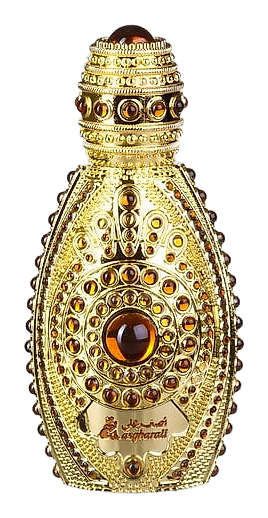
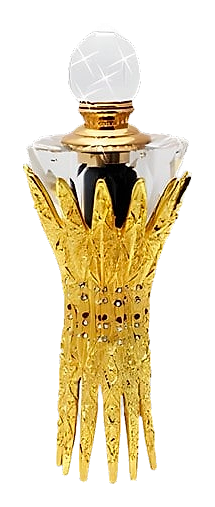
Mukhalat Al Raheeq Attar sits inside Asgharali's attar collection, a category the house has refined over generations of practice. The composition leans into oud and rose the way Arabian perfumery has for centuries, treating both as core materials rather than decorative additions. There is no attempt to translate the tradition for outside palates; the blend wears its heritage openly, built from materials that have anchored Gulf fragrance making for as long as anyone can remember. The attar format concentrates every drop, an oil-based construction where nothing is diluted or carried by alcohol, so what reaches skin is pure intent, unmediated and dense. You apply it sparingly and the oil does the rest, warming against the body and releasing its layers slowly.
What separates this mukhalat from many of its Gulf neighbours is the restraint. The oud is present but never shouts over the rose, and the amber underneath does the slow work of holding both together. Asgharali treats sandalwood as a structural element rather than a finish line, letting it anchor the drydown while the musk keeps the warmth alive. The combination reads traditional on paper, but the balance is what makes it wearable. Many oud-attars collapse under their own weight; this one stays vertical.
The evolution
The citrus and rose lift off the skin early in the wear, bright and lifted before they fold into the amber. What replaces them is a darker current, resinous oud cut through with the honeyed depth of warm amber, and this is where Raheeq finds its centre of gravity. As the hours pass, the sandalwood settles beneath everything, a creamy low note that keeps the composition from going sharp. The musk in the base adds a skin-warm haze that carries through the day and well into the evening. On fabric the trail extends further still, and a scarf or collar the next morning can still carry a faint rose-and-oud whisper. The sillage evolves in waves, each phase revealing a different facet of the composition without ever fully replacing what came before. Citrus gives way to florals, florals give way to resins, resins give way to woods, and the woods hold their ground longest of all.
Cultural impact
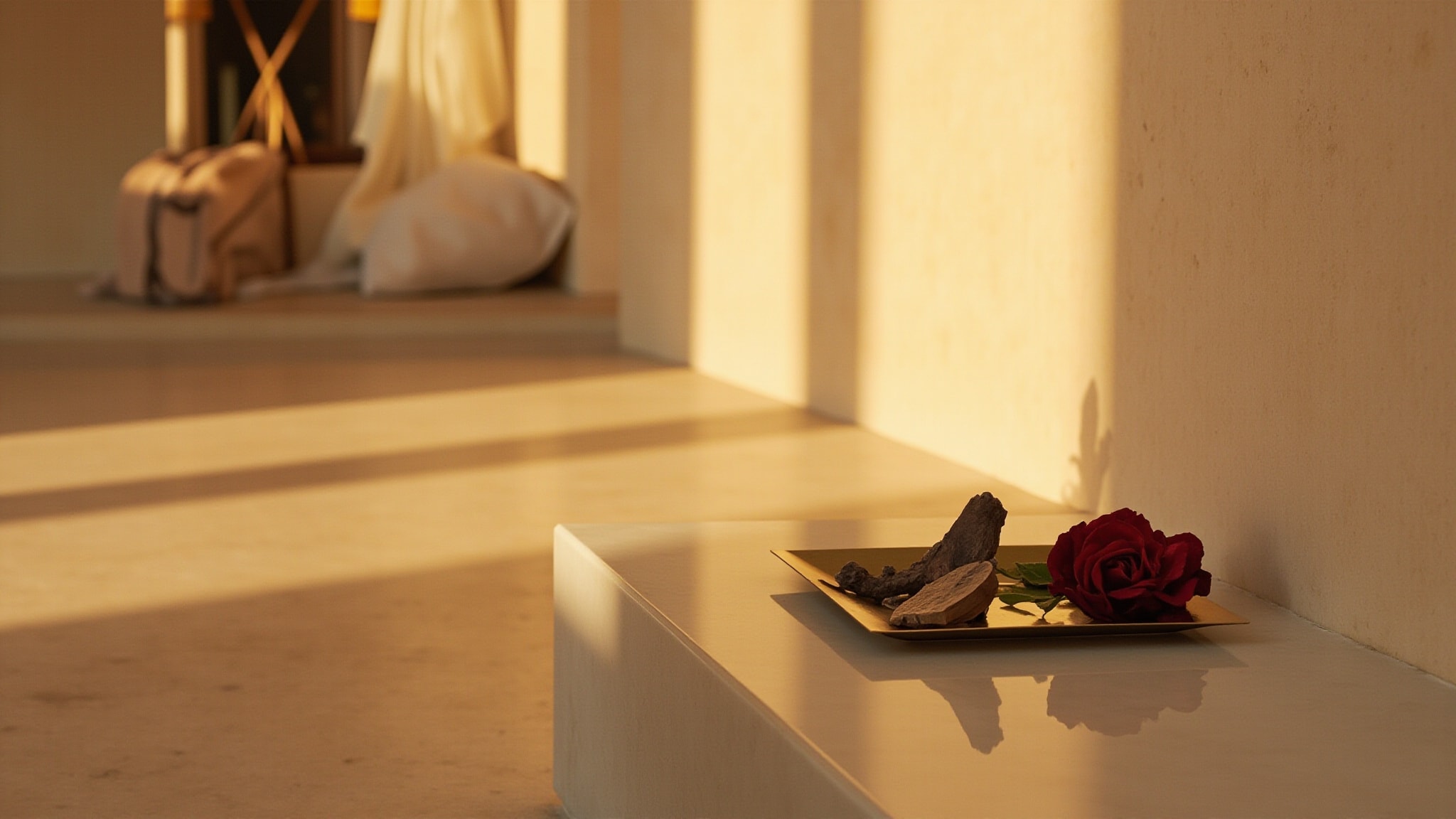
Mukhalat Al Raheeq Attar sits inside the long tradition of mukhalat perfumery, a craft that has shaped Gulf identity and that Asgharali has helped carry forward. Rose and oud sit at the centre of that tradition, and Raheeq leans on both as anchors of memory, hospitality, and devotion across Arabian homes. Attars of this profile are commonly applied during moments of personal ritual, shared at family gatherings, and offered to guests as a sign of welcome, a custom still practiced across the Gulf. The cultural weight of oud and rose in Arabian perfumery runs deep, tied to heritage, generosity, and the everyday rituals of hospitality.