The Story
Why it exists.
The beginning
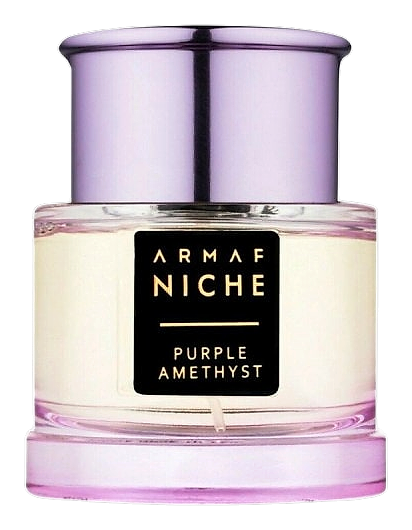
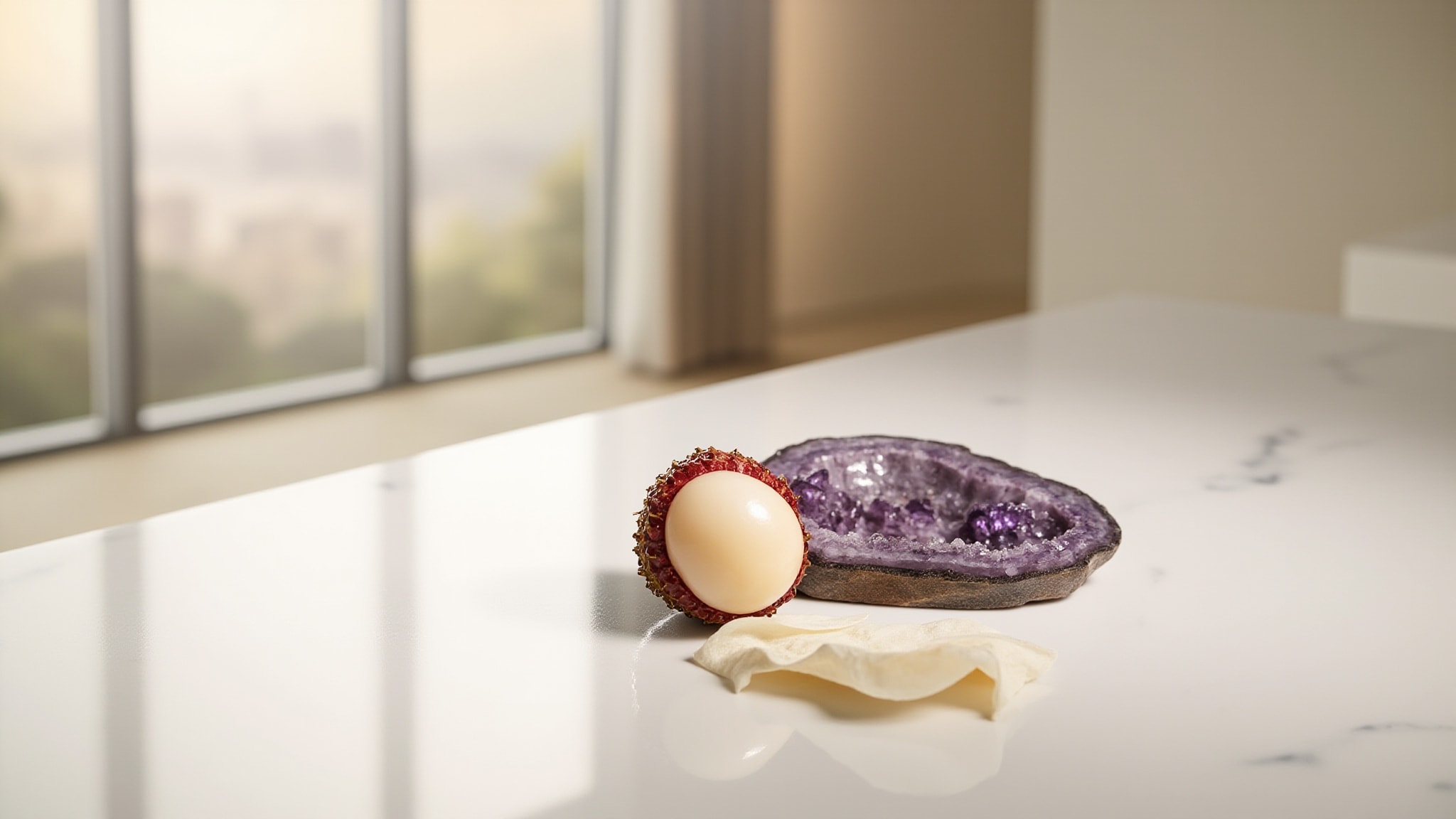
Purple Amethyst takes its name from one of the world's most storied gemstones, a stone prized across centuries for its beauty and believed to carry clarity of mind. Armaf's Niche collection approaches fragrance the same way: precious materials, generous bottles, and no compromises. The composition is built around a tension that works: bright citrus-topped florals against a warm, grounded base. It's a structure that promises to last, to perform, to justify every drop you put on. The 1998-founded house behind it built its reputation on exactly this kind of value, luxury that doesn't ask permission.
The real move here is the iris. In most florals, it shows up as a cameo, a powdery whisper in the drydown. In Purple Amethyst, it's woven through the heart alongside rose and magnolia, giving the floral layer a sophistication that could easily get lost in all that lychee and citrus. Combined with orange blossom, you get creaminess without sweetness, florals without the bubblegum trap. The base, musk, patchouli, amber, does the quiet work of making sure this lasts. Not projection, not sillage. Just presence that doesn't fade when you need it to still be there.
The evolution
The opening is immediate: lemon's tart bite followed by lychee's tropical sweetness. Both hit at once, like walking into a sunlit room after rain. The rose announces itself early but doesn't dominate, it stays in conversation with the citrus, keeping things from going too sweet. The heart phase is where it earns its name. Magnolia and orange blossom arrive together, creating a creamy floral layer that feels nothing like the bright opening. The iris adds powdery sophistication without tipping into grandma. Then the base takes over slowly. Amber and musk arrive first, warm and close. Patchouli lingers underneath, not earthy in the way you'd expect, just a quiet grounding that keeps everything from floating away. The drydown is intimate. It stays within arm's reach for hours.
Cultural impact
Purple Amethyst represents a significant moment in the democratization of luxury-inspired fragrances. Created by Armaf, an Indian house, it bridges the gap between traditional Middle Eastern perfumery traditions and the global demand for modern, mass-appealing scents. The fragrance captures the litchi trend that exploded in popularity during the 2010s, when juicy, fruity notes became synonymous with youthful, accessible luxury. The rose-litchi combination reflects a broader industry movement toward sweet-floral compositions that appeal to younger demographics. By offering this profile at an accessible price point, Armaf enabled consumers who might not access niche or high-end fragrances to experience a comparable scent experience.