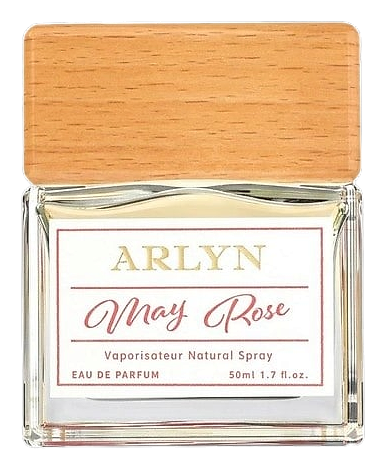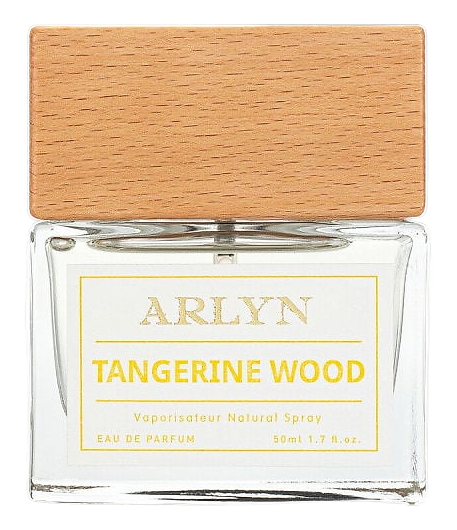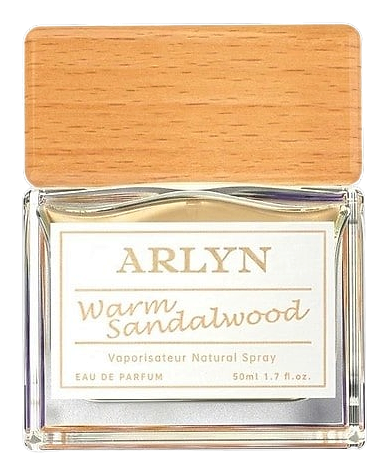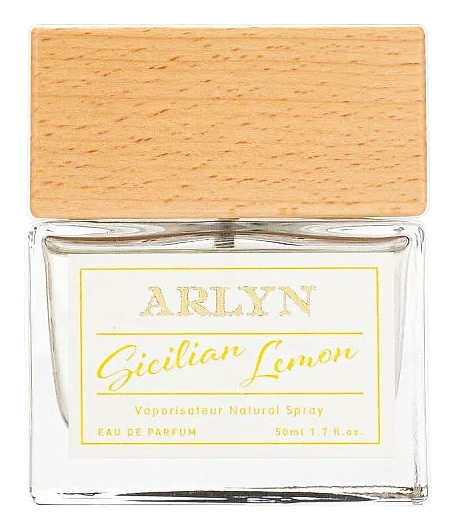
The Story
Why it exists.
The beginning
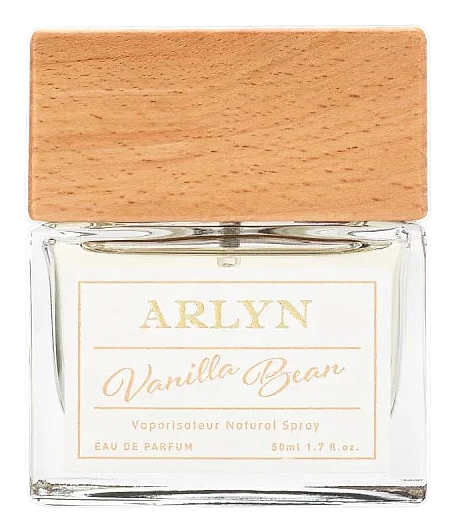
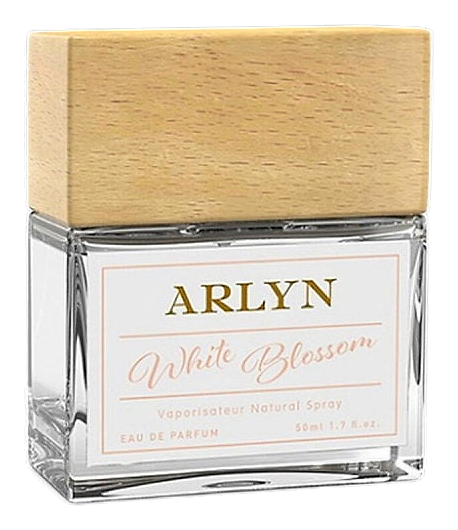
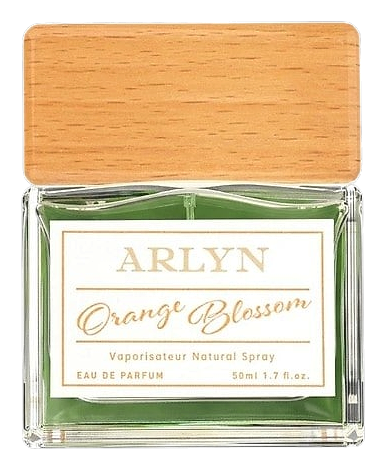
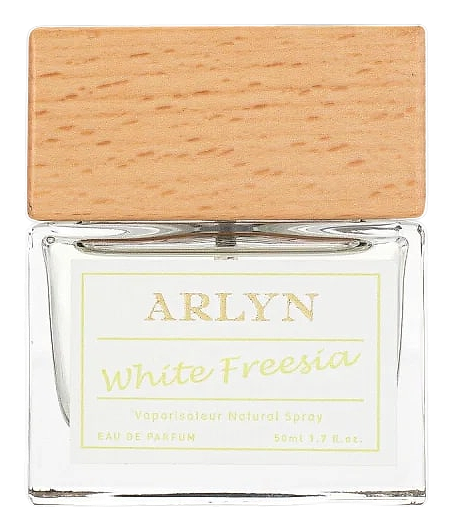
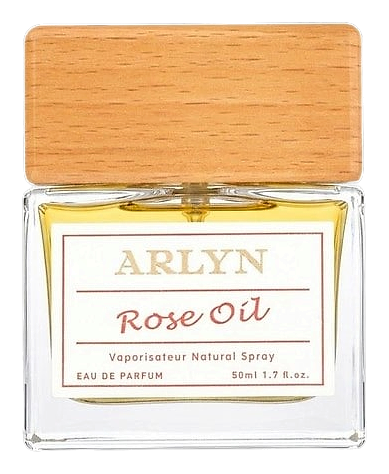
Rose Oil arrived in 2022 from Arlyn, a house built on the premise that thoughtful fragrance construction matters more than label prestige. Their catalog leans heavily into recognizable territory, compositions that nod to established scent families while carving out their own lane. Rose Oil sits firmly in that lineage, drawing on the architecture of the rose-oud genre that Le Labo's Rose 31 helped define. Cumin, oud, guaiac wood, and rose depth collide in a formula that aims for a smoky, resinous character without leaning on the conventions of higher-priced niche bottles. The opening reads savory rather than sweet, a cumin-laced heat that sits just under the rose's surface.
What makes the structure interesting is the tension between spice and resin. Cumin in the opening is a deliberate choice, a green, almost savory heat that keeps the rose from reading as purely romantic. Then the heart stacks vetiver against cedar, two woody materials that pull the composition earthward. The real anchor is the oud in the base, providing that leathery, slightly raw depth that turns a rose fragrance into a statement. The blend sidesteps the heavy incense layering that can dominate some rose-ouds, keeping the profile wearable for everyday settings.
The evolution
The first fifteen minutes are all about the cumin. Warm, slightly sweaty, almost meaty in a way that polarizes. Rose arrives underneath, not as a fresh-petal burst but as something darker, more like a steeped or concentrated version of the flower. By the thirty-minute mark, the spice settles and the vetiver-cedar combo starts to ground everything. The drydown is where this earns its keep. Oud and guaiac wood take over around the two-hour mark, and the rose becomes a whisper, a trace of something floral wrapped in smoky wood. The cumin never fully disappears, it just retreats into the background, lending a warmth to the later stages. By the end of the wear, what lingers is a soft musky-rose impression, more suggestion than statement. The transition from bright spice to deep smoke happens gradually, with each phase giving way cleanly to the next rather than blending into muddle.
Cultural impact
Rose Oil occupies an interesting space in the rose-oud conversation. It borrows the structural DNA of Le Labo's Rose 31 without the boutique price tag that often accompanies that style of composition. The smoky rose genre has historically sat behind a paywall that excluded curious wearers, and Arlyn's take reads as an attempt to lower that barrier. It's the kind of fragrance that makes a familiar category feel approachable rather than intimidating. For someone curious about rose-oud but unsure where to start, this offers a relatively gentle entry point.