The Story
Why it exists.
The beginning
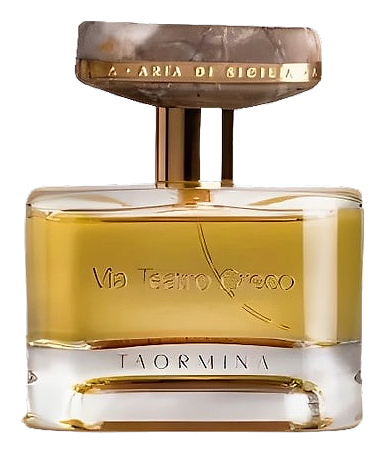
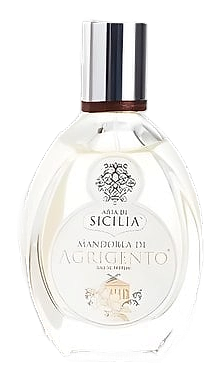
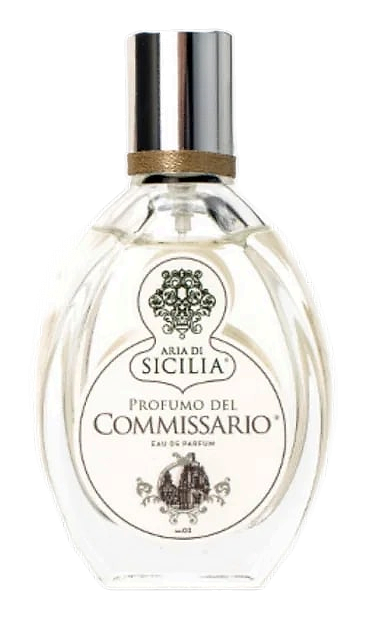
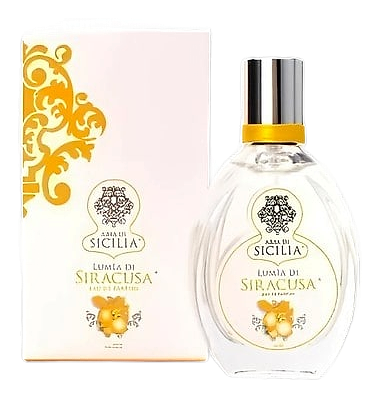
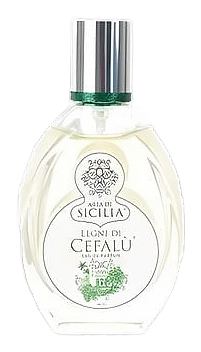
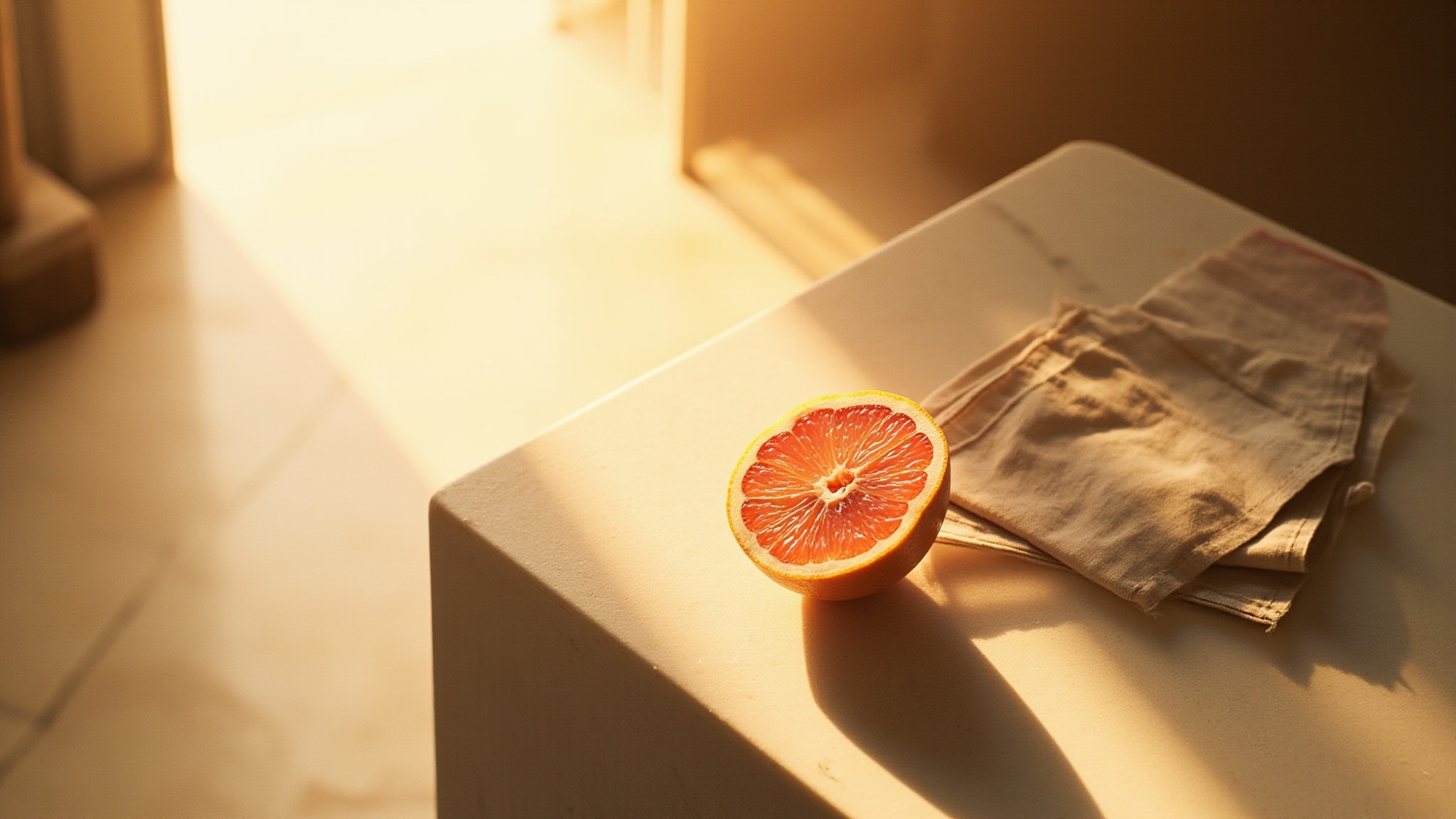
Cefalù, a coastal town in the north of Sicily, provides the naming inspiration for No. 12 Legni di Cefalù by Aria di Sicilia, the woods of Cefalù. The intent reads clearly as place memory: citrus orchards above the shoreline, resinous shrubs clinging to the rocks, and the dry, sun-baked timber that surrounds it all. Each composition in the line seems to function as a kind of sensory postcard from a specific corner of the island, and Legni di Cefalù fits right into that framework. The fragrance uses grapefruit and resin as its primary pigments, trading soft seascape pastels for something with more bite and backbone. There's a dryness to it that evokes wood and stone rather than beach and breeze, and the citrus note carries a bitterness that keeps the whole from leaning sweet.
The unusual move here is restraint. Most citrus compositions risk losing their bright opening to whatever comes underneath, but Legni di Cefalù takes the opposite approach, letting grapefruit carry through nearly the entire wear. The woody and resinous base shuffles underneath, reinforcing the citrus rather than competing with it. The underwood note does the structural work in keeping the grapefruit from reading as a simple cologne, grounding it in something less polished. The resins add a faint warmth that keeps the whole thing from disappearing into pure zest.
The evolution
On skin, the grapefruit arrives first and loud, sharp and juicy, the sort of opening that fills the air around your collar before you've even stepped away from the mirror. The initial burst settles quickly, and the resins start pulling through, a low sweet warmth beneath the zest, while the woods arrive quietly underneath, never quite announcing themselves. As the composition develops, it settles into something more mellow: grapefruit still present but now closer to the pink, slightly bitter rind than the pulp, tangled with resin and that warm woody undertone. The drydown is where the underwood earns its keep, dry and almost dusty, with a ghost of citrus pith and faint resin sweetness clinging to skin. It doesn't morph dramatically from phase to phase; it narrows, gently, the way a summer afternoon narrows into evening without you noticing when the shift happened.
Cultural impact
The fragrance has carved out a particular kind of appeal among wearers who appreciate bright citrus compositions that don't sacrifice depth for freshness. It leans into a resin-warm thread that reads as personal rather than commercial, and the execution keeps it from tipping into standard cologne territory. The combination of grapefruit with woods and resin gives it a profile that feels distinctive within the broader landscape of citrus-forward fragrances, offering something that's both immediately recognizable and harder to pin down.