The Story
Why it exists.
The beginning
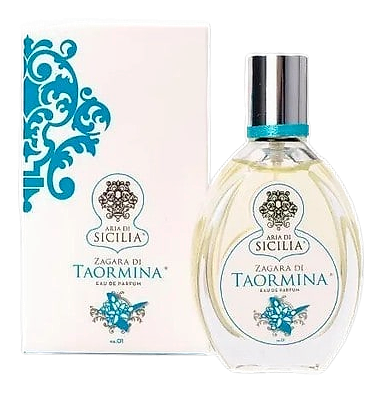
Zagara is the Sicilian word for orange blossom, and No. 1 Zagara di Taormina wears its geography openly. Named for the citrus groves that climb the hillsides above Taormina on Sicily's eastern coast, it lands as the opening chapter in a numbered catalogue designed to map the island scent by scent. The white blossoms of the zagara tree open each spring, releasing waves of perfume into warm Mediterranean air that drifts down toward the coast. Sicilians have long collected the small flowers by hand, pressing them into pastries and folding them into ceremony. The fragrance takes that single olfactory gesture, the bright, honeyed sweetness of orange blossom at peak bloom, and isolates it without ornamentation.
There is no trick here, no surprise ingredient buried under layers of marketing. The composition commits fully to a single idea: what does a Taormina citrus grove smell like at peak bloom? The structure is deliberately narrow, citrus and florals through the entire arc, with sugar threading the middle to translate the slightly bitter nectar of real orange blossom into something wearable. It reads soapy and powdery not by accident but because that is precisely what zagara smells like when hundreds of trees bloom at once, their fallen petals dusting warm stone. A house that names its fragrances after Sicilian locations was always going to start here.
The evolution
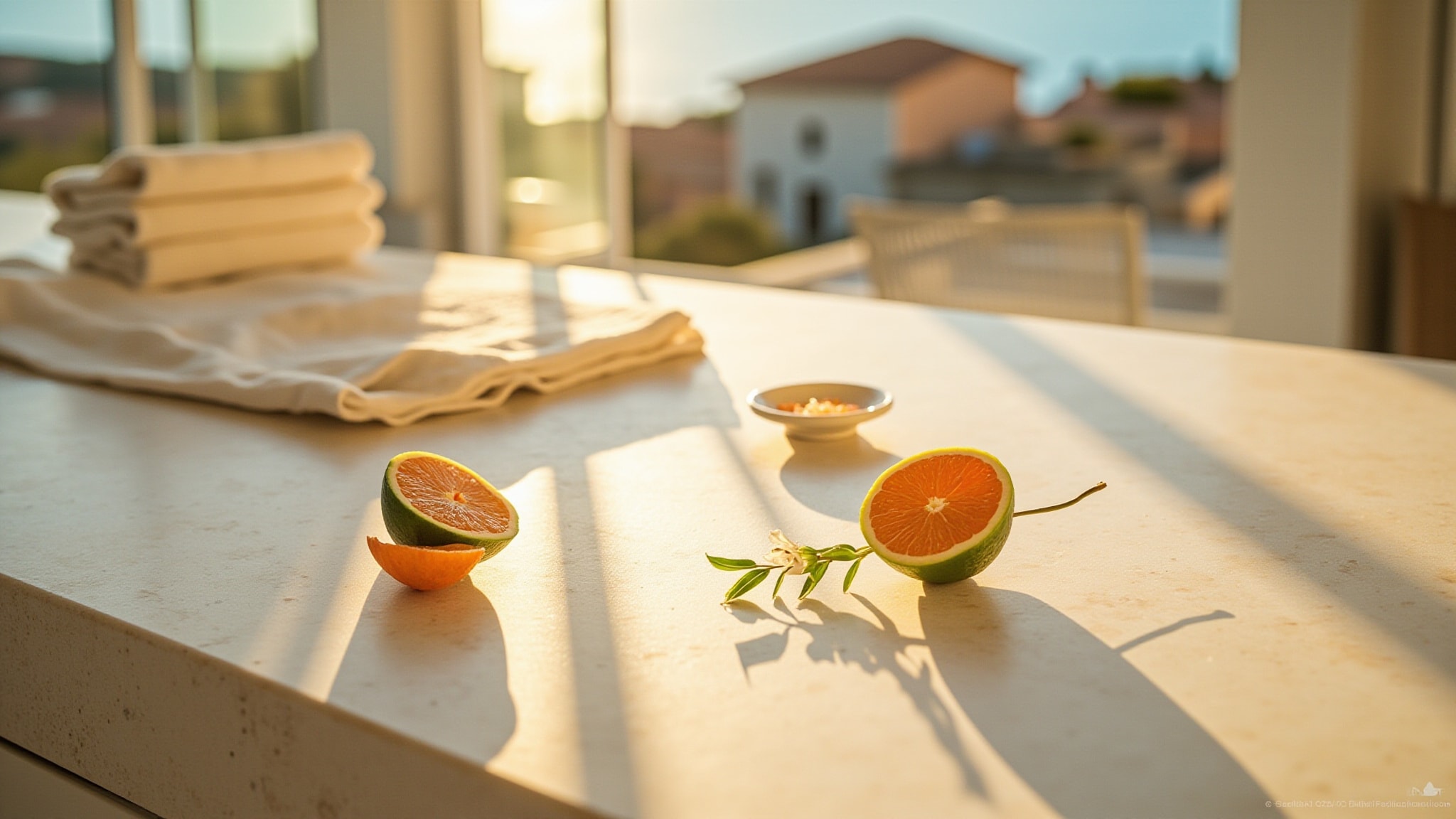
On skin, the first ten minutes are almost sharp, the way real citrus zest can be before the oils settle. Then the florals step forward, and the composition softens into something that feels like a clean laundry line drying beside a flowering tree. Sugar arrives quietly in the middle, not gourmand sweetness but the faint caramel edge of nectar drying on petals. The drydown is where it earns its reputation: a creamy, slightly powdery floral that clings to skin for hours, intimate and skin-close. The orange blossom note threads through every stage of the wear, present at the opening as a vivid white floral and reappearing in the base as something softer, more musky, and faintly almond-sweet. What starts bright and almost green acquires a talc-like smoothness as the hours pass, settling into a warm skin-scent that feels personal rather than performative. It does not project across rooms.
Cultural impact
The orange blossom carries a particular weight in Sicilian life, showing up in wedding traditions, festival garlands, pastries, and the small glass vials of zagara water sold in old-town shops. No. 1 Zagara di Taormina channels that cultural density into a single composition, presenting the flower without translation or commentary. It reads as confident rather than complicated, letting the orange blossom speak at full volume instead of tucking it beneath darker notes or resinous counterpoints. The sweetness is gentle and unforced, almost like the smell of blossom water brushed across warm skin.