
The Story
Why it exists.
The beginning
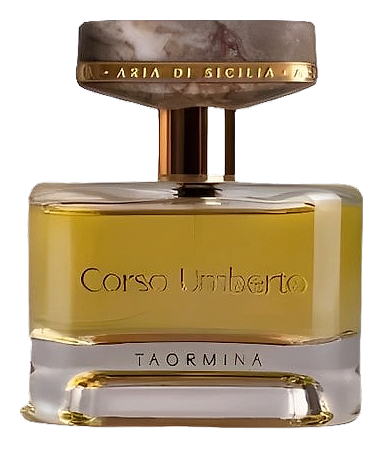
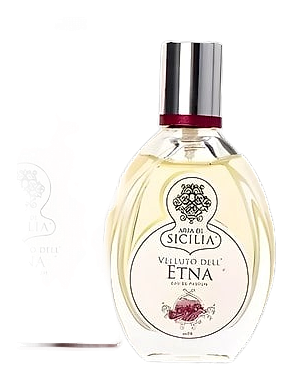
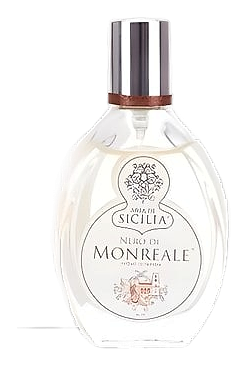
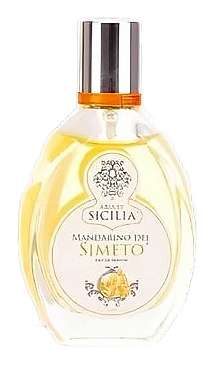
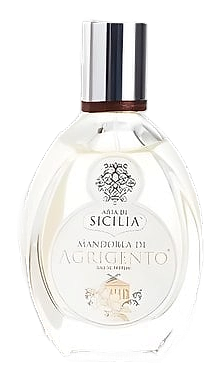
No. 7 Mandorla di Agrigento belongs to Aria di Sicilia's numbered catalogue of Sicilian place-names, a portrait series built around one island crop above all others. Almonds. Specifically the almonds of Agrigento, the Sicilian province whose identity is inseparable from its groves. The naming convention places each release on the island like a pin dropped on a place, and this one draws its identity from the almond orchards of Agrigento, a region where the crop carries cultural weight that goes beyond agriculture and into language, ritual, and regional pride. The composition reads less like a perfume brief and more like a single ingredient given room to speak. Four notes. No filler. The almond isn't a flourish tucked behind something louder.
Almonds belong to Agrigento. The province has claimed the crop as its own for so long that the two names have become almost synonymous in Sicilian conversation. You'll find the motif everywhere, in pastries, in sweets, in the visual language of local branding and souvenir packaging. Aria di Sicilia bottles that same cultural shorthand, translating the visual identity of Agrigento into something you can smell. What the fragrance does is take a regional symbol and give it olfactory form.
The evolution
Almond opens first, sweet and unmistakably edible, the kind of warmth that recalls marzipan or a still-warm bake. The note lands immediately, fully formed, without any need to wait for it to develop. Soon after the anise arrives, green and slightly medicinal, tilting the sweetness sideways. It cuts through. As the composition settles, the cinnamon has built alongside the anise into something close to a spiced biscuit warmth, the almond now reading as toasted rather than raw. The sandalwood starts to surface once the spices have done their work, and this is where the composition stops feeling gourmand and starts feeling like skin. The sweetness doesn't vanish, it just sinks underneath. The spice loosens its grip. What remains is a creamy, faintly nutty wood that sits close to the body and carries through the rest of the wear. The later stages lean clean and woody rather than sweet.
Cultural impact
Wears like a quiet signature, the kind of scent someone chooses who wants warmth without announcement. The almond reads as the dominant voice throughout, lifted by green anise and warm cinnamon, then grounded by a creamy sandalwood base that softens everything beneath it. Best suited to cooler months and early evenings, though the almond sweetness gives it enough lift to work in shoulder seasons too. The composition rewards slow attention.