The Story
Why it exists.
The beginning
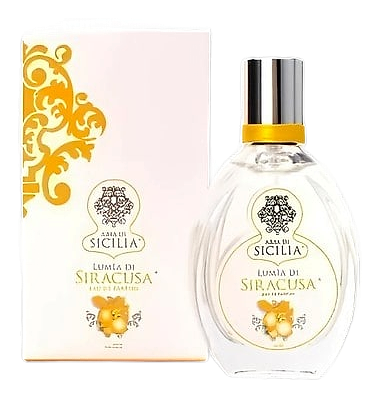
Aria di Sicilia released its second numbered composition in 2016, naming it Lumia di Siracusa after that specific sensory overload: citrus groves of Ionic Bergamot, where the raw material is treated as the whole point of the exercise. The name refers to a place and to a fruit, and the composition reads like both. Number 2 is the Siracusa entry, a single-minded tribute to bergamot in its most expressive form, the kind of citrus that perfume houses have chased for a century without ever quite catching. Here it gets caught. There is no attempt to soften it, round it off, or hide it under a supporting cast of florals and resins. The bergamot is allowed to lead, and the structure around it is stripped down enough that nothing competes.
What makes this composition interesting is what it leaves out. There is no floral heart trying to humanize the citrus, no gourmand base pulling it toward comfort, no oud or smoke complicating the drydown. The restraint is the point. A lot of citrus fragrances soften quickly, rounding into something pleasant but vague, the original character dissolving into a generic clean-soap finish before the first hour is out. Lumia di Siracusa refuses that trajectory. The Sicilian citrus it references doesn't need rescuing from itself, and the composition around it doesn't try to redirect the conversation.
The evolution
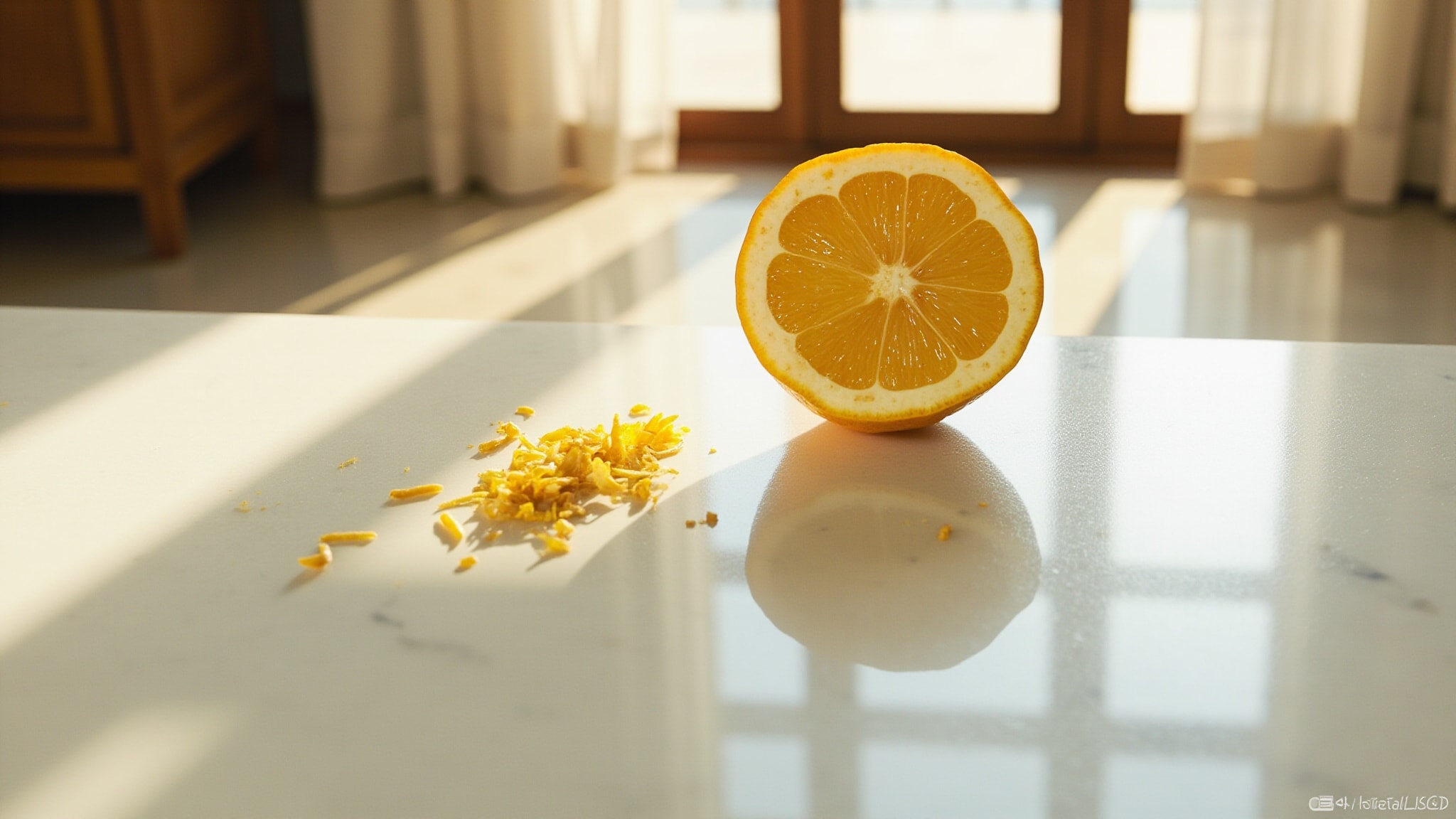
The opening is a cold slap. Bergamot and citron come at you almost simultaneously, no warmup, no gentle entry, just the bright metallic snap of citrus oils hitting warm skin. Aldehydes ride underneath like glass reflecting light, giving the whole opening an effervescent quality that reads more like seltzer than juice. There is fruit here, but it stays green and zest-forward rather than sweet, the kind of citrus character that smells closer to a freshly broken peel than to a juice glass. As the first thirty minutes pass, the bergamot settles into something rounder and slightly soapy, the aldehydic shimmer smoothing out, and the lemon takes a quieter seat in the mix. Citrus fragrance, that well-trodden territory where almost everything smells the same by this hour. Then, somewhere in the late-stage wear, something subtle but worth noticing happens. The woods surface.
Cultural impact
The fragrance has earned a following among people who want their citrus compositions to actually taste like citrus rather than to perform a citrus impressionism. It's the kind of bottle that ends up in summer rotation, pulled out when the temperature climbs and the calendar tilts toward long evenings. Its warm-weather bias is strong, and the warmest three months of the year are when it gets talked about most, particularly in circles where Sicilian materials carry a certain cachet.