
The Story
Why it exists.
The beginning
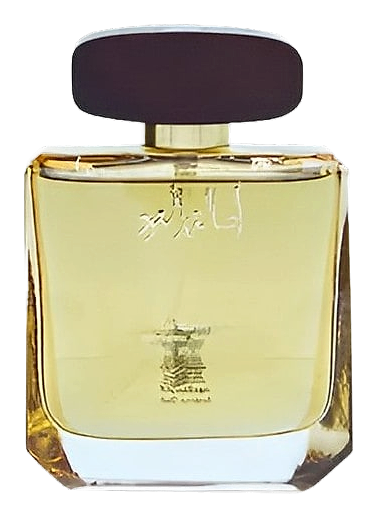
Asalat Al Oud arrived in 2014, a release built around a single idea: three woods, nothing else. The fragrance strips the brief down to a trio that knows exactly what it is, cedar and sandalwood opening the gate, oud closing it. There's no green apple pretence, no jasmine garnish, no vanilla cushion, just the kind of restraint that comes from a house that has spent years working with oud as a material rather than a marketing prop. It treats oud as a working ingredient, structural rather than ornamental, the centre of gravity around which the lighter woods orbit. Cedar brings the architectural edge, sandalwood brings the creamy warmth, and oud brings the depth and shadow.
What sets Asalat Al Oud apart from the crowded oud shelf is honesty of intent. There's no green apple pretence, no jasmine garnish, no vanilla cushion. The official description keeps things simple, listing only cedarwood, sandalwood, and oud, and the fragrance on skin honours that minimalism completely. The drydown tells the real story: cedarwood's dry structural crack, sandalwood's creamy weight, and a deep oud that reads more leathery and smoky than sweet. A straightforward wood composition that bets everything on material quality rather than complexity, and lands the bet.
The evolution
The opening belongs to cedarwood, dry and structural, the way a freshly split log smells before any sap softens. It's crisp, almost architectural, with a faint pencil-shaving warmth tucked underneath that gives the wood a human quality before the heavier notes arrive. Soon after, the sandalwood steps forward, warm and powdery, settling under the cedar with a soft, almost milky undertow that catches the light without shouting. The transition is subtle, more a shift in weight than a change in colour, and the composition begins to feel less like a sketch and more like a structure. As the hours pass, oud arrives, not as a sharp entrance but as a deepening. Smoky, leathery, faintly resinous, with what some wearers describe as a charred-wood quality, as if the sandalwood got too close to a fire and liked it.
Cultural impact
Asalat Al Oud reads as a statement of intent rather than a crowd-pleaser within Arabian Oud's broader catalogue. Wearers gravitate toward it specifically because it doesn't dress the oud up. It assumes the wearer wants wood without commentary, and that assumption has carved out a quiet following among those who already know what they want from an oud fragrance. The release sits comfortably within a tradition of stripped-back oud compositions, joining a long lineage of perfumes that treat the material as the main event rather than a supporting player.