The Story
Why it exists.
The beginning
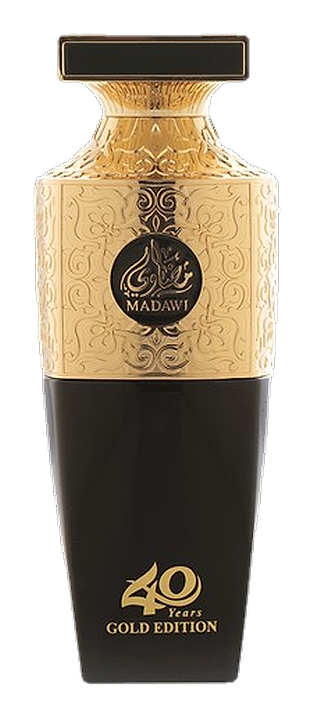
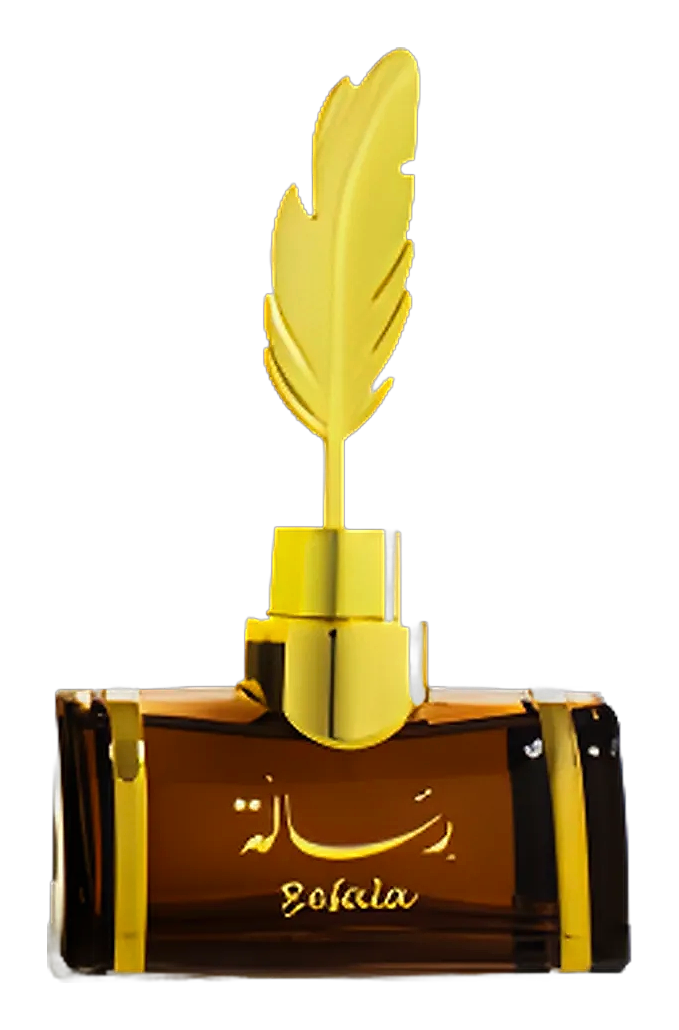
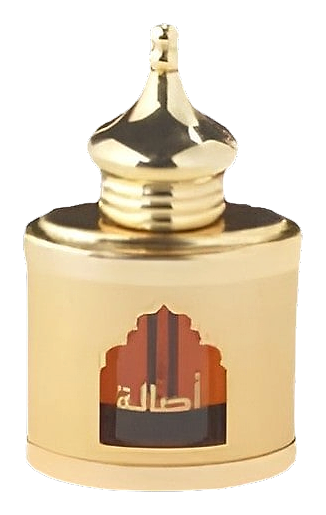
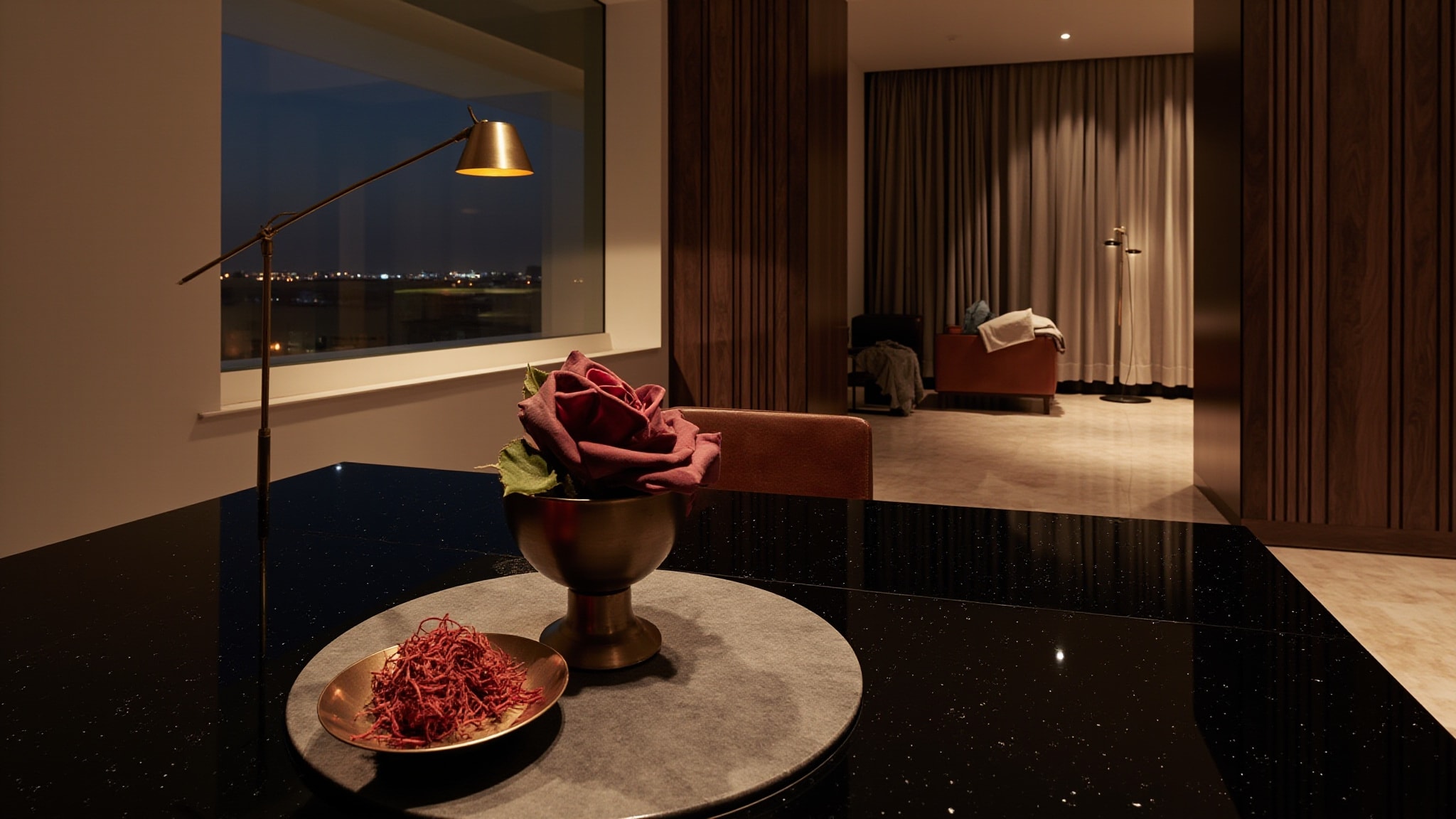
Asalah doesn't whisper. From the house of Arabian Oud, this composition sidesteps convention entirely. No heavy oud base. No thick resin undercurrent. Instead, Asalah bets everything on a single, oversized bloom: Damask rose, the kind that commands rather than decorates. It reads like a love letter to the rose as architecture, framed by saffron that doesn't politely suggest spice but insists on it. A floral with the posture of something older and more deliberate, built on a tight cast of five notes that work in concert rather than competition. The saffron brings a metallic thread through the composition, a glint of something mineral that keeps the rose from collapsing into pure sweetness. It's a structure that trusts the materials to carry the weight without padding the formula.
Five notes. That's all. The restraint is the point. Asalah lets the Damask rose breathe alone in the heart, propped up by just two opening materials and grounded by two base anchors. Saffron and jasmine arrive first, not as a polite greeting but as a hand on the shoulder. The saffron here leans warm and leathery, the metallic edge left intact rather than smoothed away. Sandalwood and musk in the base give the rose a foundation that lasts rather than a quick lift. The opening has presence, the kind that walks into a room before you do, but the jasmine keeps it from tipping into aggression.
The evolution
Saffron and jasmine open the composition, and they don't share the stage politely. Saffron arrives with that dry, almost metallic heat, the metallic accord in the structure left unvarnished and raw. Jasmine threads through it with a narcotic sweetness, just enough to keep the saffron from tipping into austerity. Then the handoff: Damask rose takes over completely, and it arrives with weight. Not the powdery, lipstick-on-paper rose. This is rose with the thorns still on, dense and slightly jammy, the kind that fills a doorway. The saffron recedes into a low ember underneath, still detectable but no longer leading. As the hours pass, the rose begins to thin. The sandalwood surfaces, creamy and blond, and the musk settles into something close and skin-like. The drydown isn't a fade so much as a softening, the composition pulling inward rather than disappearing.
Cultural impact
Asalah occupies an interesting position within Arabian Oud's catalogue. A five-note rose composition carries a certain editorial weight, a willingness to let a single material carry the entire structure without hiding behind a long ingredient list. The saffron-and-rose pairing in the top and heart gives the composition a warmth that reads as distinctly Middle Eastern in its sensibility, even without the agarwood backbone many associate with the region's perfumery. The musk and sandalwood base pulls the whole thing into close territory, the kind of wear that becomes part of someone's daily signature rather than a special-occasion statement.