
The Story
Why it exists.
The beginning
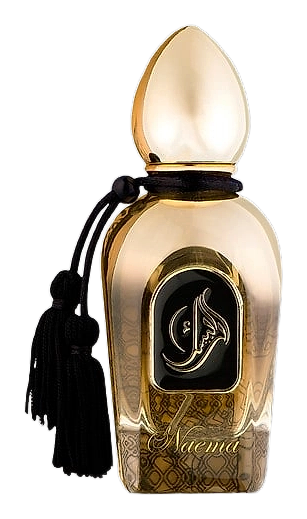
Naema was born from a single image: a crystal chandelier hanging over an Italian opera house, its light refracting through centuries of velvet and gilded ceiling. The brand wanted to capture not just the grandeur, but the specific tension of a performance about to begin, love, passion, faith suspended in air thick with anticipation. Perfumer Alain Alchenberger built the composition around that dramatic contrast. Blackcurrant and rum open bright and unexpected, then yield to iris petals and ambergris in the heart, before a woody-musky base holds the final note. The result is a fragrance that performs, in the best possible way.
What makes Naema unusual is the rum. Oriental fragrances tend toward incense, oud, or warm spices, but rum adds something unexpected here: it sweetens the blackcurrant without making the opening syrupy. Instead, it reads as warmth, like the hush before the overture starts. The iris and ambergris in the heart then pivot the composition toward something more animal and powdery, adding depth without heaviness. The combination creates a sensory contrast, the initial brightness gradually giving way to a more contemplative character as the fragrance develops on the skin.
The evolution
The opening hits sharp, blackcurrant's tartness immediately, with rum's sweetness threading underneath. As the fruitiness softens, ambergris and iris arrive together, the iris adding that characteristic powdery violet note while the ambergris gives it an animal warmth that wasn't there at first. The spices in the heart are subtle, more texture than statement. As the fragrance progresses, musk and woody notes take over, and the composition settles into something close and intimate, not projecting loudly but present for hours. On some skin types, the drydown lasts well into the evening. On others, it fades to a skin-close warmth by the afternoon.
Cultural impact
Naema sits in an interesting position: complex enough to satisfy collectors who notice the unusual rum-blackcurrant pairing. The Italian opera inspiration gives it a theatrical quality that reads differently depending on context, playful by day, dramatic by night. Community reception splits between those who find it perfectly balanced and those who detect an artificial or medicinal undertone, which is worth noting before blind purchasing.