The Story
Why it exists.
The beginning
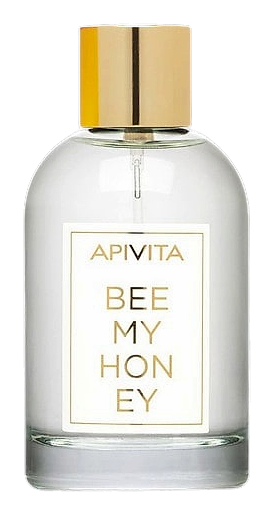
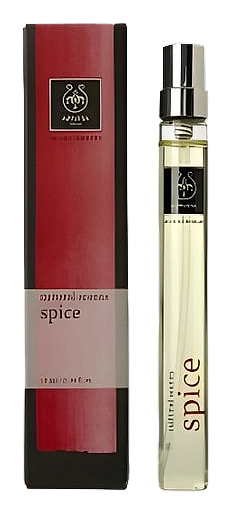
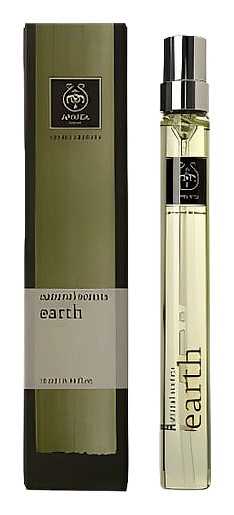
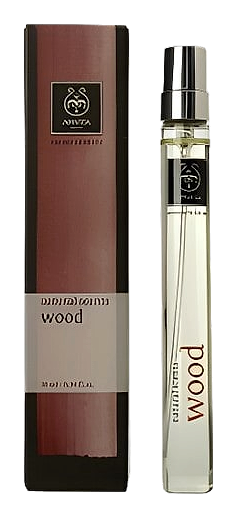
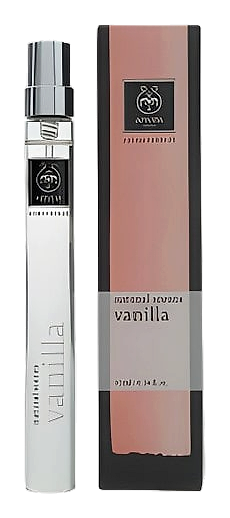
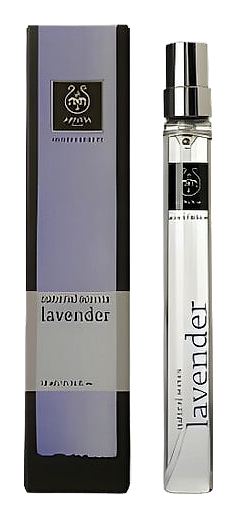
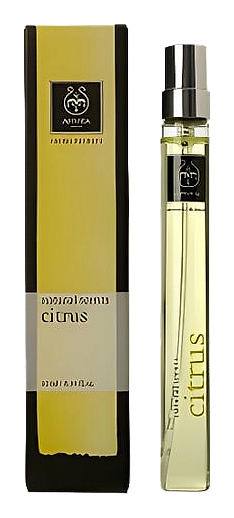
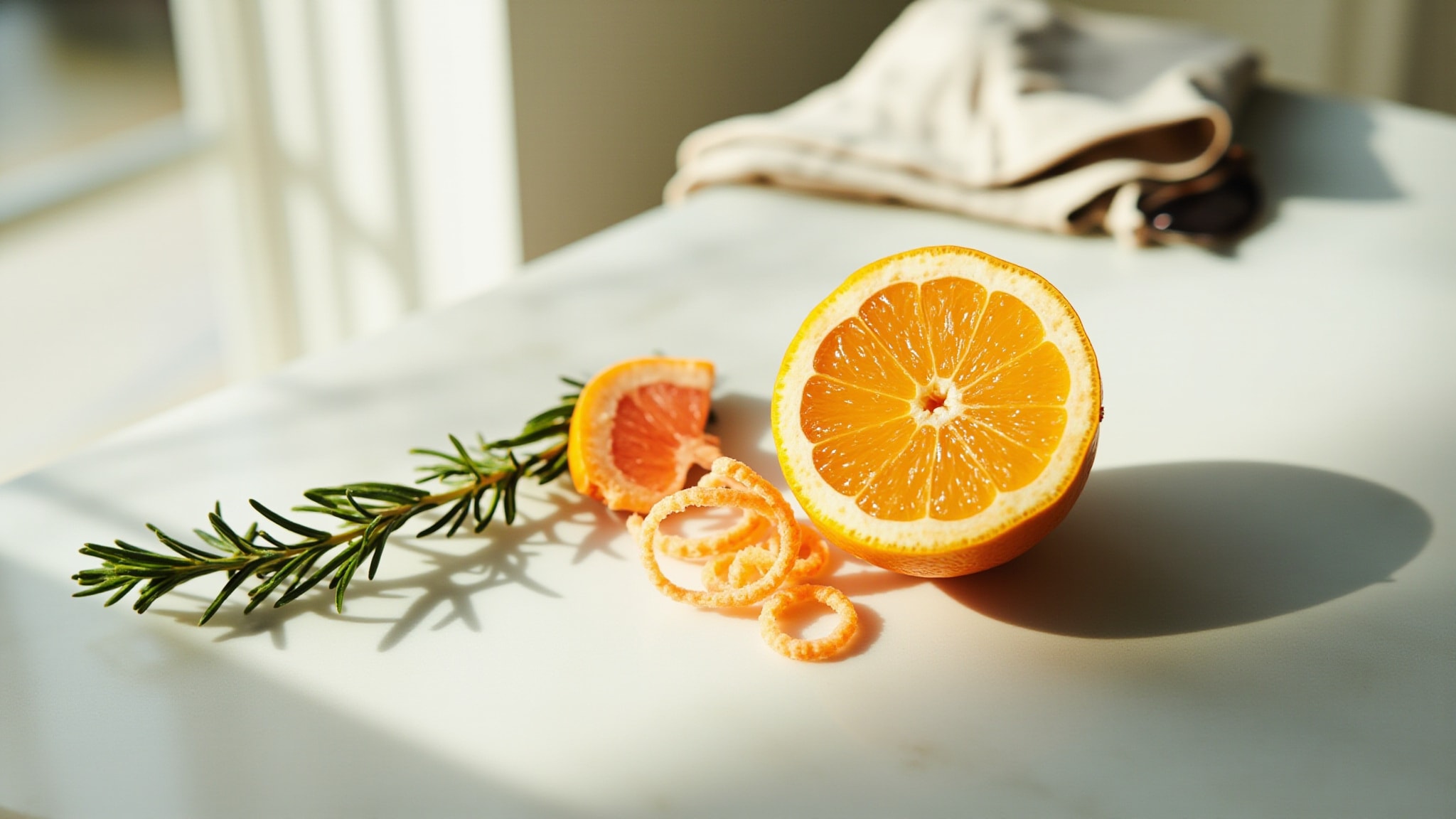
Citrus Natural Scent belongs to Apivita's Natural Scent collection, a grouping of fragrances that keeps its promises simple. The Citrus entry sits among siblings like Lavender, Jasmine, Rose, and Vanilla, each one offering its own botanical signature. On first impression, the juice smells like the fruit itself pulled from the branch, uncut and unsweetened. The bergamot lifts with that soft floral peel warmth, the grapefruit adds a tart edge, and the lemon cuts through bright and unmistakable. Beneath the citrus surface, rosemary and clary sage lend a green, faintly resinous depth, while petitgrain weaves in a leafy, almost twiggy bitterness that keeps the whole composition from collapsing into something simple or sweet.
What's notable here is the decision to let citrus lead and never step back from it. The composition stays in character throughout, leaning on clary sage and petitgrain to keep the brightness grounded rather than launching into a sweet or smoky base. The rosemary and tea tree add a faintly medicinal backbone, an herbal undertow that keeps it from drifting into predictable territory. It's a study in restraint, the perfumery equivalent of a still pond.
The evolution
The first spray is almost aggressive in its clarity. Lemon and grapefruit hit the skin cold and sharp, the kind of brightness that makes you blink. Bergamot softens the edges within seconds, rounding the opening into something rounder and almost edible. Around the 30-minute mark, rosemary and clary sage surface, carrying a green, slightly resinous weight. The petitgrain adds a leafy shadow, the way sunlight filters through an olive grove at the hour when the shadows start to lean. By hour three, the sharper citrus has faded and the herbs take over. What lingers past hour five is a quiet, slightly bitter warmth, rosemary skin rather than rosemary sprig. The whole arc stays close, personal, built for the wearer more than the room.
Cultural impact
Citrus Natural Scent sits at the quieter end of the natural perfumery conversation. It reads as honest rather than luxurious, a deliberate aesthetic choice that places emphasis on transparency of materials over ornamentation or theatrics. The fragrance appeals to those who want something that smells closer to the actual plant, offering a composition that feels direct and unembellished. There's a quiet confidence in how the scent presents itself, trusting the raw materials to carry the experience without the need for elaborate marketing language or positioning.