The Story
Why it exists.
The beginning
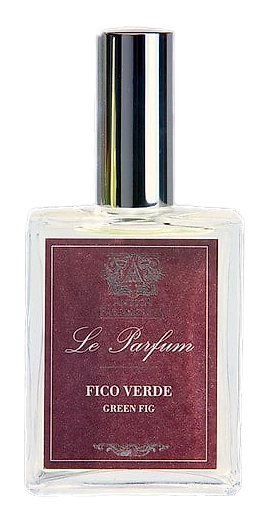
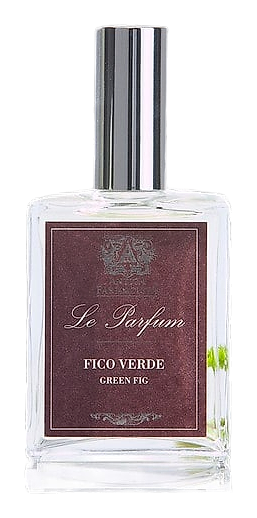
Green Fig arrived in 2008 as part of Antica Farmacista's growing catalog of home and personal fragrances. This one skipped the orchard entirely, reaching instead for the stem, the leaf, the cool green air around the tree rather than the milky sweetness of the fruit itself. The composition leans into the herbaceous side of fig, pulling from the vegetation that surrounds the fruit and turning it into something wearable. It reads as green in a way that feels deliberate, almost architectural, with violet lending a soft haze that prevents the greenness from becoming severe.
What makes the structure interesting is what it leaves out. Most green fragrances build their brightness from citrus. Green Fig builds from grass and violet, with fig as the heart and sandalwood doing the heavy lifting underneath. That choice creates a composition that reads more botanical than perfumey. The violet adds a powdery, almost cosmetic softness without tipping into lipstick territory. The sandalwood doesn't smolder. It steadies. The result is a scent that smells closer to a plant you might recognize than a fragrance you might test.
The evolution
On skin, the grass note is the loudest voice in the first ten minutes, crisp and sharp with a cool edge that almost prickles at the back of the throat. Violet weaves in alongside it, adding a soft purple haze that keeps the green from feeling too austere or too severe. By the thirty-minute mark, the fig arrives, and it shows up as leaf, not fruit, slightly bitter, slightly cool, the smell of tearing a fig leaf rather than biting into the flesh. The sandalwood has been there the whole time, quiet underneath, but it starts to take over as the grass recedes. What remains after two hours is a close, creamy sandalwood with a ghost of violet still hanging in the cloth of your shirt. It does not project. It does not need to. Around the three-to-four-hour mark, it becomes a skin scent, and you catch it only when you move your wrist past your face or press your nose to the fabric.
Cultural impact
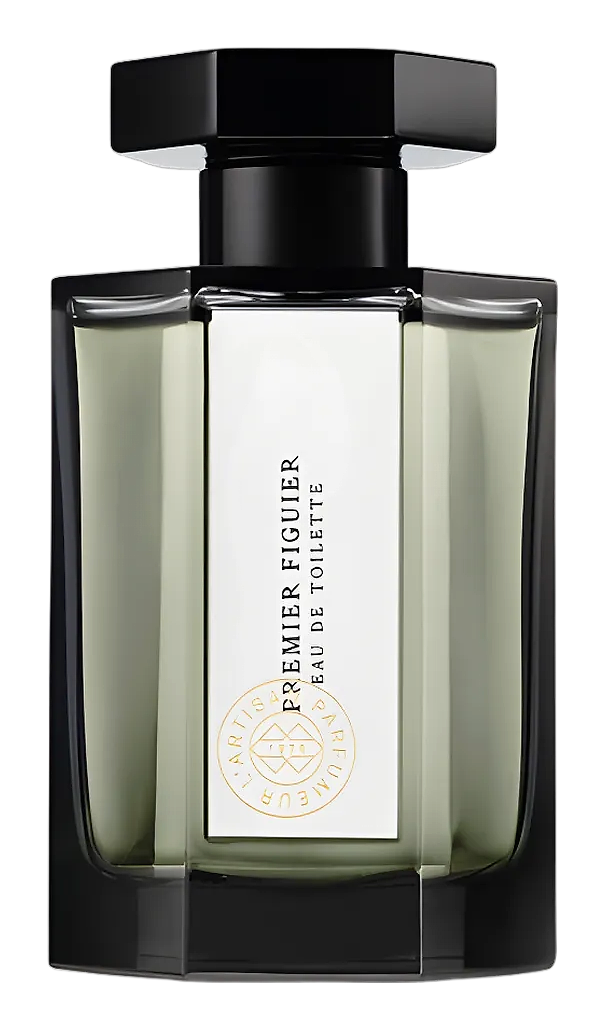
Green Fig sits in a small camp of fragrances that treat fig as foliage rather than fruit, offering a leaf-and-stem interpretation that pulls away from sweetness and into something cooler and more herbaceous. Where the fruit-forward fig fragrances lean warm and milky, Green Fig goes greener, more like the air around the tree on a damp afternoon, the smell of crushed leaves and stems rather than ripe flesh. It appeals to those who already trust Antica Farmacista's catalog enough to reach for it across product formats, and to anyone who wants their fig without the dessert associations. It is not a conversation piece. It is a preference.