






Heritage
A house, in its own words
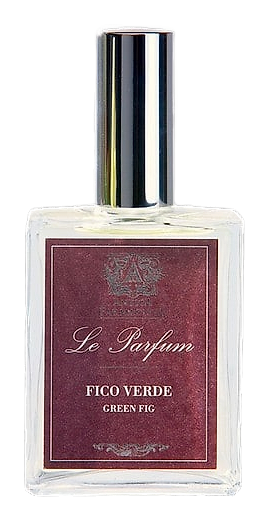
The story of Antica Farmacista begins in Seattle in 2003, when two friends, Susanne Pruitt and Shelley Callaghan, decided to combine their shared passion for fragrance into a business venture. The name itself draws from the Italian tradition of historic pharmacies and apothecaries, evoking centuries-old European establishments where skilled craftsmen blended aromatic compounds for discerning clientele. The Italian words Antica (ancient) and Farmacista (pharmacist) signal the brand's aspiration to connect contemporary home fragrance with a sense of historical craft. Pruitt and Callaghan, both women, launched their company at a time when the home fragrance market in the United States was still largely dominated by mass-market options. Their timing proved significant; the early 2000s saw growing consumer interest in premium, design-forward home goods. The co-founders positioned their brand to fill a gap between utilitarian air fresheners and museum-quality perfumery, creating products intended for everyday ritual rather than occasional indulgence. Over the years, the brand caught the attention of Sferra, the New York-based luxury linen company, which eventually acquired Antica Farmacista as a subsidiary. This pairing made intuitive sense: both brands appealed to the same demographic interested in elevated domestic environments. In 2016, co-founder Shelley Callaghan publicly discussed receiving a cancer diagnosis, sharing her journey with the brand's community and maintaining her involvement in company operations during treatment. Antica Farmacista operates from the conviction that scent is an accessible form of luxury, one that transforms everyday spaces without requiring the commitment of wearing a single fragrance on the body. The brand emphasizes versatility in its approach, creating scents that work across multiple product formats including candles, diffusers, and body care. Rather than chasing seasonal trends with disposable collections, the company has maintained a core catalog of approximately 32 fragrances over the years, many of which remain permanent fixtures. The founders have spoken about their interest in the emotional dimension of fragrance, describing how certain combinations can recall specific times, places, and moods. This perspective informs their naming conventions, which often reference locations (Ala Moana, referring to a Hawaiian beach) or sensory experiences (Prosecco, Fico Verde) rather than listing ingredient notes. The brand's philosophy also encompasses the hotel market, recognizing that commercial spaces require fragrances that please a broad audience without overwhelming. This dual focus on residential and hospitality settings has shaped product development, leading to formulations balanced enough for shared public environments while remaining distinctive enough to earn brand recognition.