The Story
Why it exists.
The beginning
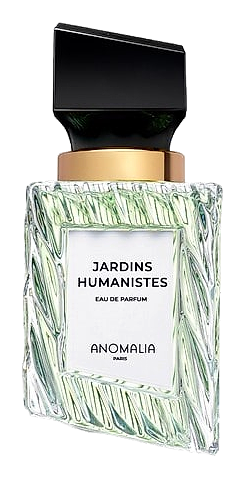
The name carries intention. Humanist gardens, the Renaissance idea of cultivated nature as intellectual retreat, a space shaped by thought rather than impulse. That's what Anomalia Paris asked Duchaufour to build here: a floral that thinks about itself. Not a meadow. Not a bouquet dropped on a table. Something considered. The fragrance draws from the Garden of Eden, a concept that finds its expression in the base notes where the deeper layers suggest that original garden. What would it smell like to enter a garden that exists because someone imagined it first? That's the brief. Lily of the valley and bergamot as the first chapter: cool, green, the smell of cutting stems before the sun fully rises.
The note structure moves from cool to lush without ever becoming heavy. That's the technical achievement. Gardenia and hyacinth in the heart could easily tip into something opaque and cloying, they've been handled with restraint, the green freshness threaded through so it never disappears. Orange blossom adds its signature bitter-floral character, the part of orange blossom that smells like the flower itself rather than the fruit. What separates Jardin Humanistes from standard white floral construction is the base. Heliotrope and mimosa aren't the expected choices, they pull the composition toward powder rather than cream. The tuberose is present but not dominant, a supporting voice rather than the lead.
The evolution
The opening arrives crisp and immediate, bergamot's citrus brightness followed by lily of the valley's cool green dewy quality. There's something clean about this first chapter, almost soap-adjacent without tipping into detergent. Within the first hour, gardenia and hyacinth take over. The humidity picks up. This is the chapter that earns the Eden reference, warm air, thick scent, flowers opening in heat. The orange blossom adds dimension without sweetening further. It keeps things grounded. The drydown is where it becomes personal. The florals don't fade so much as they migrate, from air to skin. Heliotrope and mimosa create that powdery warmth that stays close, intimate, the kind of sillage that only someone standing beside you would notice. The tuberose threads through as a creamy whisper rather than the full-body statement it can be in other compositions.
Cultural impact
Jardin Humanistes applies a thoughtful philosophy to white florals, a genre with well-worn conventions, and produces something that reads familiar without being safe. The powdery drydown distinguishes it from the standard tuberose-forward template. For wearers who want white florals without the full-bodied declaration, this composition offers an alternative register: intimate rather than announced, garden rather than greenhouse.