The Story
Why it exists.
The beginning
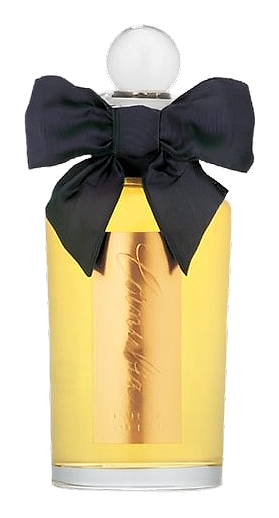
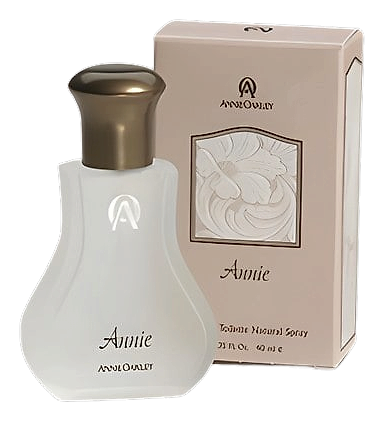
Annie is a love letter to the Annie Oakley name, rooted in a brand identity built around the mythology of the American frontier. The signature women's release skips the leather and sagebrush and goes straight for romance: a green, white-floral heart built around rose and lily of the valley. It was meant to smell like the softer side of the West, a floral take rather than a smoky, saddle-leather one. Still in production after its initial launch, with sources placing that launch somewhere in the 1980s (Fragrantica citing 1980, Parfumo citing 1985), it hasn't changed its tune. The juice in the bottle today is recognizable as the same composition that introduced itself decades ago, built on that green-and-white-floral axis that defines the house's most romantic release.
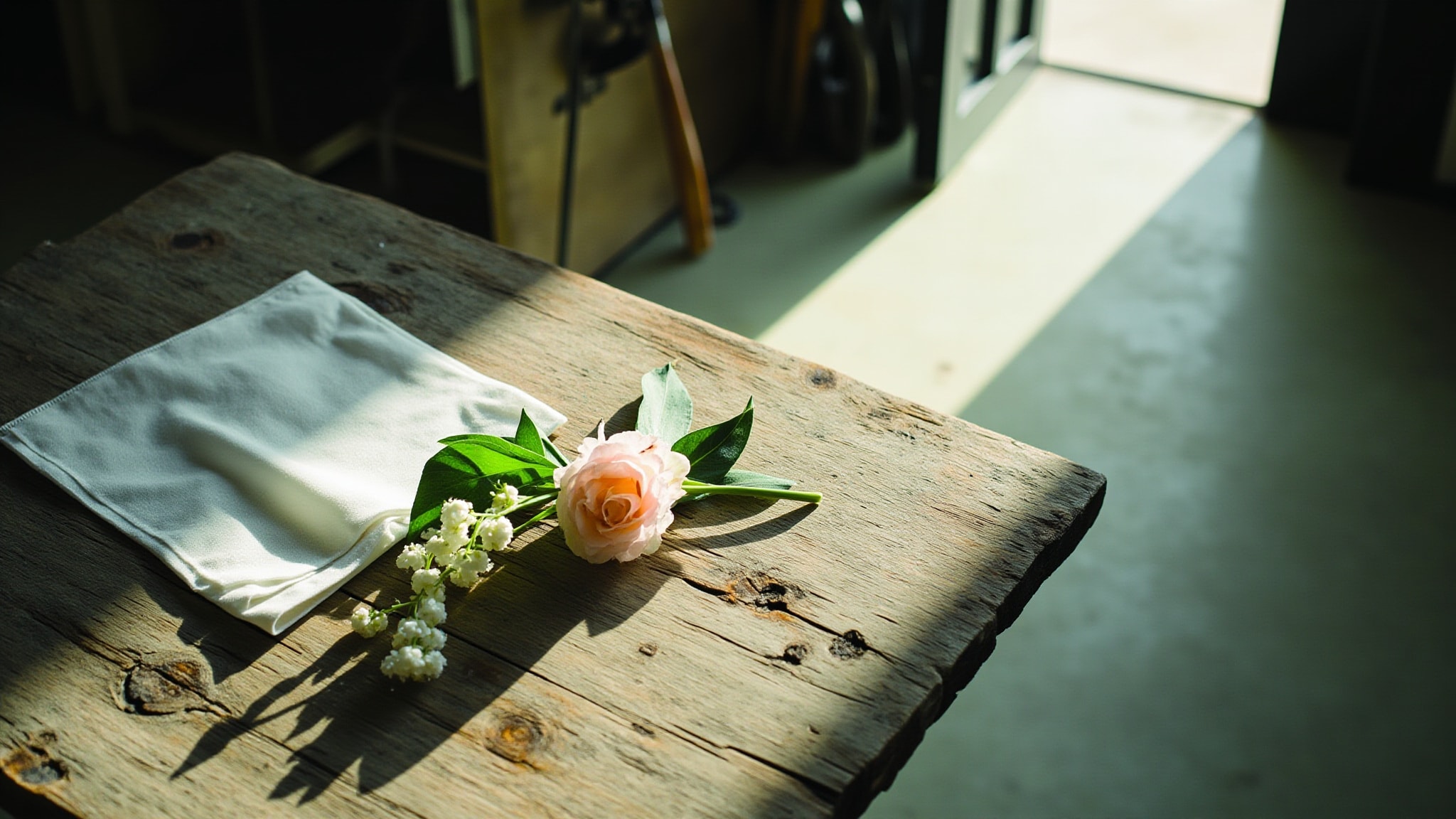
The composition earns its quiet reputation through restraint. Lily of the valley and rose anchor the heart, two florals that share the spotlight without crowding each other, and the green notes wrapped around them do the heavy lifting. The green character doesn't try to recreate a specific landscape. It just suggests crushed leaves and cool air, an impression rather than a location. That narrowness is the point. Annie refuses to be more than one thing, and that discipline is what makes it last.
The evolution
The opening is the greenest stretch. The listed green notes set the stage before the florals fully wake up, giving the first moments a crisp, leafy quality that smells less like a finished perfume and more like something still growing. The white florals settle in soon after. Lily of the valley arrives first, with its dewy, cucumber-cool sweetness, then rose folds through underneath, never jammy, always powder-fresh and a little green at the stem. The heart holds steady for hours, staying close to skin with a soft, soapy warmth that feels both familiar and slightly old-fashioned. The greenness gradually recedes, and what remains is a clean, powder-soft skin scent that clings to fabric. It doesn't morph dramatically from one phase to the next, but that consistency is part of the comfort.
Cultural impact
Annie occupies a small but real corner of American fragrance history as a green-and-white floral that carved out space for a softer kind of Western-themed perfumery. Rather than leaning on smoke, leather, or spice to telegraph its inspiration, the fragrance bets everything on rose, lily of the valley, and a confident green note, a choice that sets it apart from more aggressive flankers in the Western fragrance category. Years after its initial release in the 1980s (sources disagree on the exact year), Annie remains in production, which says something about the audience it found.