The Story
Why it exists.
The beginning
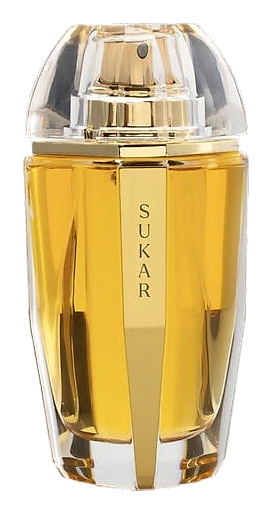
Sukar, from the Arabic word for sugar. In Gulf fragrance culture, sweetness isn't a guilty pleasure. It's a statement. A declaration that the wearer arrived, that the evening matters, that the room should know it. Anfasic built this fragrance around that logic: what happens when you take the region's love of rich, opulent scent and push it until it can no longer be ignored? Sukar is the answer, bottled. Pear and guava open first, bright, tropical, immediately sweet. This is not a subtle beginning. Then the heart pivots: tonka bean softens the fruit into something warmer, while patchouli grounds it in earth. By the base, agarwood arrives to do what Gulf oud does best, absorb the sweetness, deepen it, make it last. Musk anchors everything into skin. The result is a fragrance that smells expensive because it smells complete: sweet enough to catch attention, structured enough to earn it. Sukar exists because some wearers want to be found.
The choice of tonka bean over jasmine or rose is deliberate. Tonka bean doesn't compete with fruit, it collaborates. It takes the pear-guava brightness and folds it into something vanillic, almost gourmand, without ever crossing into dessert territory. Patchouli does the quiet work here: its earthy, slightly bitter finish prevents the composition from becoming cloying, giving Sukar the structure that keeps it interesting three hours in. The real surprise is what the oud does at the base. In many oriental fragrances, oud leads with smoke, with darkness, with force. Here it arrives late and gentle, not to dominate but to absorb. It takes the sugar and makes it skin.
The evolution
The opening announces itself immediately. Pear and guava arrive together, bright, juicy, almost candied. There's no hesitation here. For the first twenty to thirty minutes, this is pure tropical sweetness, the kind that turns heads across a room. Then the handoff begins. Tonka bean softens the fruit into something warmer, slower. Patchouli arrives next, not earthy, but rounded, smoothing the edges of the fruit until the whole composition feels like it knows what it's doing. By the second hour, oud settles in at the base, giving the sugar something to hold on to. Something that won't let go. The drydown is where Sukar earns its name. Musk and oud work together, sweet wood, warm skin, a quiet animalic undertone that lingers. On fabric, this lasts into the evening. On skin, it fades gracefully, leaving a warm residue that smells like the wearer but better.
Cultural impact
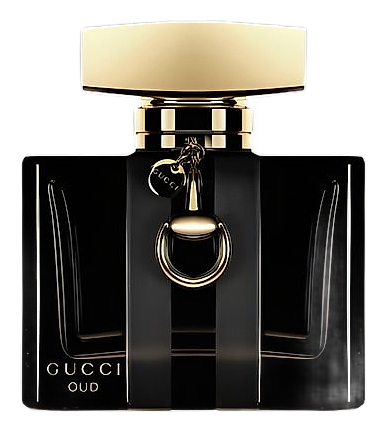
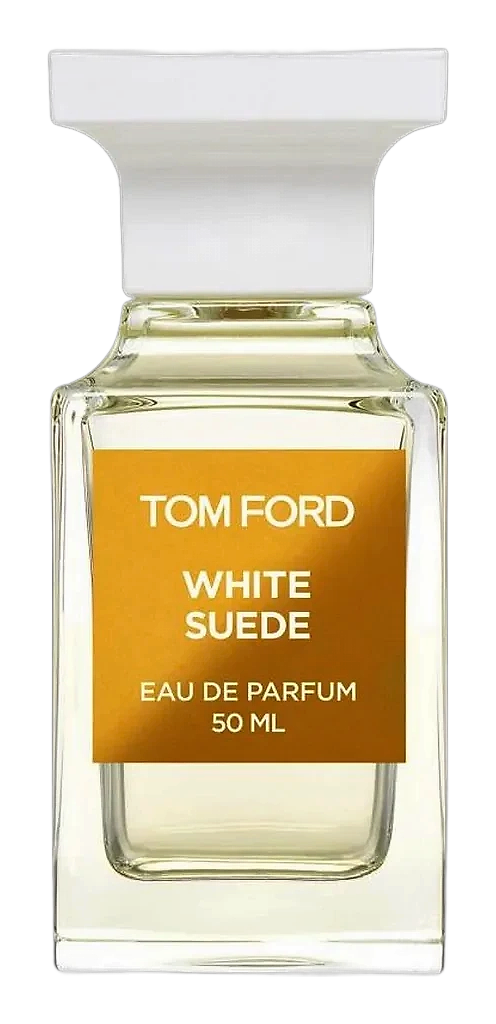
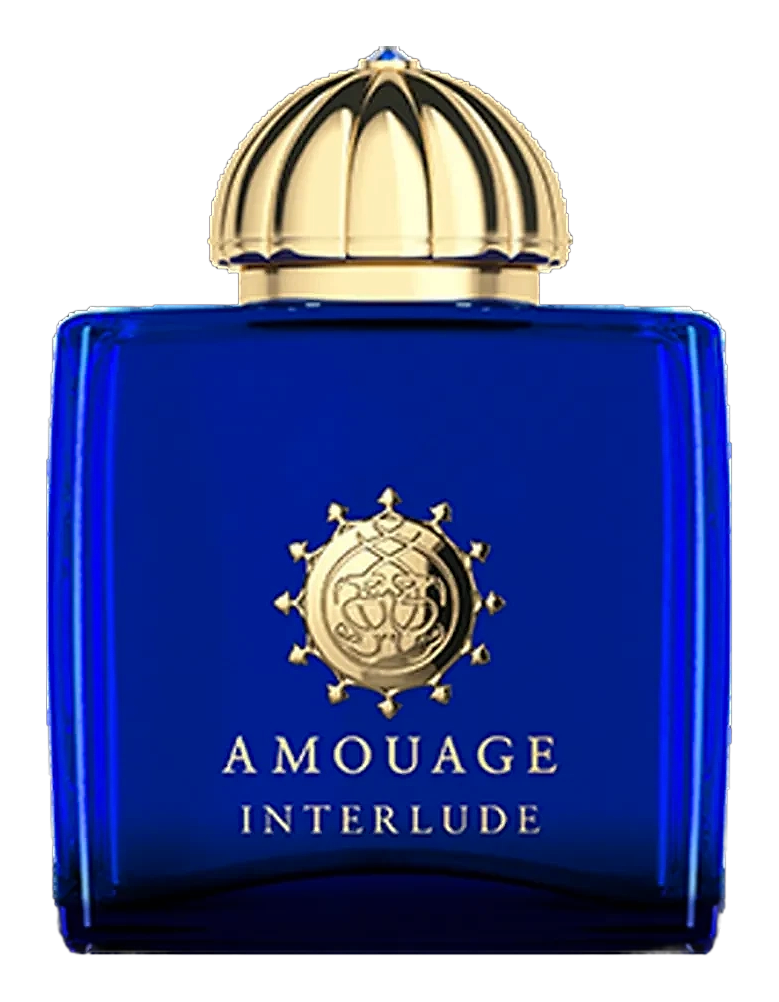
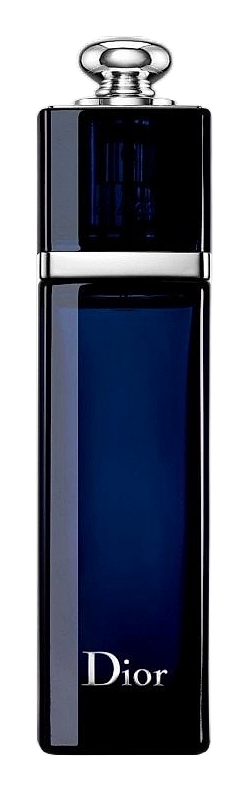
Sukar occupies a deliberate position in the Gulf fragrance landscape: sweet, intense, and unapologetically edible. In a region where richness is a preference rather than a risk, this fragrance answers a specific demand, the wearer who wants to be found, not blended. The sweet-fruity orientation sets it apart from the smoky, resinous oud-forward compositions that dominate regional offerings, making it more approachable for newer fragrance wearers while still delivering the depth that longtime collectors expect from a Gulf house. Sukar draws comparisons to mainstream orientals like Gucci by Gucci and Dior Poison, though it sits in a different register entirely, sweeter, warmer, more forgiving.