The Story
Why it exists.
The beginning
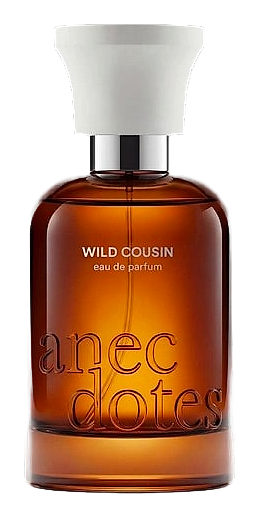
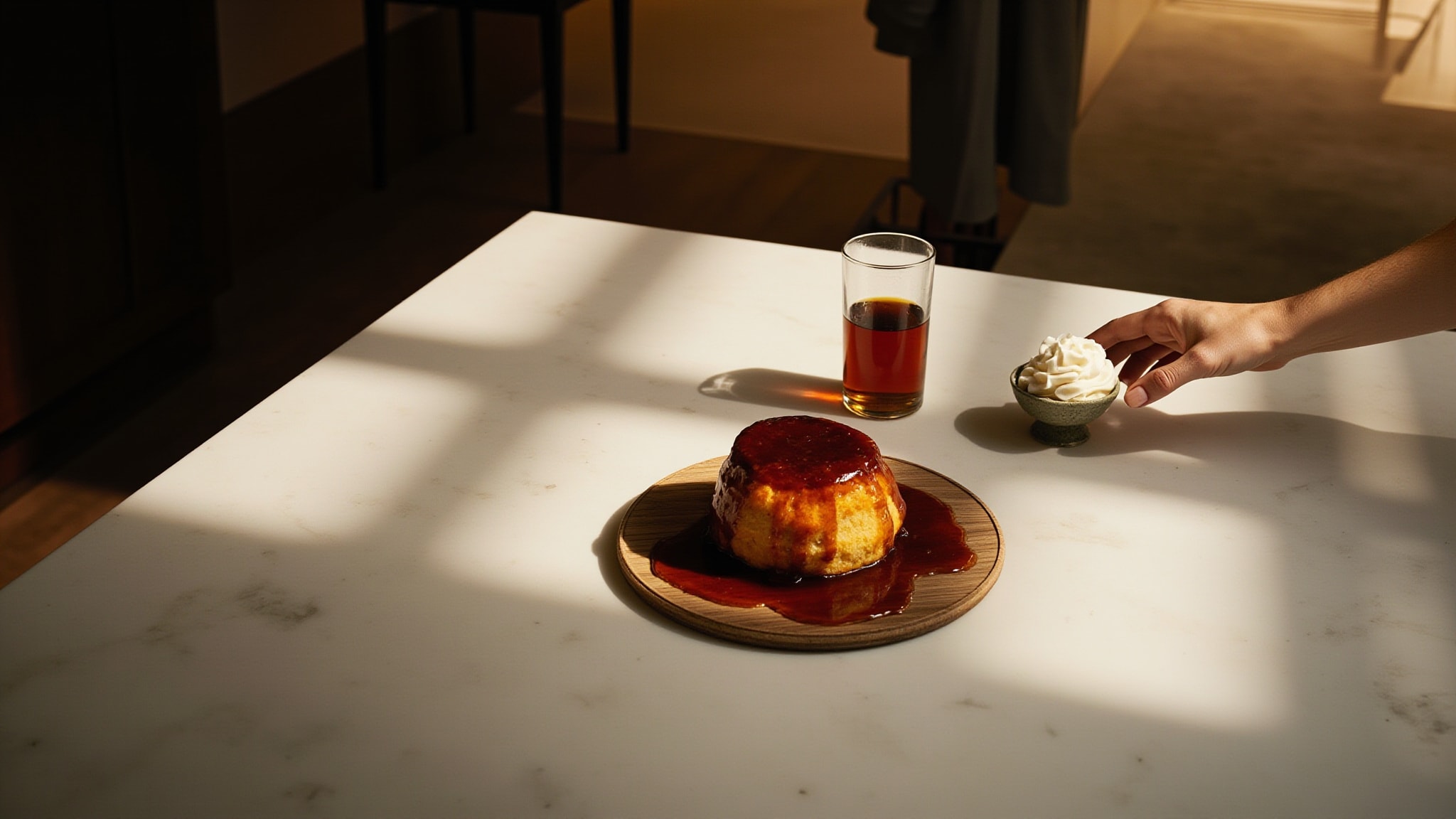
Wild Cousin is Patricia Choux's riff on baba au rhum, the rum-soaked sponge cake that anchors French patisserie counters. Choux, the perfumer behind this fragrance, treats the cake as the unmistakable point of the composition. The cream is the point. The rum, absolutely the point. What holds it all together is a layer of oak that makes the sweetness feel like a choice rather than an accident. The baba reference runs deep in French pastry tradition, a soaked sponge that takes its character from the syrup poured over it rather than from any delicacy of decoration. Here, Choux takes that logic and translates it into olfactory terms: the rum provides the soaking, the cake note carries the syrup-soaked weight, and the cream rounds the edges into something approaching edible.
Most gourmands stop at edible. Choux pushes past that line with davana, a flower used in Indian perfumery that carries a fermented, almost boozy sweetness on its own. Paired with rum, it amplifies the cake's alcoholic warmth without redundancy. Oak wood at the base does something less obvious: it introduces a dry, structural note that prevents the cream and chantilly from collapsing into pure sugar. The composition reads as edible first, perfumed second, which is harder to build than it sounds. The trick is letting the dessert notes stay loud while the architecture stays quiet underneath.
The evolution
The opening belongs to rum, warm and sharp, arriving without preamble. Cream follows close behind, rounding the alcohol into something that reads as edible in the best way. The cake note settles in quickly, grounding the sweetness with a buttery density. This is sweet, unapologetically sweet, and the composition makes no attempt to dilute that fact. As the initial burst softens, the davana makes its presence known. It brings a fermented, almost herbal warmth that complicates the dessert accord, pushing the fragrance away from the pastry case and toward something more adult and considered. The davana introduces a quiet tension between sweetness and depth, and it lingers as a bridge between the gourmand opening and what comes after. The oak begins to assert itself as the composition matures, its dry woodiness grounding everything in a structural counterweight that wasn't obvious earlier.
Cultural impact
Wild Cousin places a rum-soaked dessert accord at the center of an eau de parfum, and the composition makes a case for gourmands with structural ambition rather than purely sugary excess. The fragrance leans into cake and cream notes that have populated online perfume discourse in recent years, riding that current while keeping an oak wood base as a counterweight. By pairing overt sweetness with dry oak, the composition pushes back against the idea that gourmand fragrances must sacrifice depth for immediate appeal.