Baba (Italian dessert)
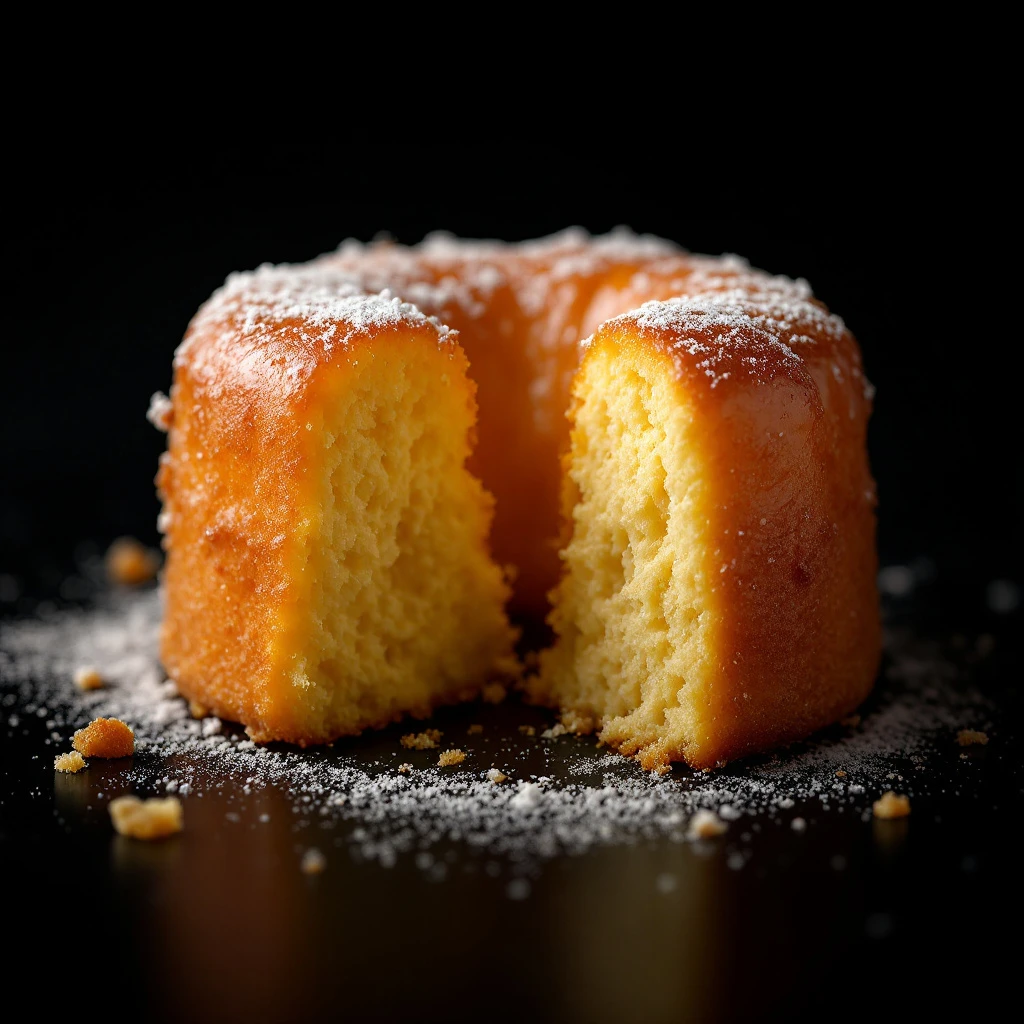
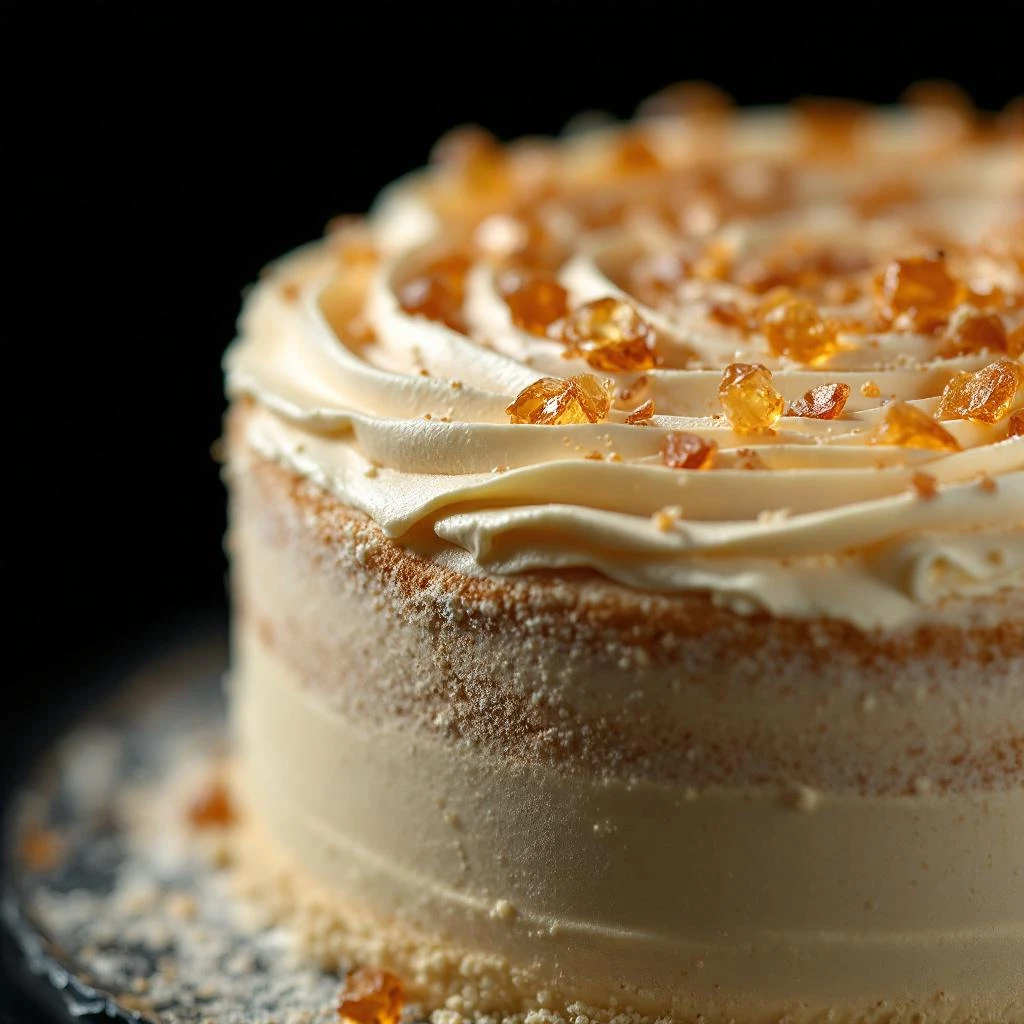
Baba is an Italian-inspired dessert note built around rum-soaked sponge cake, offering rich boozy warmth, golden vanilla sweetness, and a soft yeasted texture translated into scent.
Character
How it smells
Rum-soaked sweetness from Naples
The dessert was invented in 18th-century Lorraine by exiled Polish King Stanisław Leszczyński, who soaked a dry Alsatian Kouglof in liquor to soften it.
Pairs beautifully with
Origin
Italy
The babà traces a remarkable route across three European cultures before becoming a Neapolitan icon. In the early 18th century, exiled Polish King Stanisław Leszczyński lived in Lorraine, where he found a local Kouglof too dry for his taste. According to legend, he soaked the Alsatian cake in sweet wine or liqueur to revive it, accidentally creating the rum baba.
The pastry spread through French patisserie, refined in Paris into baba au rhum, a small yeasted cake saturated with rum syrup and filled with pastry cream. In the nineteenth century, chefs trained in France, called monsù in southern Italy, brought the recipe to Naples. There the babà took on its definitive form: tall, soft, dripping with rum, served in the port city's cafes and bakeries.
Naples embraced the dessert as a point of regional pride, and babà al rum became a symbol of the city's sweet culinary identity. Today it appears in fragrance work as a gourmand reference to boozy confectionery, evoking the golden, syrup-laden character of the original Neapolitan pastry.
Wears it best
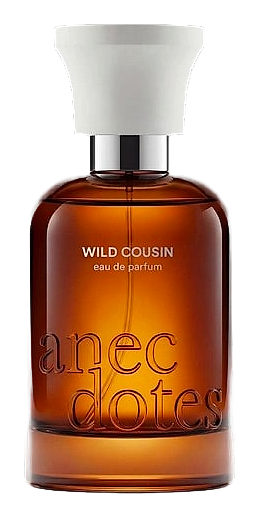
Fragrances featuring Baba (Italian dessert)
Brands
Brands known for Baba (Italian dessert)
Good to know
Questions, answered
The essentials on Baba (Italian dessert) in perfumery: how it smells, where it comes from, and how it behaves on skin.
What does baba smell like in a fragrance?
Baba is a gourmand note that smells like rum-soaked sponge cake: warm boozy sweetness from rum accords, creamy vanilla undertones, and a soft yeasted richness. It often carries buttery caramel depth reminiscent of the Neapolitan pastry.
Is baba a natural or synthetic ingredient?
Baba is not a natural extract. Perfumers reconstruct it using aroma molecules such as vanillin, rum ether (ethyl esters), furaneol, and pyrazines to evoke the syrup-soaked character of the dessert.
Where does the babà dessert originate?
The babà originated in 18th-century Lorraine, France, where exiled Polish King Stanisław Leszczyński soaked a dry Alsatian Kouglof in liqueur. It later became iconic in Naples after French chefs brought the recipe south.
Why is baba associated with Naples?
Babà al rum became a Neapolitan signature in the nineteenth century when French-trained chefs, known as monsù, introduced the pastry to southern Italy. Naples adopted and elevated the rum-soaked version as a local specialty.
What fragrances typically feature the baba note?
Baba appears in modern gourmand perfumes, often paired with vanilla, caramel, and pastry accords. It also features in boozy or amber compositions where rum-like sweetness anchors the heart notes.
How does baba differ from plain rum in perfumery?
Plain rum notes emphasize the distilled spirit's sharp alcoholic facet, while baba adds the softer context of dough, butter, syrup, and pastry cream. The result reads richer and more confectionary, evoking cake rather than the spirit alone.
Is baba safe to wear for people with fragrance allergies?
As a reconstructed accord without natural plant material, baba carries different allergen considerations than botanical notes. Vanillin and certain esters may sensitize some wearers, so checking the full ingredient list remains important.
Can baba notes smell authentic if no actual cake is used?
Yes. Skilled perfumers combine vanillin, rum ethers, diacetyl, and pyrazines to recreate the round, syrupy impression of rum-soaked sponge with convincing realism, even though no literal dessert ingredient enters the formula.