
The Story
Why it exists.
The beginning
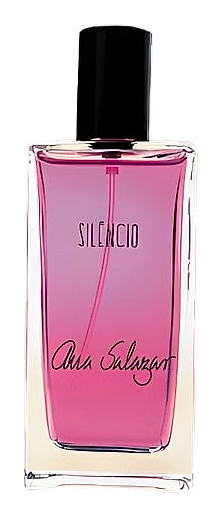
Silencio arrived in 2004 from Ana Salazar, the Portuguese fashion designer who entered fragrance in 1989. The name is the concept. Silence, not absence, but presence held close. Her minimalist approach to naming carried through: this fragrance is called what it is. No metaphor, no narrative. The provocative campaign featuring a model dressed as a nun only sharpened the point: silence can be its own kind of statement.
The note structure makes the contradiction literal. Clove dominates, it's warm, aromatic, almost feverish. But chamomile enters the heart like an herbal corrective, softening what could become aggression. The citrus top notes (lime, mandarin orange) arrive first and retreat quickly, leaving space for the real conversation: spice against calm, heat against restraint. Cedar and musk don't resolve the tension. They simply hold it close.
The evolution
Lime and mandarin orange hit first, bright, citrus-sharp. But the clove doesn't wait. It arrives within minutes, reshaping the opening. The citrus doesn't vanish. It hides beneath the spice, a memory of brightness now rewired. The heart shifts the temperature. Chamomile introduces a quietly herbal quality that softens the ginger and cinnamon. The warmth remains, but it stops demanding. It simply is, the heat of afternoon light through glass, not the heat of a fire that needs feeding. The drydown belongs to cedar and musk. Virginia cedar brings dry wood, a slight pencil-shaving edge that grounds everything. Musk softens the finish, brings it skin-close. This is where Silencio earns its name. The projection drops. The sillage becomes intimate. The wearer becomes the only one who notices, and that's exactly right.
Cultural impact
Silencio occupies a particular space, Portuguese artistic sensibility meets niche fragrance conviction. The 2004 release predates the global explosion of independent perfumery but shares its ethos: interesting over safe, personal over commercial. The provocative nun campaign positioned it as a fragrance with a point of view, not a product seeking universal appeal. For wearers who found it, it tended to stay.