The Story
Why it exists.
The beginning
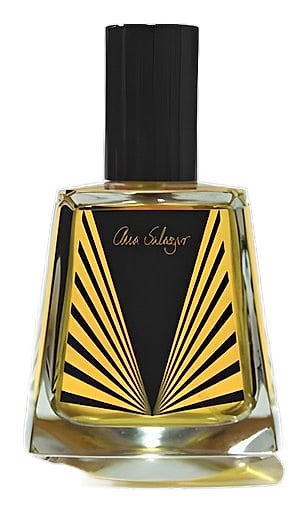
Alberto Morillas and Ana Salazar returned to the lab in 2009 to do something with her 1989 debut fragrance that most houses never attempt: a proper reimagining. Vintage is not a limited reissue or a flank with a modifier. It's a new composition that traces the same emotional territory, citrus, white florals, and something grounded underneath, but arrives with two decades of perspective. Salazar's fashion sensibility runs through the structure like a signature. Avant-garde doesn't mean complicated. It means intentional. Morillas understood the assignment: build something that feels like her, not like a trend she might have chased.
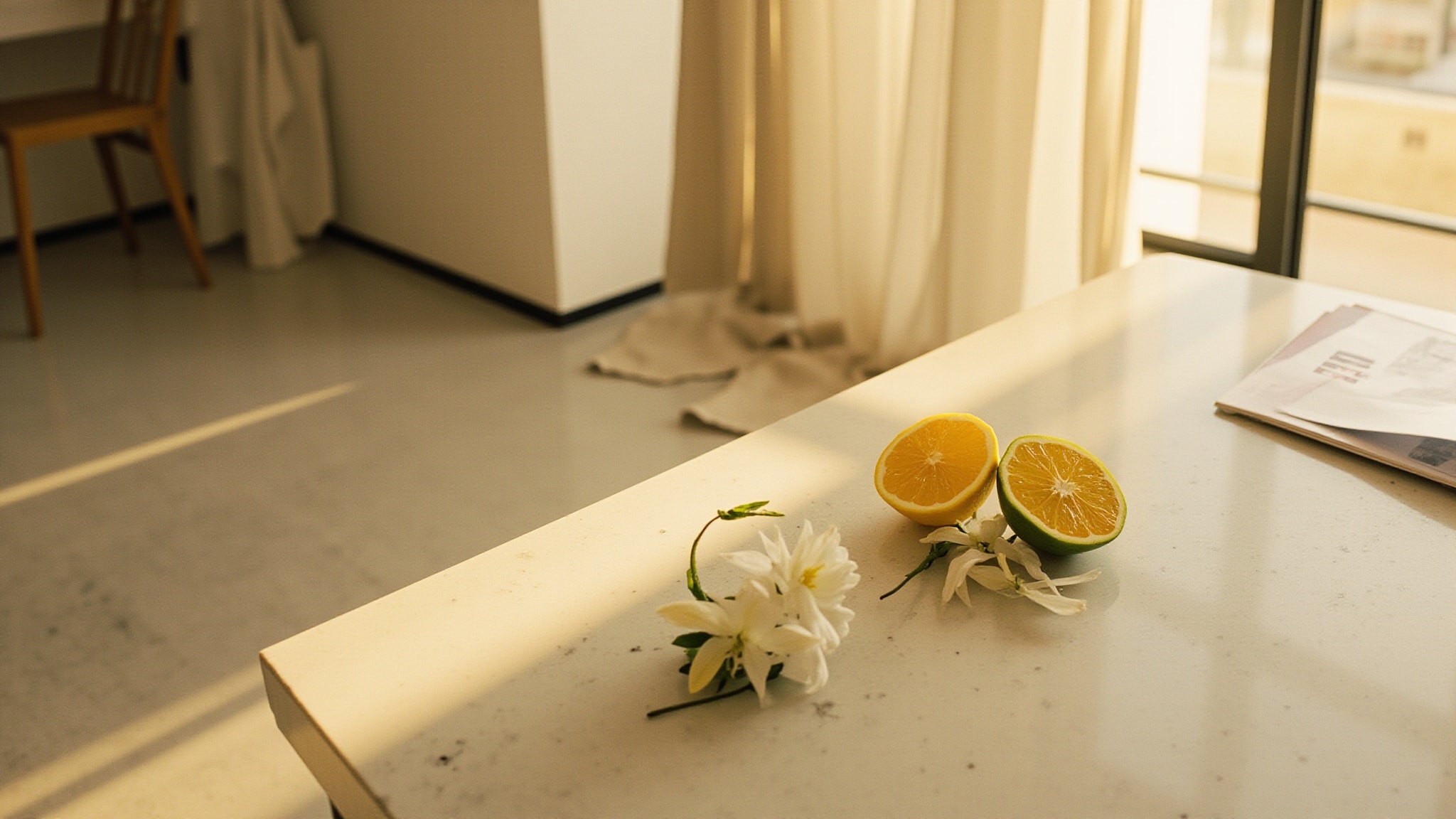
The jasmine does something unexpected here. It doesn't behave like a middle note passing through on its way somewhere else. Neroli from Grasse gives it company, clean and green, and together they become the fragrance's actual core. Patchouli anchors everything, but doesn't swallow it. Musk and cedar hold their end of the arrangement without drawing attention. The result is a white floral that doesn't apologize for what it is. In a decade when florals were often softened, sweetened, or buried under gourmand notes, Vintage made jasmine the point. Not everyone wanted to hear it. Those who did, remembered it.
The evolution
The bergamot and Amalfi lemon arrive together and announce themselves clearly, bright, Mediterranean, present. Ten minutes in, the citrus begins to recede as jasmine steps forward, indolic and insistent. Neroli follows, softer, giving the florals a clean edge. The patchouli doesn't hide. It underpins the florals from the start but becomes more apparent in the drydown, when the lemon has faded and the jasmine is still holding. The musk and cedar arrive around the two-hour mark, wrapping everything in a warmth that stays close to skin. On most, this lasts four to six hours. On fabric, the florals fade faster but the cedar holds longer than on skin, a ghost of the morning after.
Cultural impact
Ana Salazar Vintage occupies the space between fashion-world recognition and broad accessibility. Those who encountered it tended to remember it. The jasmine-forward structure sets it apart from contemporary florals, and its Portuguese designer origins give it a specificity that mass-market compositions rarely achieve.