The Story
Why it exists.
The beginning
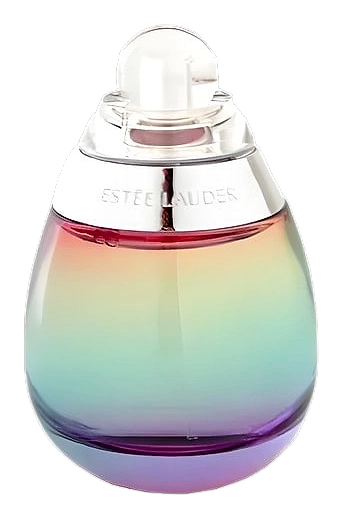
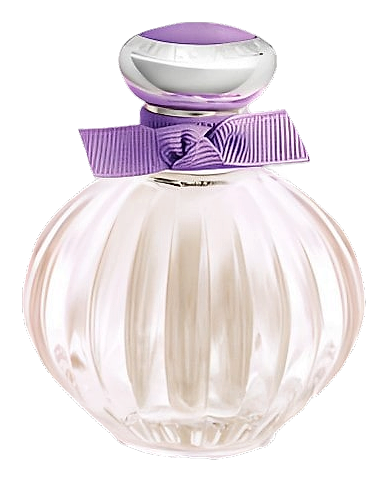
American Beauty launched the Beloved series in 2008, building its fragrance identity around a simple proposition: rose and florals, done cleanly, without apology. Purple Blossom arrived in 2009 as part of that ongoing exploration, not a single floral, but an entire garden compressed into a bottle. The brand's BeautyBank origins within Estée Lauder gave it the resources of a luxury house but the positioning of something accessible, which meant the florals had to land immediately, resonate broadly, and ask nothing of the person wearing them. The concept was lilac, specifically the idea of lilac as a seasonal shorthand for something beautiful and brief, worth savoring before it passes. That urgency, that sense of a fleeting moment you want to hold onto, is the emotional core of the fragrance.
What makes Purple Blossom interesting from a composition standpoint is the tension between volume and coherence. Twelve notes, lilac, peony, jasmine, gardenia, honeysuckle, mimosa, pear, grapefruit, lily, iris, orris, sandalwood, should produce noise. Instead, the formula seems to funnel everything toward lilac as a dominant voice, with the other florals acting as support and saturation rather than independent threads. The grapefruit at the opening keeps the whole thing from becoming syrupy; the sandalwood in the base keeps it from disappearing entirely.
The evolution
The grapefruit appears first, bright and citric for about ten minutes before lilac barges into the composition and takes over entirely. Peony and jasmine add softness underneath, but this is a lilac statement from the first spray. In the heart phase, the white florals layer densely, gardenia, honeysuckle, mimosa blur together into a saturated floral mass that some find beautiful and others find hard to parse as individual notes. By hour three, iris and sandalwood arrive as a drydown that should be powdery and woody. The twist: lilac doesn't leave. It outlasts everything, holding on for the full duration on skin and fabric, casting a cold floral shadow across the iris and wood for the remaining hours. Not loud by the end, intimate, insistent, a floral ghost that refuses to fully dissipate.
Cultural impact
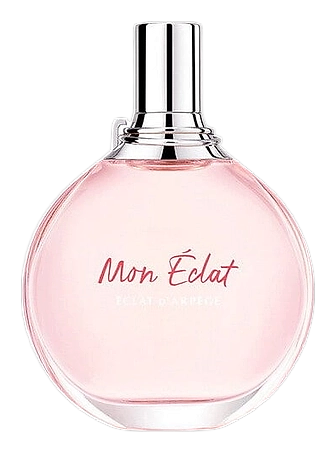
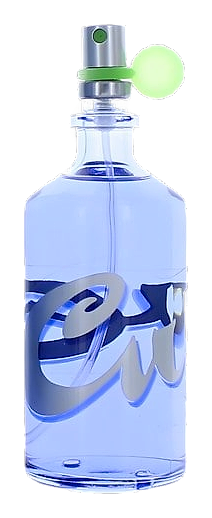
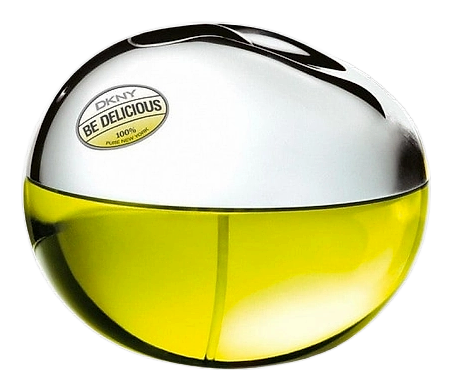
This fragrance exists in the broad middle of the American department store fragrance landscape, where florals were designed to smell expensive without the price tag. Peers from the same era include Lanvin Eclat d'Arpège, Liz Claiborne Curve, and DKNY Be Delicious, fragrances that aimed for immediate likeability over complexity. The community reception is mixed, with some finding the floral density refreshingly direct and others noting a certain sameness to the composition. That division is not unusual for a fragrance positioned at maximum accessibility.