


Heritage
A house, in its own words
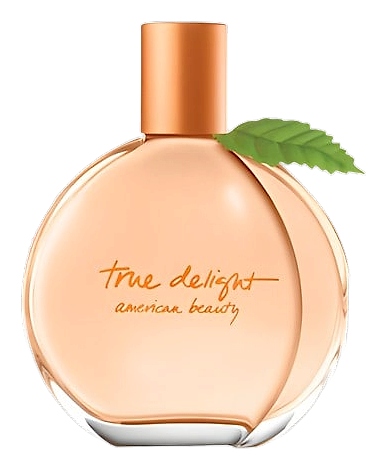
The American Beauty brand traces its origins to 2004, when Estee Lauder Companies established BeautyBank as an innovation laboratory for developing new beauty concepts outside the corporation's main brand portfolio. BeautyBank operated as a separate division tasked with identifying white spaces in the beauty market and launching experimental brands with distinct positioning strategies. American Beauty was among its first major launches, conceived to compete in the mid-tier fragrance segment that had historically been dominated by heritage European houses. The brand name itself carried intentional resonance, referencing both the iconic American rose and the broader cultural notion of beauty as an aspirational ideal. Rather than drawing on French perfume traditions or Italian craftsmanship narratives common to prestige fragrance houses, American Beauty positioned itself as a distinctly American creation. The brand benefited from Estee Lauder's manufacturing infrastructure and distribution networks, allowing rapid market entry through department store counters nationwide. BeautyBank represented Estee Lauder's strategic response to declining department store fragrance sales in the early 2000s, experimenting with more accessible price points and trend-driven concepts. The American Beauty line operated alongside other BeautyBank brands, sharing resources while maintaining distinct brand identities. Market analysts have noted that the brand's timing coincided with a period when major fragrance houses were reevaluating their approach to younger consumers, making American Beauty a case study in mass-market fragrance development by luxury conglomerates. American Beauty operated on the principle that fragrance should function as an accessible form of self-expression rather than an exclusive luxury. The brand reportedly aimed to democratize the fragrance experience, offering scents that allowed everyday consumers to explore scent preferences without requiring extensive knowledge of perfumery traditions. The creative direction emphasized immediacy and emotional resonance, prioritizing how a fragrance made someone feel over technical olfactory complexity. American Beauty fragrances typically featured recognizable note profiles that communicated their character clearly: bright florals announced themselves without requiring patience, while gourmand compositions offered warmth and comfort. The brand philosophy reportedly valued authenticity in scent creation, avoiding overly abstract or challenging compositions that might alienate casual fragrance wearers. Rather than positioning scent as an art form requiring education to appreciate, American Beauty treated fragrance as a personal accessory comparable to color cosmetics. This approach aligned with the broader BeautyBank strategy of building brands around specific consumer occasions and emotional benefits. The line reportedly sought to create signature scents in the truest sense: fragrances that could become integral to an individual's identity rather than occasional special-occasion purchases.