The Story
Why it exists.
The beginning
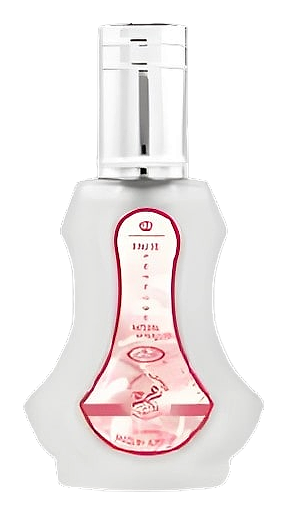
Cherry Flower began as an attempt to bottle something fragile: the two-week window when cherry trees go from bare branches to full bloom. That annual transformation, sudden, fleeting, slightly overwhelming, is the perfumer's reference point. The fragrance doesn't chase the fruit. It chases the air around the tree. The petals falling. The silence between blooms. Al Rehab's philosophy of accessible quality shaped the brief: this had to be elegant, wearable, and honest, no abstraction for its own sake. Just a clear idea, executed well.
What makes Cherry Flower distinctive is the tea rose. Not damask, not centifolia, tea rose. It's a quieter rose, with a slightly green, almost citrusy edge that separates this from powdery florals that blur together. Paired with water lily, it keeps the heart from becoming heavy or overwrought. The orris root in the base is the quiet workhorse: it provides the powder without the typical iris coldness. Currant buds are the odd note out in the best way, a green, almost tart accent that gives the opening something to bite with, keeping the bergamot from reading as generic citrus.
The evolution
The opening is quick and bright. Bergamot and currant buds arrive together, citrus sharp then green-tart, lasting maybe 20 minutes before the florals take over. The heart phase owns this fragrance. Cherry blossom blooms into something powdery within the first hour, the transition is gentle, not a hard pivot. Water lily keeps the air feeling damp and fresh. Tea rose adds a green, almost astringent quality that stops the florals from going sweet. This phase holds for 3-4 hours. The drydown is where white musk does its work: close to skin, clean, with the orris root providing powdery softness and vetiver adding just enough earth to keep everything grounded. The vetiver is subtle here, not smoky, not dirty, just present enough to remind you this started with something green. Those who connect with this fragrance report it carries through a full workday without needing reapplication.
Cultural impact
Cherry blossom holds deep cultural weight in East Asian traditions, particularly in Japan where the annual sakura season becomes a national moment of reflection and beauty appreciation. In perfumery, cherry blossom, known as sakura, presents a unique olfactory challenge because the actual flower scent is remarkably subtle. This has pushed fragrance houses to develop creative interpretations that capture the poetic essence rather than literal botanical accuracy. The scent has become associated with renewal, the fleeting nature of beauty, and springtime optimism. Western fragrance enthusiasts have developed an appreciation for these nuanced floral interpretations, seeking them out for their ability to evoke atmosphere and sentiment rather than loud, immediate impact.