The Story
Why it exists.
The beginning
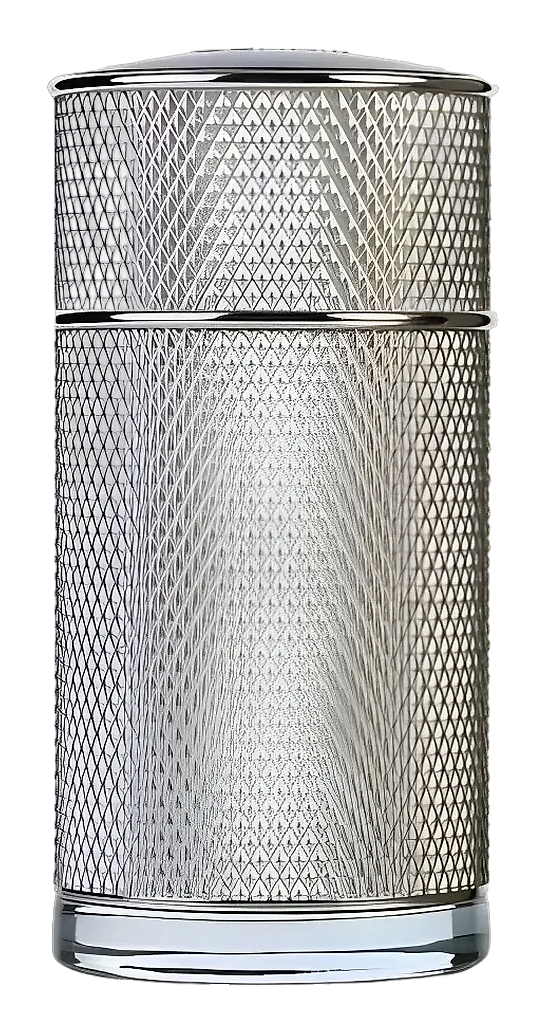
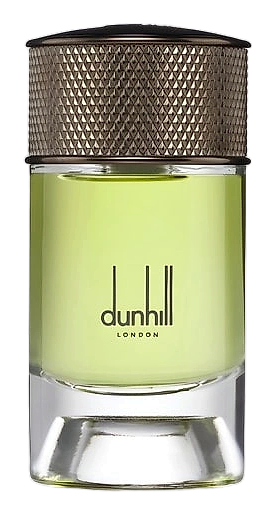
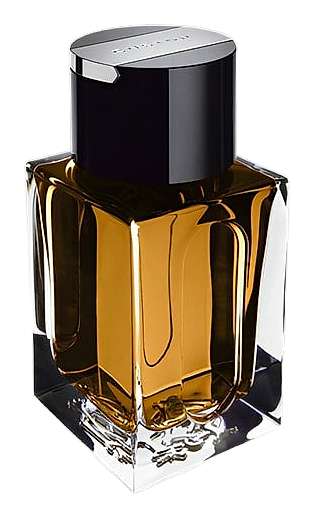
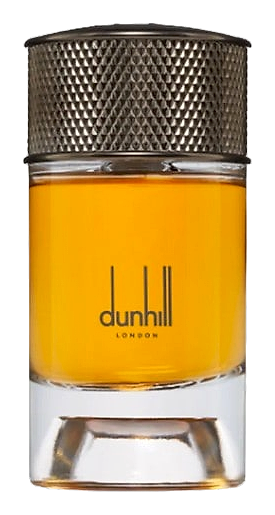
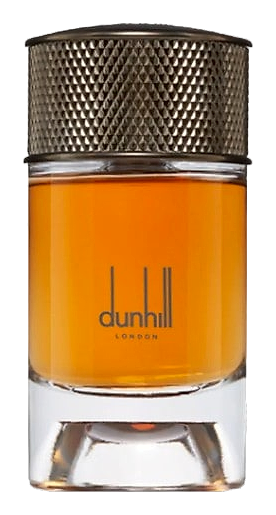
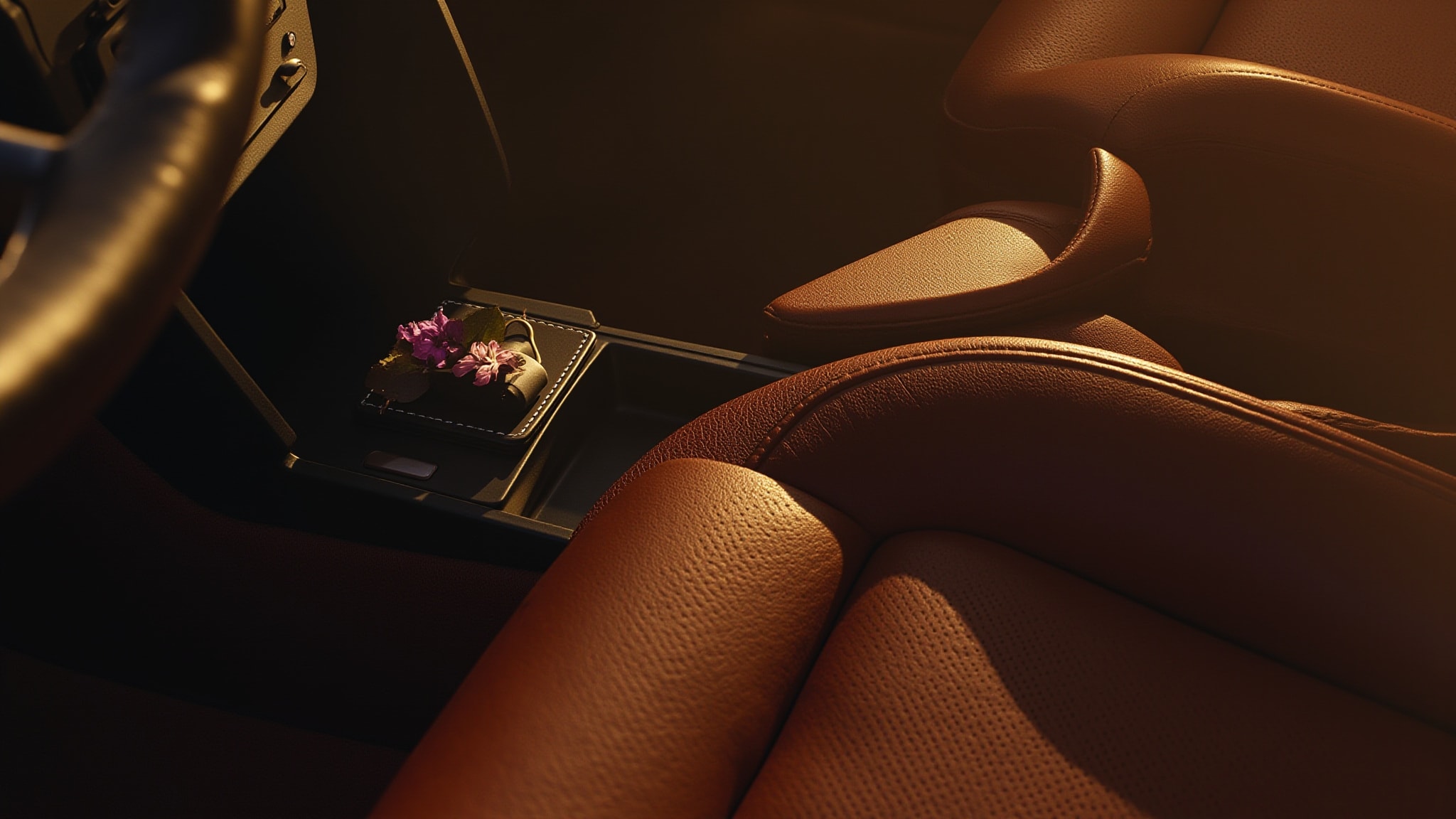
British Leather arrives in 2019 as part of the Signature Collection, a line that treats individual notes as the subject matter rather than the backdrop. Perfumer Pierre Negrin reached for the house's founding material and asked a simple question: what does leather smell like when it doesn't have to prove anything? The answer is this fragrance, structured, confident, and slightly unexpected. The composition opens with bright citrus facets that quickly give way to green, slightly waxy notes that create an unexpected softness. The leather heart emerges gradually, not sharp or aggressive but warm and textured, like a well-worn accessory that has become part of your daily life.
The note structure is unusually clean for a leather fragrance. Where most compositions bury hide under smoke or spice, British Leather uses bergamot as an opener and violet leaf as a bridge, letting the leather arrive on its own terms in the base. This creates a progression that feels linear rather than dramatic, a scent that builds rather than explodes. The result is a fragrance that reads as understated without being quiet. It's leather for someone who already knows what leather smells like.
The evolution
The bergamot opens crisp and citrus-bright. The violet leaf follows, green, slightly waxy, almost herbal. The hand-off is smooth, not a jarring shift but a gradual softening. Then the leather arrives. Not the sharp, almost acrid hide of industrial leather fragrances, something rounder, more textured, like a well-made jacket that has been worn a few times. As the fragrance develops, the composition settles into a quieter register, projecting close rather than announcing itself. The leather remains present though no longer dominant, and on fabric the drydown can carry a subtle trace well into the following hours, a quiet signature rather than a lingering statement. The overall impression is one of composed refinement, each note taking its turn without stepping on what came before or what comes after.
Cultural impact
British Leather occupies an unusual position in the leather fragrance category. It delivers the material without the drama, staying composed where other expressions might lean into smoke, tar, or animalic intensity. The composition presents leather in a way that feels refined and restrained, almost like a well-made accessory rather than a statement. This approach aligns with the brand's broader positioning around understated British refinement, suggesting a scent of someone who doesn't need to announce themselves because they already know where they stand.
The House
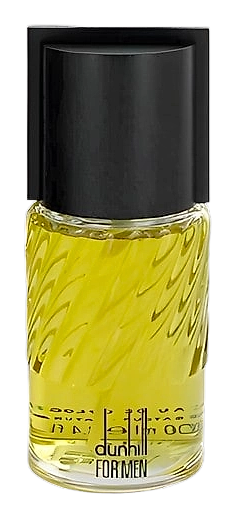
Alfred DunhillAlfred Dunhill began as a British leather and motor‑accessory workshop in 1893, founded by a young Alfred Dunhill in Westminster, London. The house grew into a diversified lifestyle brand, adding a fragrance line in 1934 with the debut of Dunhill for Men. Over the decades the brand has released a steady stream of scents that echo its British roots – English Lavender (1970), Blend 30 (1978), Dunhill Burgundy (1980) and, more recently, Agar Wood (2020) and Mongolian Cashmere (2022). Today Dunhill positions its perfumes as extensions of its heritage of craftsmanship, offering modern gentlemen a quiet confidence that feels both timeless and contemporary.
The Creator
Pierre NegrinNegrin's signature lies in restraint married to intensity. He favors earthy, animalic, and spicy materials and has demonstrated a particular mastery of complex oriental structures, as proven by his celebrated work for Amouage.