The Story
Why it exists.
The beginning
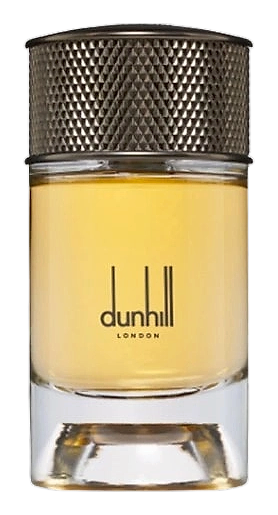
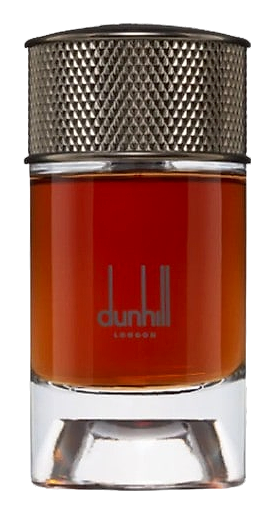
The name says everything it needs to. Arabian Desert is Alexandra Monet's study of contrast, the harsh, luminous expanse of the Arabian Peninsula distilled into something a well-traveled man would actually wear. Not a love letter to the landscape, but a conversation with it. She chose the tension as the point: rawhide and rose, smoke and sweetness, the heat of open sand meeting the cool of night-blooming flowers. It exists because someone finally asked what happens when British restraint meets Arabian warmth, and the answer was this.
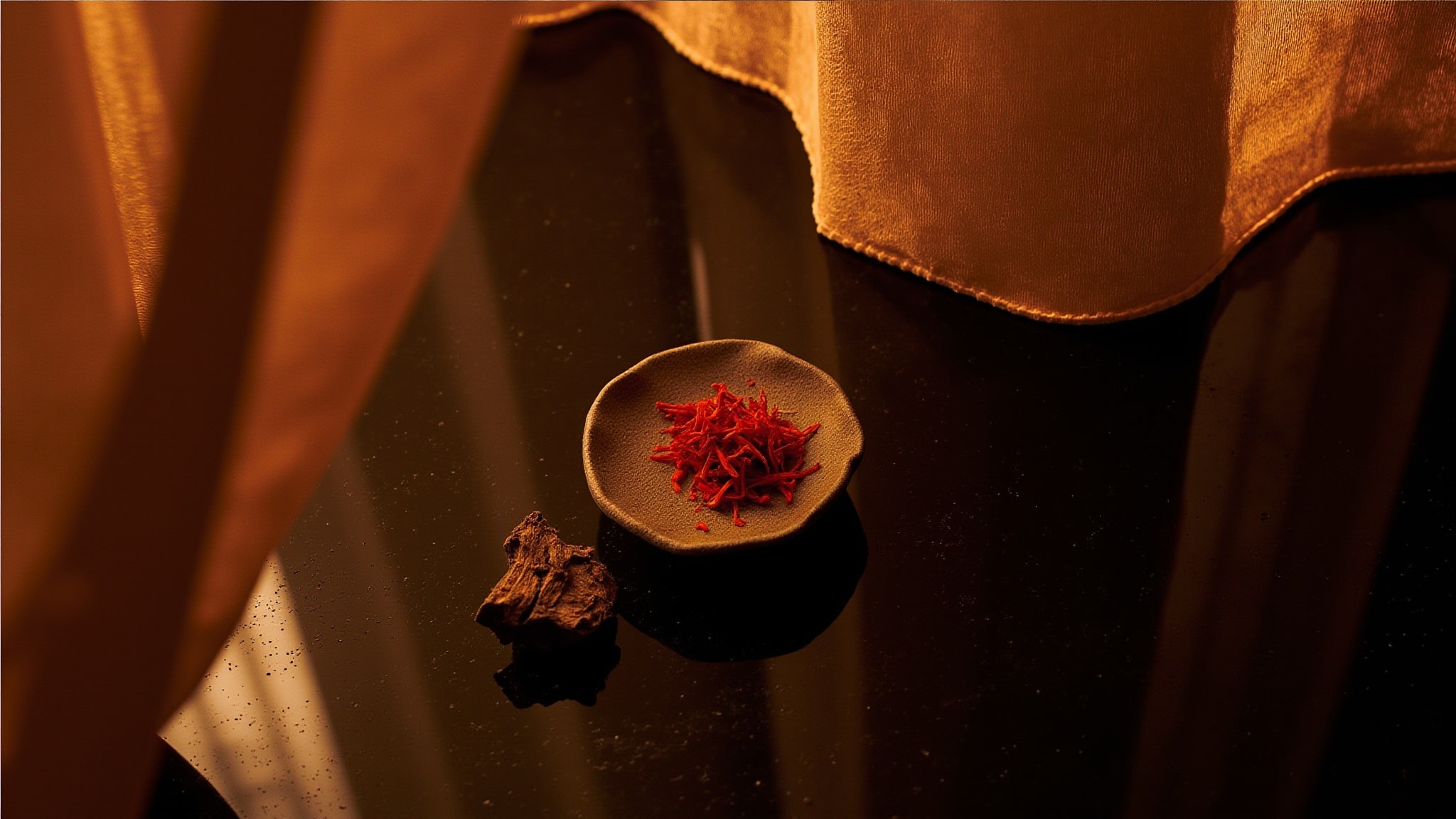
The real move here is the florals. Rose and night-blooming jasmine sitting above oud and incense could go heavy, but Monet threaded them differently, the jasmine especially adds a quiet luminosity that keeps the base from collapsing inward. Saffron at the top does what saffron always does: announces the room before sitting down. The whole structure reads as warmer than it smells, lots of presence, moderate projection, the kind of fragrance that stays in memory longer than it announces itself.
The evolution
The first twenty minutes belong to the saffron. It opens sharp, almost metallic, before the pink pepper softens the edges and bergamot adds a brief citrus lift. Then the rose arrives, not loud, but impossible to miss once it's there. The jasmine follows, and together they push against the base without overwhelming it. By hour two, the oud and amber have taken over. The incense holds everything together, keeping the drydown from going sweet. Six to eight hours later, on skin or fabric, there's still a trace, smoky, resinous, close. On a scarf the next morning, it smells like warmth without origin.
Cultural impact
Arabian Desert arrived in 2019 during a period when Western houses were leaning heavily into bold, statement oud compositions. Alfred Dunhill took a different approach, returning to the brand's roots of British restraint and understated refinement. The fragrance arrived alongside a broader cultural recalibration in fragrance, where a segment of enthusiasts began seeking sophistication over spectacle. Rather than chasing the oud-forward trend, Dunhill positioned Arabian Desert as a counterpoint, appealing to wearers who valued presence without announcement. The timing reflected a shift in how luxury was being redefined in scent: not through intensity alone, but through nuance and composition that rewarded close attention.