
The Story
Why it exists.
The beginning
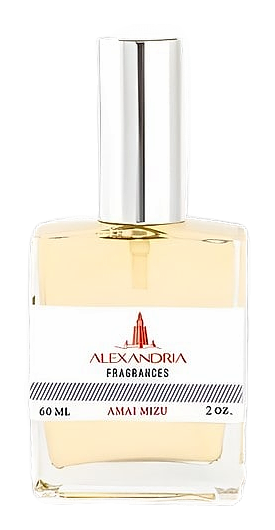
Amai Mizu means sweet water in Japanese. That phrase is the entire brief. Hany Hafez built this fragrance around a single idea: what if aquatic could bite back? The answer lives in the yuzu and bergamot that open the composition, a bright citrus punch that feels nothing like the generic 'fresh' fragrances crowding this category. Then Hafez added blue lotus and calone to capture something aquatic and almost medicinal, before anchoring it all in cedar and sandalwood that keep the sweetness honest. The result smells like the ocean at dawn, before anyone else has arrived.
The heart of this fragrance is the interplay between two materials that rarely share space: calone and blue lotus. Calone is the synthetic molecule responsible for that marine, almost watermelon-skin quality found in so many nineties aquatics. But Hafez paired it with blue lotus, an ingredient with a quietly bitter, slightly green character that prevents the composition from sliding into sweetness. The result is aquatic without being one-note. The tobacco and sage in the heart add an herbal complexity that reveals itself slowly, as if the water has moved inland and passed through a garden on the way.
The evolution
The opening announces itself quickly: yuzu and bergamot arrive together, sharp and cold, like ice cubes shattering in a glass. This citrus phase lasts maybe twenty minutes before the calone softens everything. The heart takes over with blue lotus and sage, and at this point the fragrance becomes quieter, more intimate. You're close to your own skin when you're wearing this. The drydown is where the cedar and sandalwood anchor everything, adding warmth that prevents the aquatic notes from feeling clinical. On fabric, this lasts well into the evening. On skin, plan for six to eight hours with moderate sillage. The morning after, there's a faint warmth left on the wrists.
Cultural impact
When Amai Mizu launched in 2019, the aquatic fragrance market was still dominated by heavier, moreassertive compositions that prioritized presence over subtlety. Alexandria Fragrances positioned this release as an antidote to that trend, offering a citrusy aquatic that functioned as a skin scent rather than a statement piece. The timing aligned with a broader cultural shift toward minimalism in fragrance, where consumers began seeking clean, inoffensive options for daily wear rather than projecting their presence into every room. Hany Hafez designed Amai Mizu to fill a gap between the aggressive aquatics of the 2010s and the emerging preference for restrained, versatile fragrances that work across settings without demanding attention.