The Story
Why it exists.
The beginning
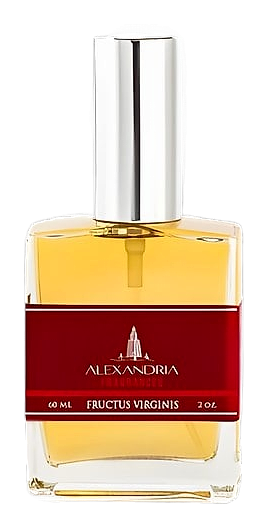
Fructus Virginis emerged from a single question Hany Hafez kept returning to: what does fruit smell like when it's been allowed to ripen past the point of innocence? The answer lived in the combination of dark cherry and bitter almond, a pairing as old as confectionery, as modern as the indie perfume boom. Hafez built Fructus Virginis in 2018 as an extrait, choosing the concentration deliberately. Extract formats hold more material, translate more faithfully, last longer on skin. The name itself, Latin for "virgin fruit", suggests something unripe, untouched. The fragrance itself is anything but. It's a study in contrast: sweet and sharp, dark and warm, accessible and complicated.
What makes Fructus Virginis work is the way its materials resist simple categorization. Cherry liqueur and bitter almond should clash, one is all bright sugar, the other is all bitter nut. Instead, they build something that feels unified from the first spray. The Turkish rose doesn't arrive as a floral rescue; it arrives as a dusty, velvety counterweight to the sweetness. Jasmine sambac adds a tropical edge that keeps the whole composition from reading as purely Western. Peru balsam in the base is unusual at this price point, it's a material usually reserved for higher-end compositions, lending warmth and resin without heaviness. The result is a fragrance that smells more expensive than it is.
The evolution
The opening of Fructus Virginis arrives immediately. Cherry liqueur dominates, bright and sweet, backed by the bitter edge of almonds that keeps everything grounded. There's an alcoholic warmth, not boozy, but present, like the faint vapor of an open bottle. The first thirty minutes are the most generous: projection is strong, the cherry reads almost like fresh fruit before settling into something darker. Within the hour, the cherry deepens. Griotte syrup takes over, the florals begin to emerge, and the overall impression shifts from "fresh" to "ripe." The heart is where the complexity lives. Cherry stays dark, almond stays bitter, but Turkish rose introduces a dusty, velvety quality that adds old-world elegance. Jasmine sambac brings a slight tropical sweetness that keeps the rose from reading as purely vintage. Liquor notes are present throughout, adding warmth without making the fragrance smell like straight alcohol. By hour three, the sweetness has tempered. The florals recede, and the base begins to announce itself: tonka bean, sandalwood, cedar, vetiver.
Cultural impact
Fructus Virginis occupies a specific position in the American indie fragrance landscape, not quite Arabian house, not quite traditional French, somewhere in between. It's the kind of scent that earns devoted followings not through marketing but through word of mouth. Wearers describe it as the find that makes them feel like they discovered something others haven't. The cherry-almond combination draws inevitable comparisons to Tom Ford's Lost Cherry, but theAlexandria version offers a darker, more resinous interpretation at a fraction of the price. The 8-10 hour longevity and moderate sillage make it a practical choice for those who want presence without overwhelming a room.