The Story
Why it exists.
The beginning
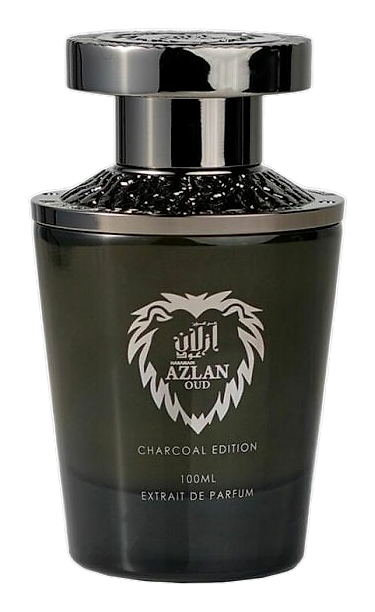
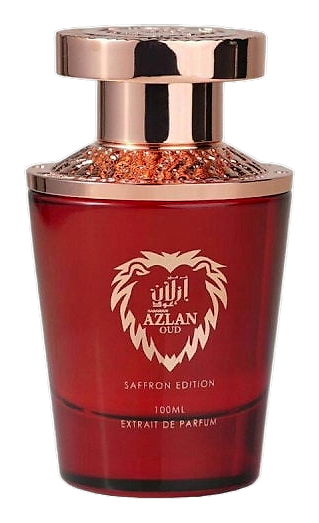
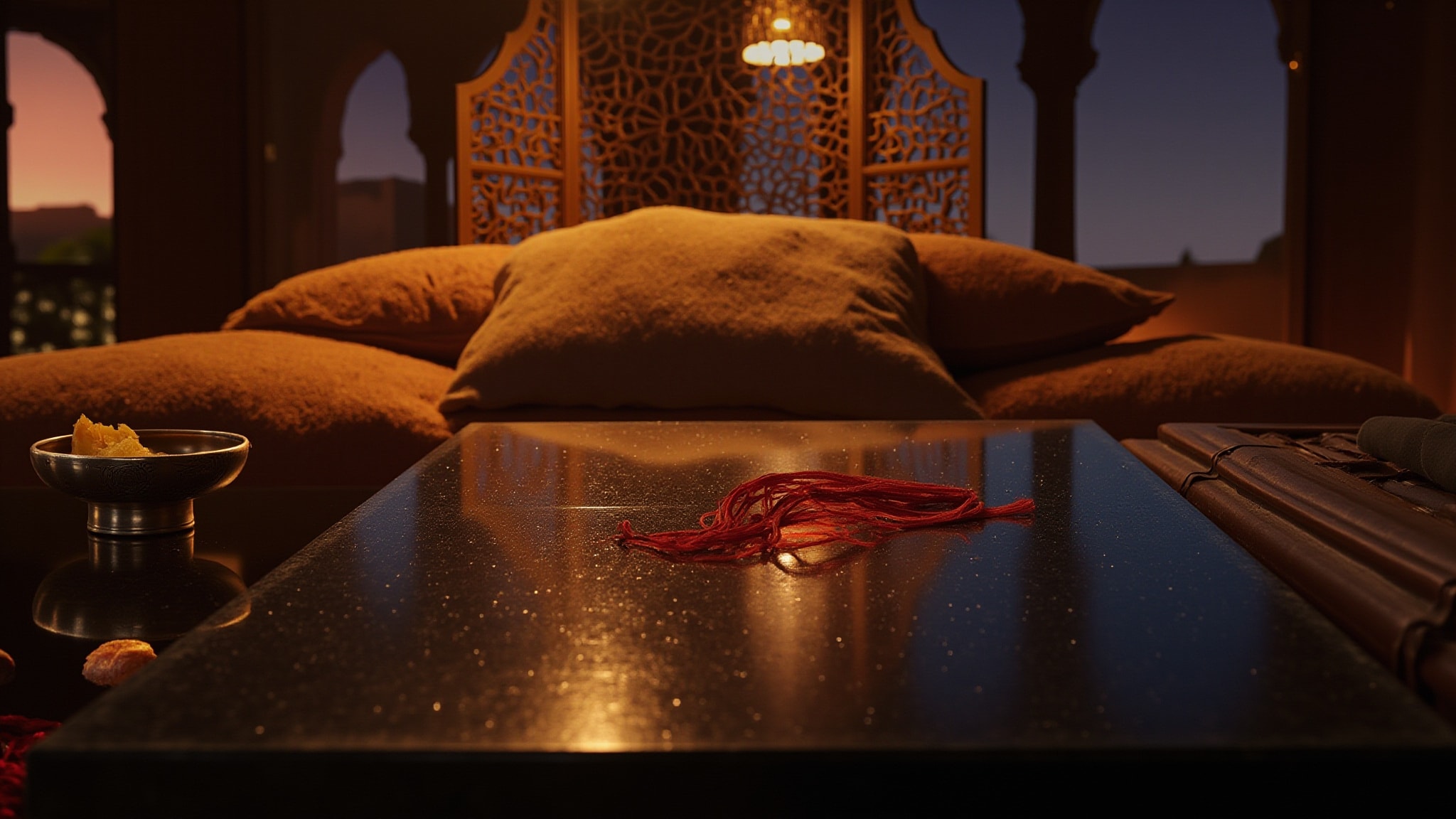
Azlan is the Arabic word for lion, a name that carries weight in Gulf culture, where oud and power are stitched together in ways the Western market is only beginning to understand. Al Haramain built this fragrance around that duality: the regal, the rich, the quietly commanding. The name arrives first, and the scent has to match it. The inspiration is dusk, that threshold hour between day and night when the air changes temperature and the light turns amber. Al Haramain's own copy frames it as a hidden courtyard at twilight, and the 2024 launch leans into that exact feeling: the world softening, something warmer taking over. The saffron-forward structure is unusual. In regional perfumery, saffron is often a supporting note, here it opens and announces itself, letting fig and violet complicate what could have been a straightforward oriental.
The choice of violet as a bridge note is the structural move worth examining. Violet is soft, even demure, but here it sits alongside saffron, one of perfumery's most assertive materials, and fig, which brings a slightly green, slightly sweet edge that rounds the metallic bite of the saffron. The combination shouldn't work as cleanly as it does. It reads more Western than most Al Haramain releases, less overtly oud-heavy in the opening, which suggests the brand was reaching for a wider audience without abandoning its base materials. The incense and amber in the heart are quieter than the top, but they deepen the warmth rather than switch it off.
The evolution
The first thirty minutes are where Azlan Oud Saffron makes its case. Saffron arrives dry and slightly medicinal, not harsh, but present, the way real saffron smells when you crush the threads between your fingers. The fig arrives almost immediately after, sweetening what could have gone bitter. Violet is the quietest of the three, more felt than smelled, but it stops the saffron from going too sharp. At the ninety-minute mark, the incense begins its slow rise. This isn't church smoke, it's Arabian incense, the kind that smells like resin and warmth rather than ash. Amber sits underneath it, golden and resinous, and together they push the violet and fig into a supporting role. The composition gets warmer without getting heavier. This is the heart that people come back for. Hours three through six belong to cedar and musk. The cedar is dry, slightly pencil-shaving in its realism, grounded by musk that stays close to skin rather than throwing.
Cultural impact
Al Haramain occupies a specific space in the global fragrance conversation, respected in the Middle East for authenticity, gaining traction in Western niche circles for value and boldness. Azlan Oud Saffron represents a bridge: it uses oud-adjacent materials (cedar, incense) rather than real oud, keeping the price accessible while delivering the warmth and depth that define the house style. The saffron-forward opening is a deliberate move toward international taste, a material with high recognition in Western luxury markets. It's not trying to convert oud lovers to something new; it's offering a version of the house's warmth in a language more people already speak.