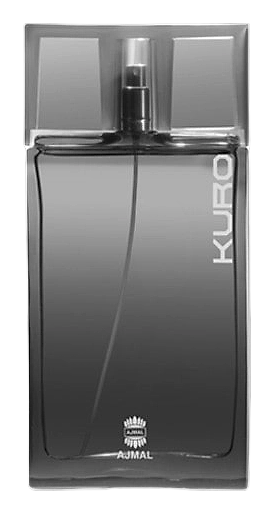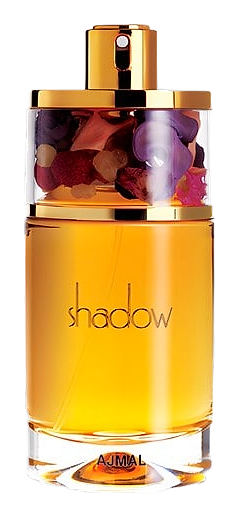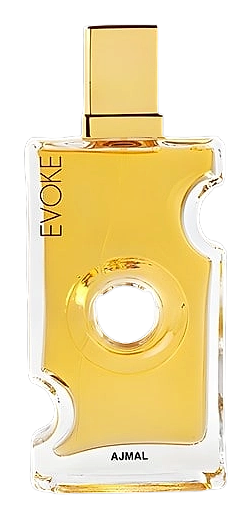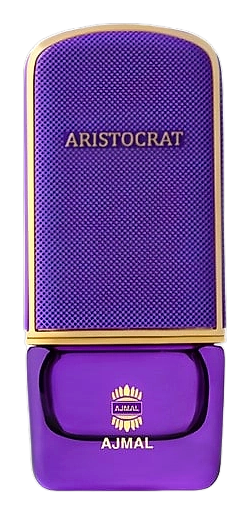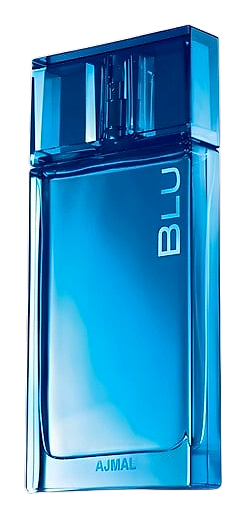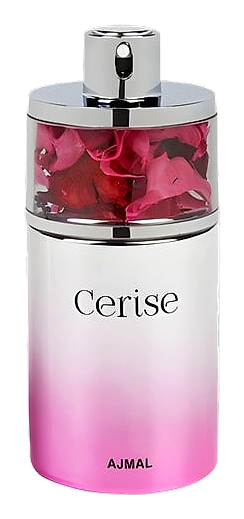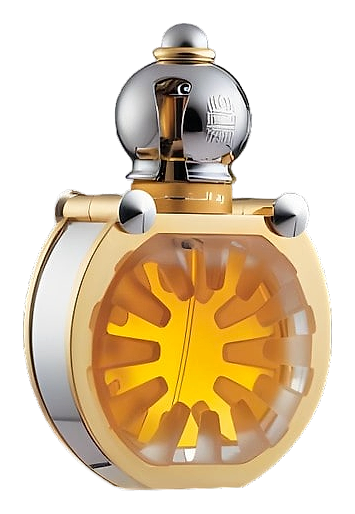
The Story
Why it exists.
The beginning
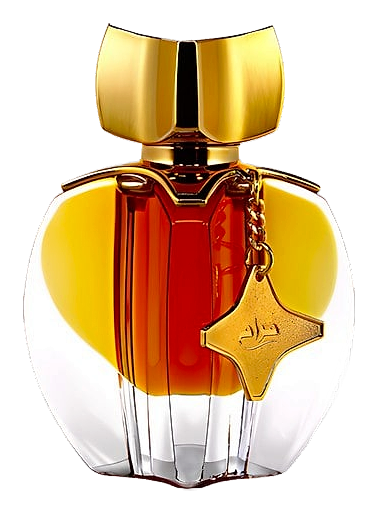
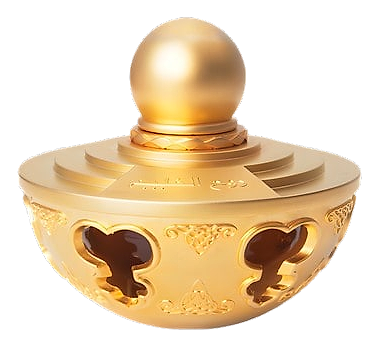
Rouh Al Khaleej captures something essential about the Gulf: the moment the desert meets the sea, when the air turns mineral and the heat softens into something almost cool. It's a portrait of the region's defining tension, land and water, harsh and forgiving, ancient and utterly alive. The fragrance captures what it means to call this part of the world home, translating that specific atmospheric shift into something you can wear. Every note in the composition echoes that meeting point, that liminal space where two completely different worlds find temporary balance.
What makes Rouh Al Khaleej work is its refusal to pick a side. The marine notes bring salt and clarity, while the ambergris and florals add body and warmth. Neither overpowers. The fruits in the base arrive quietly, softening the woods into something that settles close to the skin rather than announcing itself across a room. It's a composition that trusts the wearer to know what they want, and gives it to them without drama.
The evolution
The opening hits with sea water, mineral, clean, immediate. Think the first breath after jumping off a dock into warm Gulf water. The spices arrive quickly, a lift that keeps the marine from going flat. Within minutes, the florals take over, not a bouquet, more like blossoms catching a sea breeze, soft and present. The ambergris shows itself here, adding a waxy, animal warmth that keeps the florals grounded. As the composition develops, the fruits and woods emerge quietly, adding a subtle sweetness and dry depth that complement the earlier notes. The drydown stays close to the skin, intimate and present for hours without ever becoming heavy.
Cultural impact
Rouh Al Khaleej fills a specific space in the market, warm enough for the Gulf climate, aquatic enough to feel distinctly different from standard fresh-aquatic fragrances. It appeals to wearers who want depth without heaviness, and marine clarity without the typical clichés. The structure gives it a classic foundation, but the execution feels contemporary and fresh.
The House
AjmalFrom a farmer in Assam to a global fragrance house, Ajmal Perfumes has spent over seven decades mastering the art of Arabian perfumery. Founded in 1951 by Haji Ajmal Ali, the brand now operates from Dubai and serves customers across 60 countries, earning recognition for rare oud blends and refined oriental compositions.
The Creator
Nazir AjmalHis signature leaned toward the monumental: dense oud, warm amber, sandalwood in its deepest resonant forms, and the quiet power of attar traditions. Nazir Ajmal favored constructions that revealed themselves slowly, layering complexity through traditional methods rather than…