
The Story
Why it exists.
The beginning
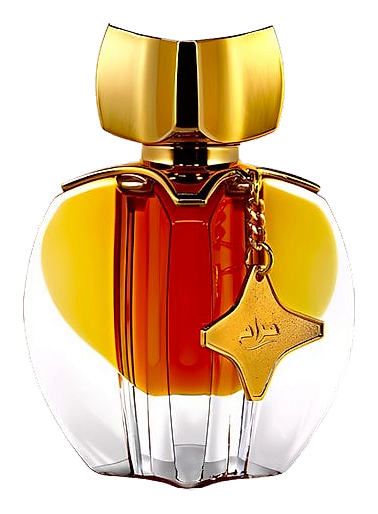
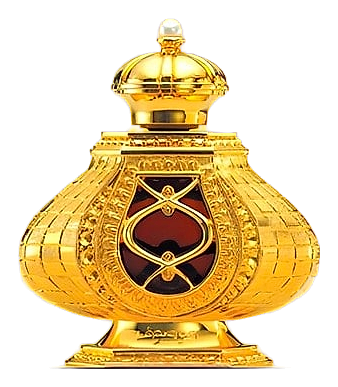
Mawsouf landed in 2007, part of Ajmal's deepening exploration of Oriental composition. The name itself, derived from the Arabic for powder or dust, tells you where this one lives. Not in the fireworks of a grand entrance, but in the quiet that follows. Ajmal built its name on oud mastery, but Mawsouf shows another side: the house that understands restraint can be just as powerful as depth.
What makes this composition interesting is how the powdery quality threads through the entire structure instead of arriving only at the drydown. The rose isn't a separate heart phase, it bleeds into everything, keeping the amber from going too sweet and the oud from tipping into something aggressive. Vanilla acts as the connector, soft and creamy, pulling the dark notes toward warmth rather than shadow. It's oud made approachable without losing its character.
The evolution
The opening hits warm, amber spreading across the skin like something spilled in afternoon light. Not resinous at first, just sweet and present. Then the oud walks in. Quietly, not with a bang. It doesn't compete with the amber, it deepens it. By the first hour, you notice the rose. Powdery, soft, the kind of rose that doesn't announce itself, it just makes the oud less stern. The vanilla comes next, adding a creaminess that smooths everything into something worn and comfortable. By hour two, Mawsouf has settled into its drydown. Amber and vanilla now, with the oud reduced to a warmth beneath the surface. The powdery quality becomes more pronounced, close to skin, intimate, the kind of scent someone notices only when they're already beside you. Lasts four to six hours depending on skin, never loud, always present.
Cultural impact
Mawsouf arrived during the mid-2000s push of Arabian houses into global markets. Its Oriental-powdery character, oud wrapped in rose and vanilla, worn close rather than broadcast, positioned it as approachable sophistication. The house's signature oud-forward identity, tempered by powder and warmth, speaks to Ajmal's broader philosophy: depth that invites rather than demands.