
The Story
Why it exists.
The beginning
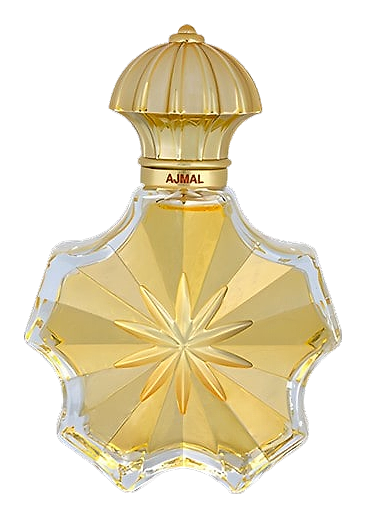
Haem appears in the Ajmal collection as something subtler. An oriental floral that asks you to lean in rather than lean back. It speaks to the wearer who has grown into their skin and no longer needs to prove anything. The scent offers a different register, a quiet confidence that rewards attention without demanding it. There is warmth here, a softness that unfolds gradually, revealing layers as time passes. It feels intimate rather than announced, the kind of fragrance that leaves an impression on those who get close enough to notice.
What makes Haem work is its restraint. The citruses don't shout, they introduce. The floral heart isn't a bouquet; it's a single bloom held at chest height. The amber base wraps around without overwhelming, and the musk keeps everything grounded in something skin-close. The powdery finish isn't grandma's powder, it's the warmth of skin after a long day, soft and intimate. This is composition as conversation, not declaration.
The evolution
The opening hits crisp. Orange or lemon, bright, clean, uncomplicated. Within minutes the citrus pulls back and the floral heart emerges, softer than expected. The amber doesn't overpower; it cushions. The transition isn't dramatic, it's the moment someone steps from a crowded room into a quieter corridor. As the hours pass, the woody musk base takes over gradually. The sillage becomes moderate, settling close to the skin. It becomes something only the wearer notices, a warmth against the wrist. The drydown arrives softly, fading gently rather than disappearing.
Cultural impact
Haem offers an approachable take on the oriental-floral genre. The structure gives it enough character to feel distinctive without overwhelming. It's the kind of scent that works well for daily wear, offering warmth and complexity without demanding attention. The fragrance provides a softer expression within the collection, inviting those who appreciate nuanced compositions to explore further.