The Story
Why it exists.
The beginning
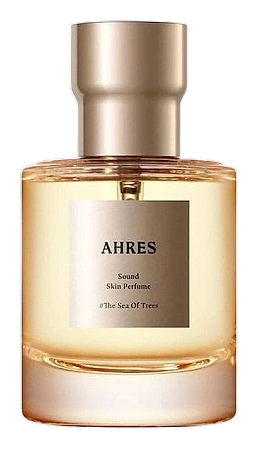
The Sea Of Trees originated in 2012 as part of AHRES's Sound Skin collection, predating the brand's official founding by a decade. While the house now channels Japanese minimalist sensibilities into its identity, this early work already treated fragrance as a daily practice rather than a statement. The perfumers within the house focused on creating something that could accompany routine, occupying space without demanding attention. Bergamot and orange anchored the opening in accessible brightness, serving as a gentle invitation to engage with the scent each morning.
The Sea Of Trees reflects a philosophy that fragrance should serve daily rituals rather than overshadow them. Notes were selected for their ability to coexist with ordinary moments: citrus for morning clarity, sage and geranium for midday composure, and woody base notes for evening calm. The result is a scent that integrates into life rather than announcing itself within it. Pairing it with simple routines, morning coffee or evening reading, amplifies its role as a supportive background presence.
The evolution
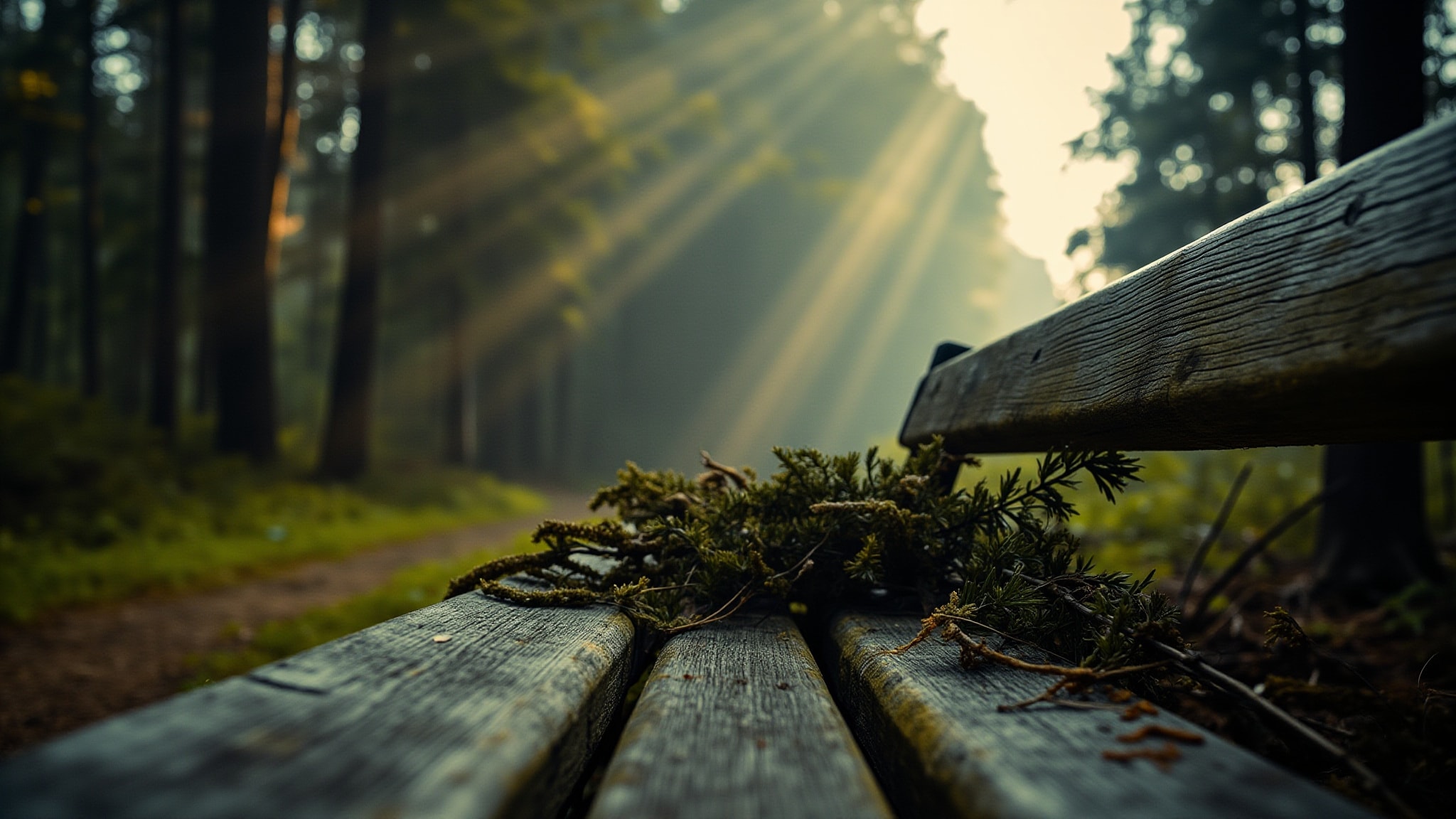
The opening citrus brightens the initial application before black pepper introduces a subtle warmth that prevents the composition from feeling too delicate. As clary sage and geranium take over, the scent shifts toward a green, contemplative register that feels neither masculine nor feminine. The drydown extends this calm, with cypress and vetiver providing an aromatic, slightly earthy character while sandalwood softens the edges. The progression moves from external brightness to internal stillness, reflecting the quietude of a forest after rain.
Cultural impact
Since its 2012 debut, The Sea Of Trees has quietly woven itself into the fabric of modern minimalist fragrance culture. Its bright bergamot and peppery edge resonated with a generation seeking understated elegance, influencing boutique houses to explore citrus‑spice pairings without overwhelming sweetness. The scent’s balanced profile has been cited in numerous style blogs as a go‑to for spring wardrobes, reinforcing a trend toward gender‑neutral aromas that complement both casual and professional settings. Over the years, it has become a subtle reference point for designers aiming to capture the serene yet invigorating atmosphere of early morning forests, cementing its role as a quiet cultural touchstone in contemporary perfumery.