The Story
Why it exists.
The beginning
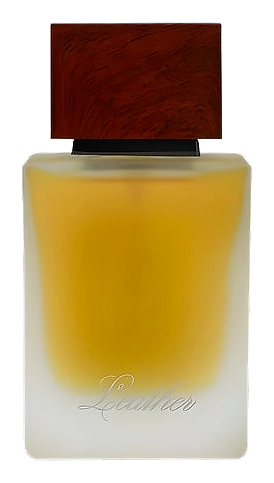
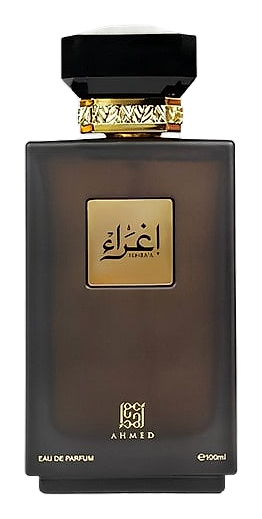
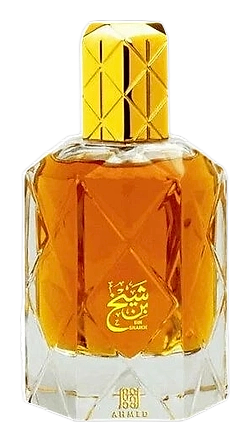
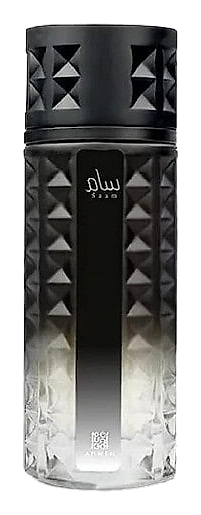
Saam landed in 2019, a composition by Marie Huguenot whose work often tilts toward the florals-and-textures corner of the craft. The brief seems obvious in hindsight. Take rose, one of the oldest materials in Arabian perfumery, and refuse to let it behave. Pair it with cranberry for an unexpected tartness, lay it over amber, then close everything in leather. Huguenot's handling of these materials signals clear intent. The opening and the deeper layers share the same architectural choices. The difference is how the materials settle once they hit warmth. It's a technique that rewards patience, and it reads as deliberate, not accidental. The first impression is cranberry, sharp and almost candied, bright enough to cut through anything around it.
What makes Saam structurally unusual is how its materials are arranged across the listed note pyramid. The composition lists cranberry and rose in the top tier, then transitions through leather in the heart, before settling into amber and musk in the base. The listed accords tell the rest: animalic and smoky, powdery and fruity, all at once. That's a difficult balance to maintain without one element flattening the others. The interplay between the fruit and the floral at the opening creates an immediate tension. Cranberry brings brightness and acidity, while rose brings weight and texture.
The evolution
The first 20 minutes are where Saam makes its argument. Cranberry hits first, bright and almost candied, then the rose rolls in underneath, dewy and a little sharp. There's a dusty edge, powder rising before the fruit fully settles. It reads almost feminine at this stage, and anyone expecting a heavier Arabic profile will hesitate. Give it 40 minutes. The leather arrives, and it doesn't creep. It lands. The rose darkens with it, losing the dewy quality and turning warmer, almost jammy. The amber underneath builds slowly, less sticky-sweet than warm-stone, and the musk starts pulling everything into the skin. This is the heart of the fragrance, and it's where the personality lock clicks. The animalic accord referenced in the breakdown becomes noticeable here, not fecal, not aggressive, just unmistakably alive, like skin warmed by another body. By the two-hour mark, the cranberry is gone.
Cultural impact
Saam occupies a distinctive place in the Ahmed Al Maghribi catalog, a composition built on rose, cranberry, amber, and leather rather than leaning on the heavier materials often associated with Arabian perfumery. The rose-and-leather pairing gives it a character that's immediately recognizable without falling into familiar territory. That combination of materials makes it a composition that bridges categories, appealing to wearers who appreciate Middle Eastern perfumery but want something with a different weight and texture.
The House
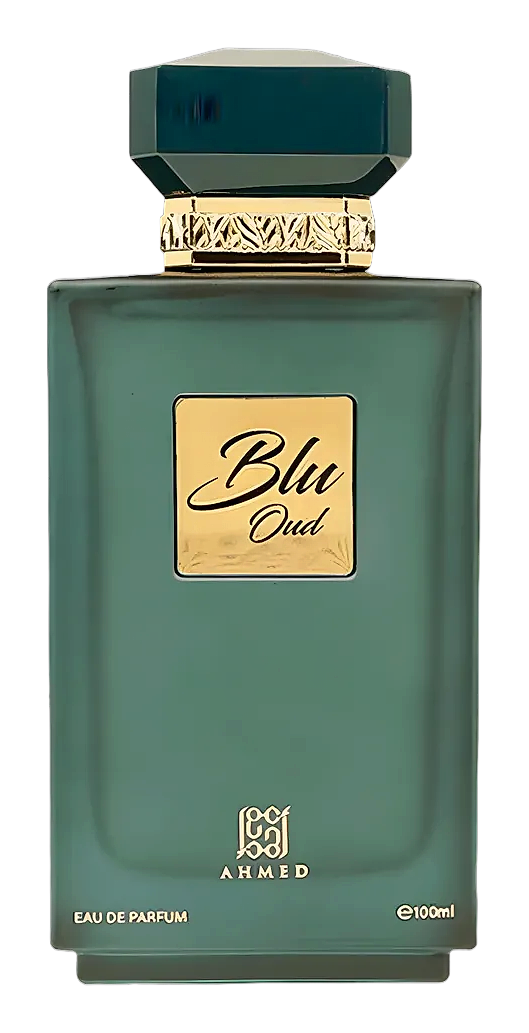
Ahmed Al MaghribiAhmed Al Maghribi is a UAE-based Arabic fragrance house founded by Kafeel Ahmed in 2000 in Dubai. The brand grew from a single retail outlet into a regional force with over 190 stores across the GCC. It produces concentrated perfume oils (attars), EDPs, and scented oils for men and women, with a focus on oud-forward oriental compositions rooted in traditional Arabian perfumery. The brand maintains a manufacturing base in Ajman and serves international markets including India, the UK, Europe, and North America. Its catalog spans 89 perfumes, including notable releases like Pearl Oud (2020), Hayana (2020), Blu Oud (2024), and Dehn Al Oud Qadeem (2024).
The Creator
Marie HuguenotHuguenot's style centers on natural materials and the particular richness of Provençal ingredients. Her connection to mimosa runs through her work at Robertet, where she has explored the flower in multiple contexts, finding new angles in its powdery sweetness and green underto…