Marie Huguenot
Marie Huguenot trained at ISIPCA in Paris before building her career across some of the industry's most respected houses. She began at L'Oréal, where she honed her skills in commercial fragrance development, then moved to IFF in 2012 as a junior perfumer. Her trajectory took her to Charabot, the Grasse-based house now operating within the Robertet group, where she has spent the past decade composing fragrances as part of one of France's oldest and most respected in-house teams. With over fifteen years in the profession, Huguenot has developed a reputation for work grounded in classical training but responsive to contemporary taste. Her deep familiarity with natural raw materials, particularly the sunny, honeyed character of mimosa from the Grasse region, has become something of a signature. She approaches each brief with the patience of someone who understands that a fragrance's finest qualities often reveal themselves slowly.
The hits
Notable creations
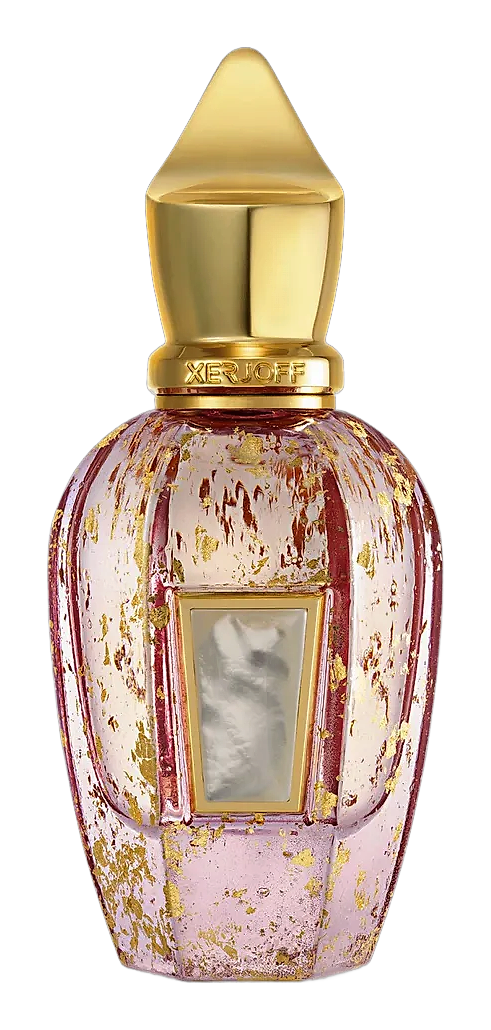
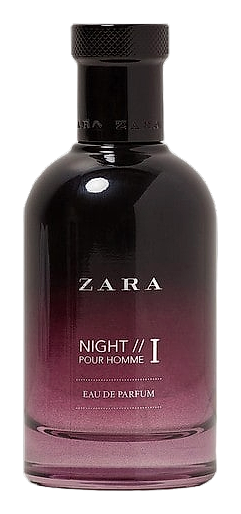
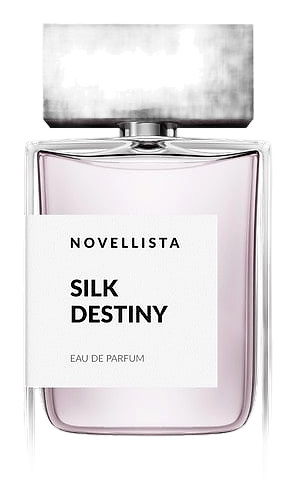
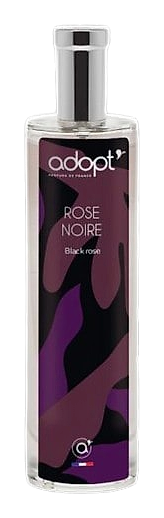
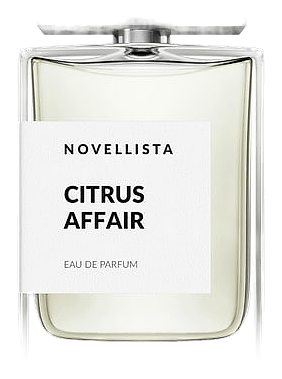
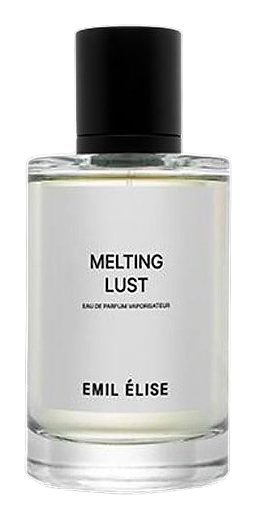
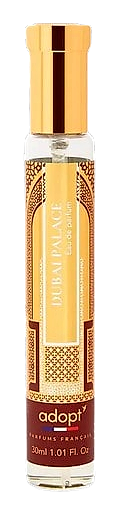
The signature
How Marie composes
Huguenot's style centers on natural materials and the particular richness of Provençal ingredients. Her connection to mimosa runs through her work at Robertet, where she has explored the flower in multiple contexts, finding new angles in its powdery sweetness and green undertones. She favors warm, ambery bases and the textural depth that comes from using whole ingredients rather than isolated molecules. Her compositions often unfold gradually, rewarding attention rather than striking immediately. She brings the Grasse tradition of material expertise into contemporary practice, choosing restraint over spectacle.
Philosophy
What drives Marie
Huguenot draws on daily rituals and sensory memory as creative fuel. She has spoken about finding emotional resonance in specific ingredients, treating fragrance as a vehicle for feeling rather than mere fashion. For her, the composition process begins not at a perfumer's organ but in observing the world around her, noting how certain scents carry specific moods and associations. Her work reflects a desire to create perfumes that feel lived-in rather than laboratory-clean—fragrances that ask the wearer to pause rather than announce themselves. She favors materials with history, ingredients with cultural weight, and she resists the pressure to chase trends. The result is a body of work that tends toward depth and warmth over novelty.
The houses