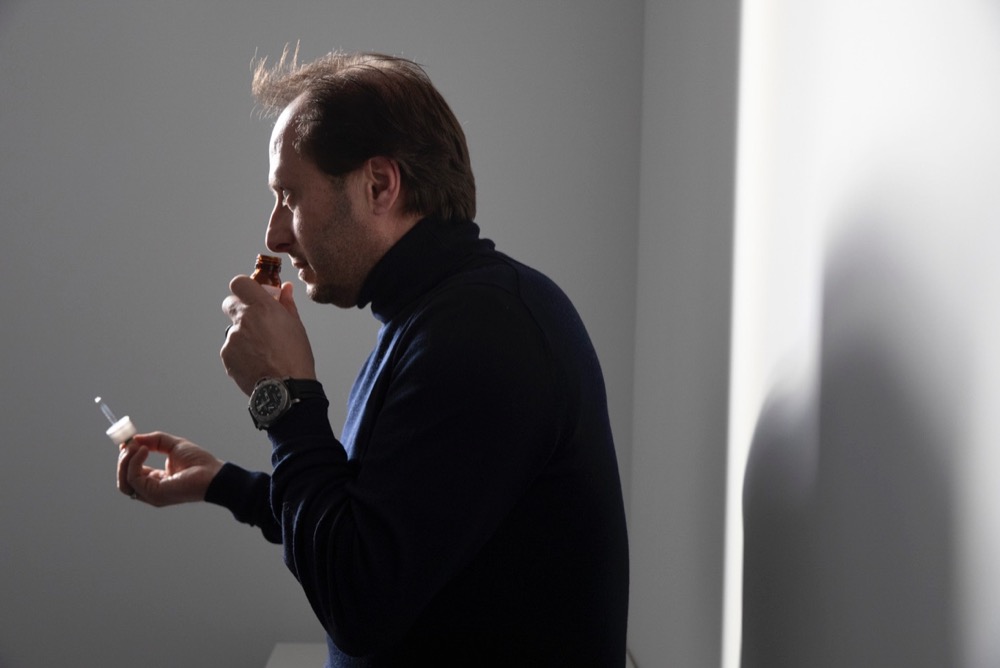
Philippe Hardel
Philippe Hardel grew up in the quiet suburbs of Lille, where the scent of fresh rain on cobblestones sparked his curiosity. After earning a degree in chemistry at the University of Paris, he entered the perfumery apprenticeship program at a historic French house. There he learned the language of raw materials from masters who still weighed ambergris by hand. By 2005 he earned his first author credit on a niche launch for Adopt Parfums, a crisp floral‑citrus that critics praised for its clean finish. Over the next decade he added a dozen more signatures, each bearing his precise balance of brightness and depth. Colleagues describe him as a meticulous craftsman who treats every accord as a conversation between ingredients. Today he mentors young noses while continuing to sketch new compositions in his modest studio overlooking the Seine.
The hits
Notable creations
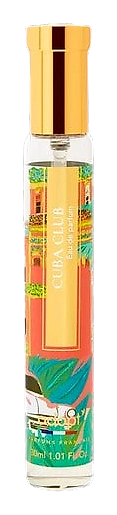
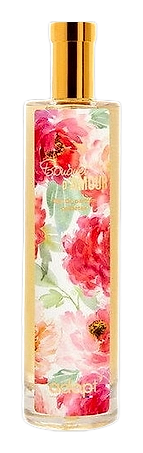
The signature
How Philippe composes
Hardel favors a transparent structure, often building a bright opening with citrus or green notes before introducing a heart of white florals or soft spices. He lets the base emerge slowly, preferring woods, musk, and subtle resins that linger without overwhelming. Synthetic amber and iso e super appear frequently in his work, not as shortcuts but as tools that extend the life of natural ingredients. He avoids heavy patchouli or cloying sweetness, opting instead for balance that lets each component breathe. In the studio he works by hand, measuring drops on a glass plate, then stepping back to assess the evolution over hours. This tactile approach keeps his creations grounded and instantly recognizable.
Philosophy
What drives Philippe
Hardel believes a perfume should read like a short story, each note delivering a line that leads naturally to the next. He starts every brief by asking what memory or feeling the client wants to capture, then translates that emotion into a palette of raw materials. He respects tradition but refuses to hide behind nostalgia; instead he extracts the essence of classic ingredients and reinterprets them with modern synthetics. For him the laboratory is a workshop, not a lab, and the act of blending feels like editing a manuscript. He credits the discipline of chemistry for giving him a solid framework, while his love of literature supplies the narrative drive.
The houses
Maisons Philippe composes for
In the same league