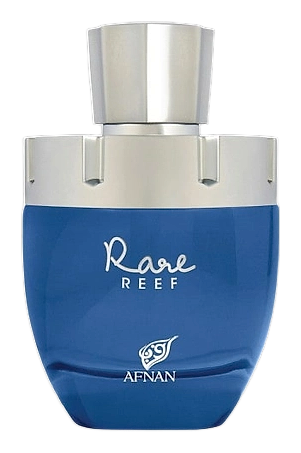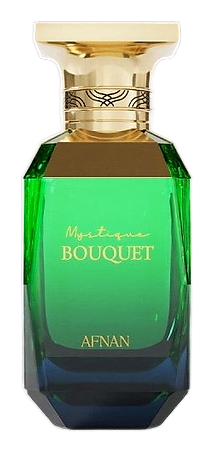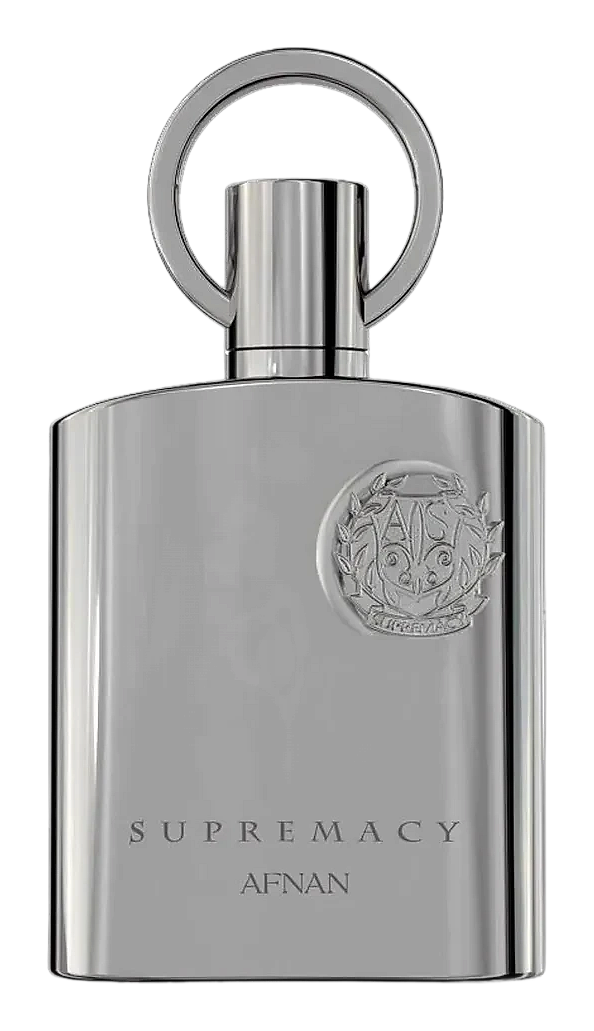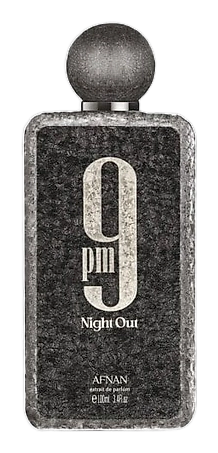

The Story
Why it exists.
The beginning
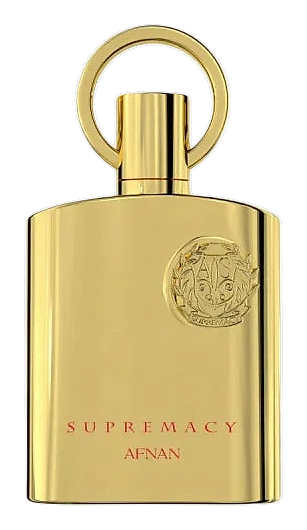
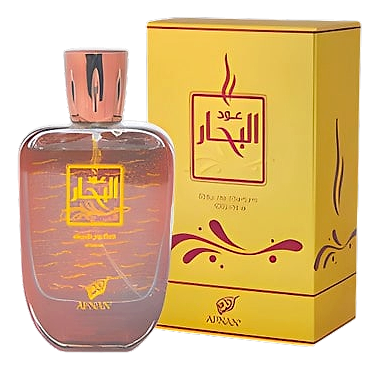
Oudh al Bahar translates roughly to oud of the sea, though the bottle tells a different story than the name suggests. There's no oud in the composition, no marine shimmer, no salt. What there is: a dense, gourmand-spice oriental that pulls from the warmer end of the Middle Eastern tradition. The fragrance comes from Afnan, a house rooted in the UAE's perfumery scene, and Oudh al Bahar fits the house's approach to layered, sweetness-driven compositions. It's a study in cinnamon, honey, and amber, layered without pretense, weighted by sandalwood and vanilla, finished with the kind of clove and nutmeg warmth that makes winter smell like something you'd bottle on purpose.
What makes this work is the structural honesty. Vanilla, amber, honey, sandalwood, and cinnamon carry the weight, while cloves and cedar do less work, but they exist in the composition for a reason. Together they create a gourmand-warm spicy accord. The honey isn't floral or candied. It's thick, resinous, almost treacle-like, and it binds the spices together so nothing reads sharp. Cedar and sandalwood provide the woody skeleton, quiet enough to let the sweetness lead. The balance is deliberate: the spices never overwhelm the sweetness, and the sweetness never drowns the spices.
The evolution
The first thirty minutes are loud. Cinnamon hits first, almost sharp, then honey folds in underneath, sticky and golden, and the clove warmth fills the gaps. It reads almost like a spiced pastry, warm and immediate, the kind of opening that announces itself before you've left the house. The projection in this opening phase is generous, the kind of scent that fills a room when you walk in, and the sillage leaves a soft trail of honeyed spice behind you. After about an hour, the spice softens. The cinnamon loses its edge and rounds into something sweeter. Vanilla arrives, not as a separate note but as a texture, smoothing the rough edges of the clove and nutmeg. The sandalwood starts to register around the two-hour mark, giving the composition a woody backbone it didn't have at the start. By hour four, it's an amber-and-vanilla story.
Cultural impact
Oudh al Bahar sits in a category of Middle Eastern gourmand-orientals beloved by collectors who want depth without the oud commitment. The fragrance leans into honey, amber, and cinnamon as its core, threading sweetness and spice through a warm, resinous base that feels distinctly rooted in regional perfumery traditions. Wearers tend to be people who already know what they want: warmth, longevity, sweetness that doesn't apologize. It's a cold-weather staple, the kind of scent someone wears when the temperature drops and the idea of something heavier, richer, and more enveloping makes sense.