The Story
Why it exists.
The beginning
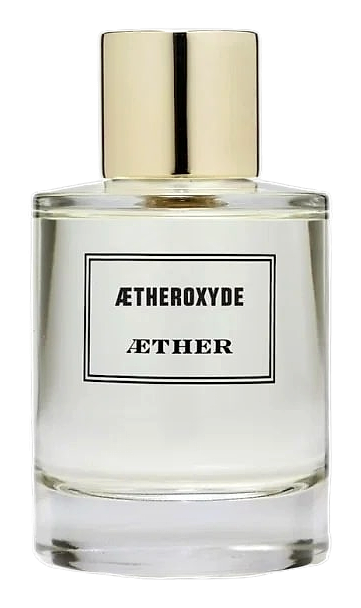
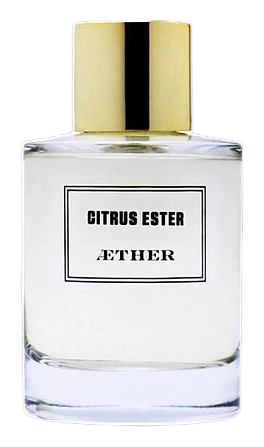
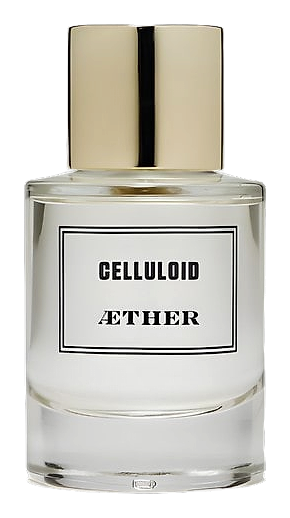
Amélie Bourgeois built Celluloid around a molecule, Iso E Super, that roughly half the population cannot detect at all. This is not a flaw. For Aether, the Paris house founded in 2016 to celebrate synthetic chemistry, this selective perception is the point. Celluloid takes its name from the first flexible film stock: an early plastic, warm and slightly amber, that revolutionized cinema before being replaced by safer materials. The name is a statement. Bourgeois wasn't reaching for a flower field or a Mediterranean coast. She reached for celluloid, the original synthetic, the original cinematic material, something with history and a faint amber warmth. The choice of notes reinforces the concept: rum and cherry open the film reel, violet and iris run through the middle like a score, and Iso E Super arrives in the credits, doing what it does best, woody, close, lasting.
What makes Celluloid structurally interesting is the tension between its opening and its base. Rum and cherry are warm, sweet, almost syrupy, the kind of top notes that announce themselves loudly. Violet, orris, and iris are their opposite: powdery, cool, restrained. Cashmeran bridges the two, synthetic but soft, woody but velvety. The result is a fragrance that smells warm in the opening and cool in the drydown, sweet then powdery then woody. The most discussed aspect of Iso E Super in Celluloid is its invisibility: some wearers report that it registers as almost nothing, a faint warmth on skin; others find it deeply present, almost creamy. This is not marketing copy. It's genetics. The molecule is the same.
The evolution
Celluloid opens on rum-soaked cherry, sweet, warm, with a faintly medicinal edge that some describe as amaretto on old film. The cherry fades within the first hour, replaced by violet and iris, which turn the sweetness powdery. The orris root adds a quiet earthiness, a root vegetable undertone that keeps the florals grounded. By hour three, Iso E Super takes over. It doesn't announce itself. It settles into the composition like warmth into a chair, present, comfortable, inescapable if you can smell it. The cashmeran amplifies the velvety quality without adding sweetness. On fabric, this lingers into the next day. On skin, expect 8-10 hours with moderate sillage, intimate rather than filling the room. The final drydown is skin-warm woody: cedar-adjacent without the sharpness, warm without weight. What lingers is the memory of powder, then wood.
Cultural impact
Celluloid sits in a peculiar position: warm enough for everyday wear, synthetic enough to feel modern. It has a small devoted following among fans of Iso E Super compositions and a smaller group who find it indistinguishable from skin. The conversation around it mirrors broader debates in niche perfumery about selective anosmia, molecular transparency, and whether a fragrance you can't always smell is still working. No press coverage or awards to speak of. The fragrance appears to have been discontinued.