The Story
Why it exists.
The beginning
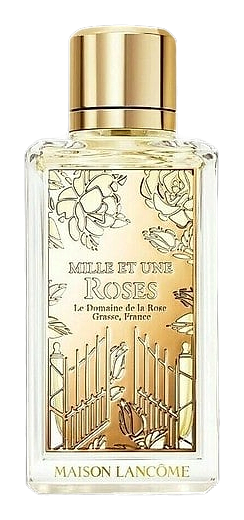
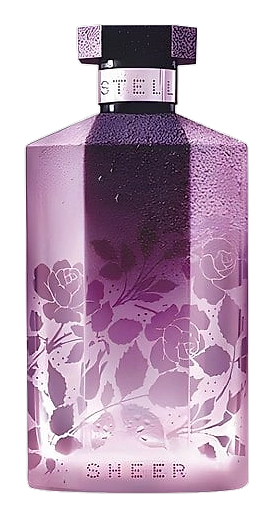
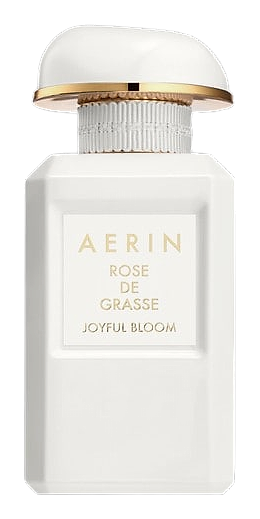
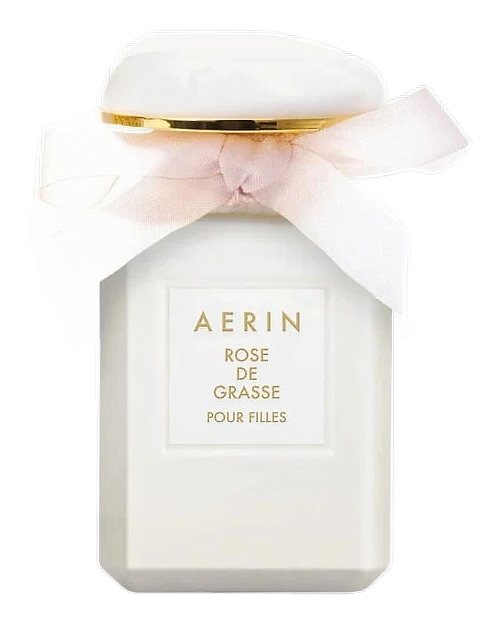
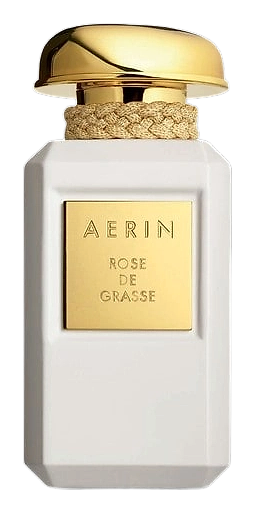
Rose de Grasse arrived in 2015. The name is Grasse, the French town that has been central to artisanal perfumery for more than six centuries, where rose cultivation has long been a defining practice. Olivier Cresp built the heart around a rose fusion: Rose Centifolia from fields of the South of France, and Bulgarian Rose Otto, two rose materials with different textures, one opulent and full, the other velvety and precise. The composition draws from a palette where rose functions as a foundational note, layered with complementary elements that create depth and complexity. The overall effect is one of richness and nuance, where the rose doesn't simply provide sweetness but contributes structure and dimension to the fragrance.
What separates Rose de Grasse from other rose compositions is the ambrette. Ambrette seeds come from the musk mallow plant and carry a warm, almost nutty quality that reads as skin, not animalic, but alive. Here it does something unusual: it keeps the rose from ever becoming precious. The aquatic note in the opening reinforces this, water adds space, keeps the petals from cloying. The result is a rose that feels modern not through synthetic notes but through structure. It doesn't perform femininity. It implies it.
The evolution
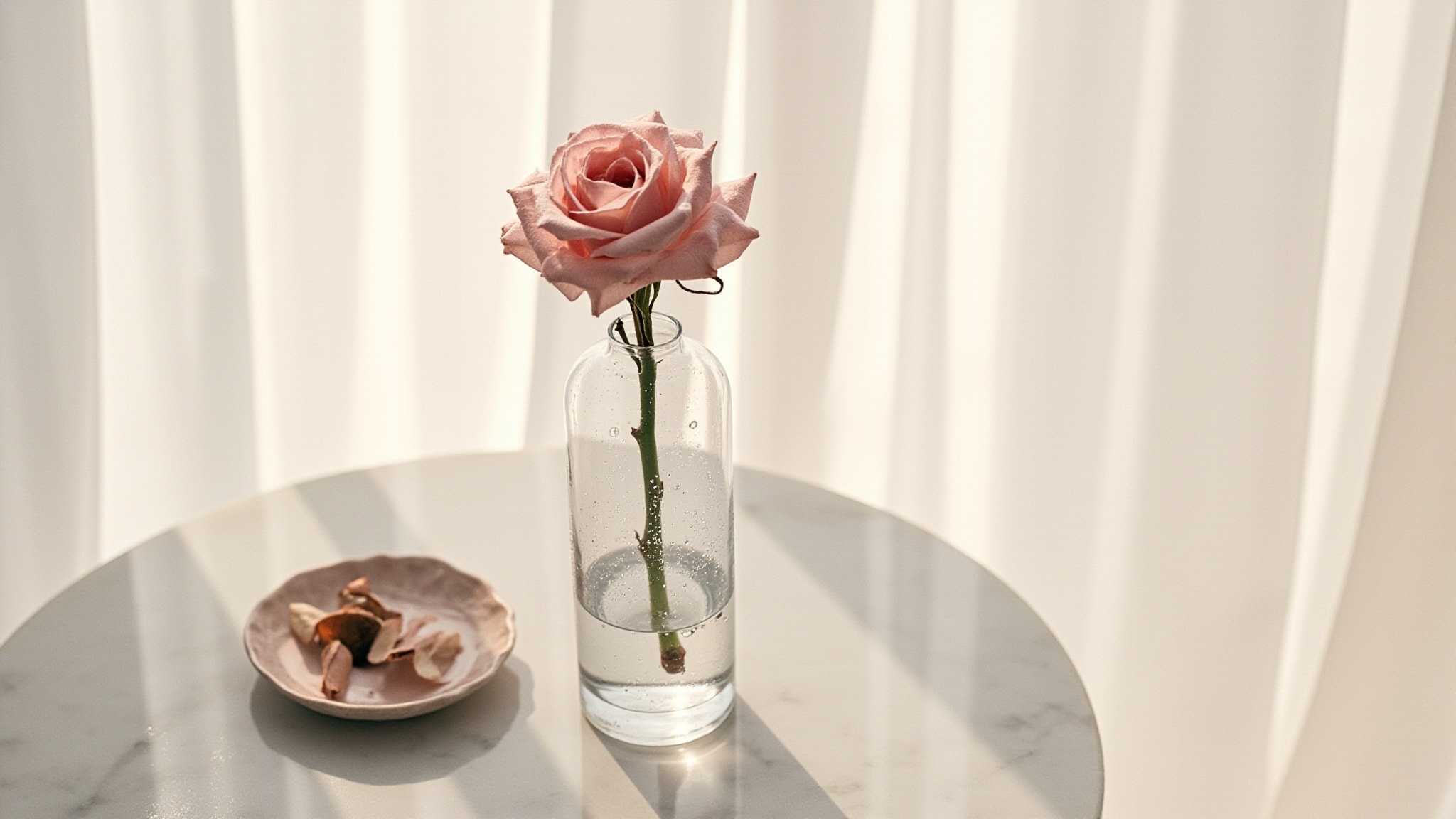
The first hour is cool and clean, aquatic freshness over ambrette's quiet warmth, the rose held back just slightly. By the second hour the Bulgarian rose absolute arrives and the composition softens, petals opening into a powdery, lush middle that feels like sunlight through thin curtains. The drydown belongs entirely to the ambrette and musk. The fragrance wears close and intimate, not projecting loudly into a room but settling into the space immediately around you like a quiet companion. There is a sense of refinement in how the scent develops, moving from crisp green top notes into a richer, more intimate rose heart where ambrette provides a soft, powdery warmth that supports the floral center. The overall blend maintains an elegant restraint throughout its development, prioritizing depth and intimacy over broad projection.
Cultural impact
Rose de Grasse carries the weight of Grasse's legacy as the world capital of rose cultivation and perfumery. The town in southern France has long set the standard for rose materials, supplying the flowers that became the foundation of French fragrance. Naming a fragrance after Grasse references this heritage and the qualities that distinguish roses from this region. The launch arrived during a period when niche perfumery was rediscovering heritage ingredients, using rose as a structural rather than decorative element.